Glossary
LOLER stands for the Lifting Operations and Lifting Equipment Regulations 1998, which place legal duties on businesses and individuals who own or operate lifting equipment. A LOLER inspection is a thorough examination of that equipment by a competent person, as defined by the UK's Health and Safety Executive (HSE), to confirm it is safe to use.
What is a LOLER inspection?
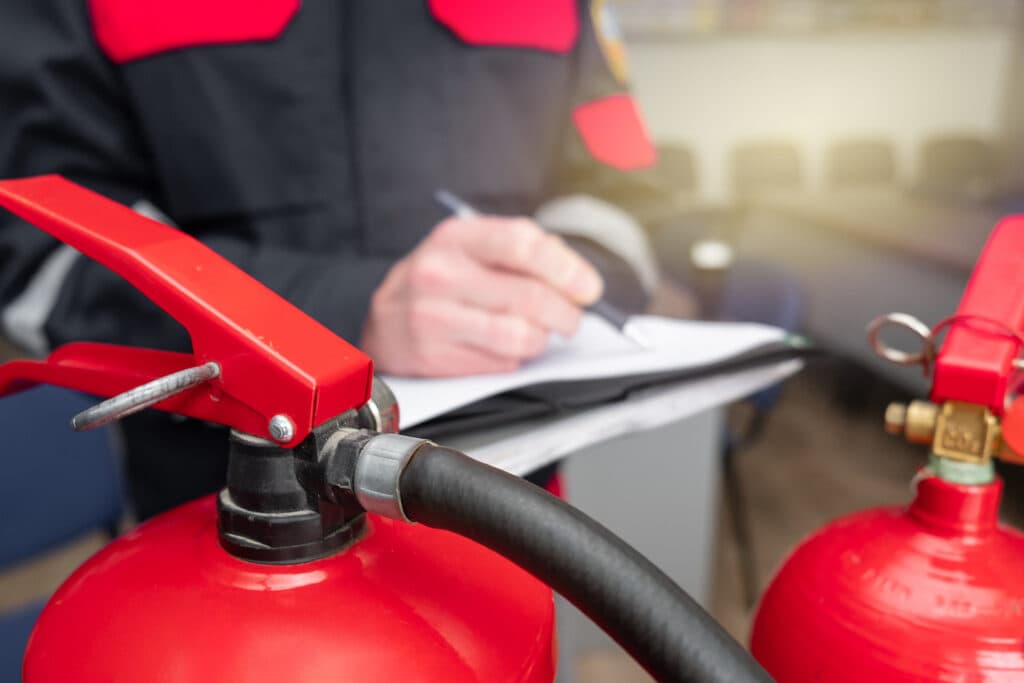
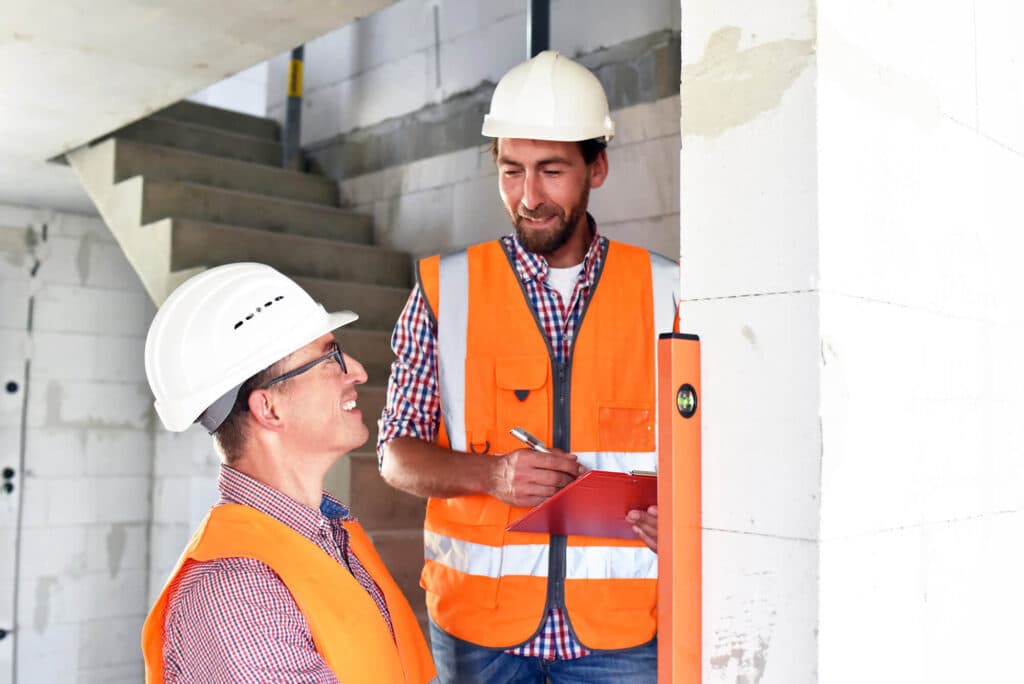
During a LOLER inspection, a competent person thoroughly examines equipment used for lifting. It works much like an MOT for a vehicle: just as it's illegal to drive without a valid MOT, it's illegal to operate lifting equipment without an up-to-date LOLER inspection certificate. The inspection confirms the equipment is suitable for the task, fit for use, correctly marked, and subject to regular thorough examinations. A record of every inspection must be kept, and any faults must be reported to those responsible for the equipment and, where required, the relevant authorities.
Because lifting equipment is also work equipment, the Provision and Use of Work Equipment Regulations (PUWER) apply alongside LOLER, covering its safe provision, use, maintenance and inspection.
The background to LOLER
LOLER came into law in 1998, replacing the 1961 Construction (Lifting Operations) legislation. The older rules required overload tests at four-year intervals — but those tests could themselves damage certain lifting machinery. LOLER's regime of thorough annual and six-monthly examinations is less rigorous on the equipment, can be carried out more frequently, and better ensures ongoing safe performance without shortening machine life.
Which equipment and operations does LOLER cover?
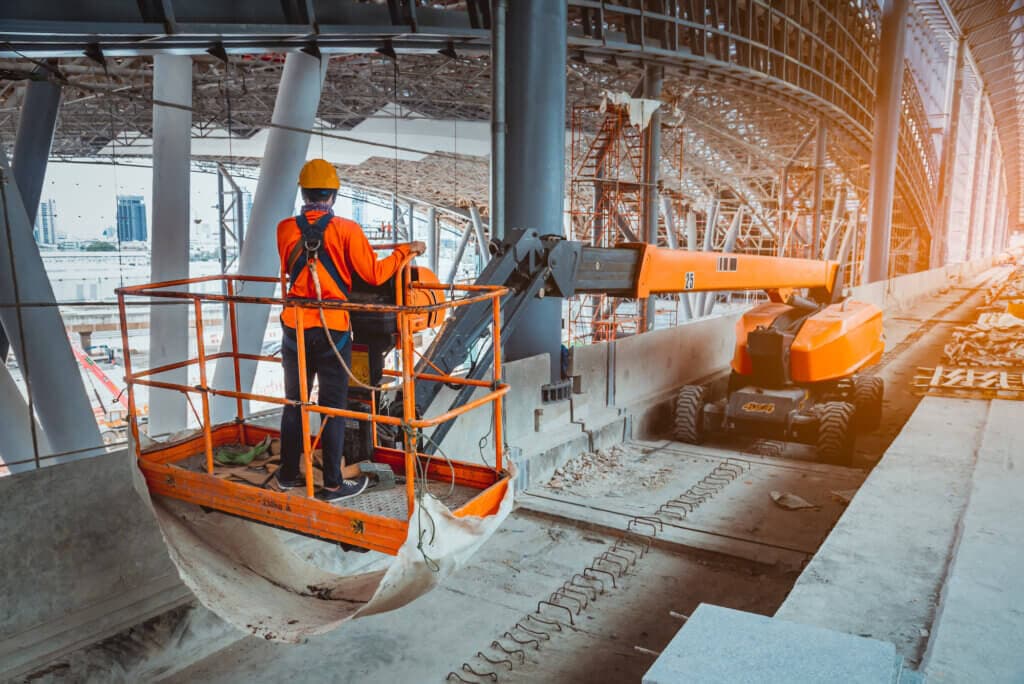
LOLER defines a lifting operation as any operation concerned with the lifting or lowering of a load — and a "load" can include people. Lifting equipment is any machinery used to lift or lower loads, including the accessories used to attach, anchor or support it.
Examples of lifting equipment include:
- Overhead cranes and runways
- Vehicle-mounted cranes and tail lifts
- Vehicle lifts and passenger/goods lifts
- Patient hoists
- Building cleaning cradles and suspension equipment
- Forklifts and telehandlers
- Lifting accessories such as chains, slings, eyebolts and hooks
How often is a LOLER inspection required?
The required frequency depends on the equipment and how it's used:
- Every 6 months for equipment used to lift people, and for all lifting accessories
- Every 12 months for all other lifting equipment
- After exceptional circumstances such as damage, a major modification, or a long period out of use
A competent person may also specify a different interval through a formal examination scheme.
Staying compliant
Tracking inspection dates, certificates and competent-person reports across a fleet of lifting equipment is time-consuming with paper or spreadsheets — and missed examinations carry both legal and safety risk. A digital asset platform like ToolSense stores each item's inspection history, schedules recurring examinations, and sends reminders before a certificate expires, so equipment stays compliant and safe to operate.
FAQ
Who can carry out a LOLER inspection?
A LOLER inspection must be carried out by a "competent person" — someone with the appropriate practical and theoretical knowledge and experience of the lifting equipment, independent enough to make an objective assessment. This is often an engineer surveyor from an inspection body.
How often must lifting equipment be inspected under LOLER?
Equipment used for lifting people and all lifting accessories must be thoroughly examined at least every 6 months; other lifting equipment at least every 12 months. Additional examinations are required after damage or significant changes in use.
What is the difference between LOLER and PUWER?
LOLER specifically covers the safe use, examination and maintenance of lifting equipment, while PUWER covers all work equipment more broadly. Lifting equipment must comply with both regulations.