Resources
Facility management teams are responsible for more assets, more sites and more service requests than ever before. Cleaning machines, vehicles, building equipment, IoT devices, safety equipment and subcontractor workflows all need to stay visible, maintained and compliant. When these processes are split across spreadsheets, paper checklists, email threads and disconnected systems, the result is usually the same: lost context, delayed repairs, unclear ownership and avoidable downtime.
This free ToolSense whitepaper explains how modern facility management organizations can move from reactive asset administration to structured asset operations. It focuses on practical ways to connect asset data, maintenance workflows, inspections, service teams and reporting in one operational model.
Download the free facility management whitepaper.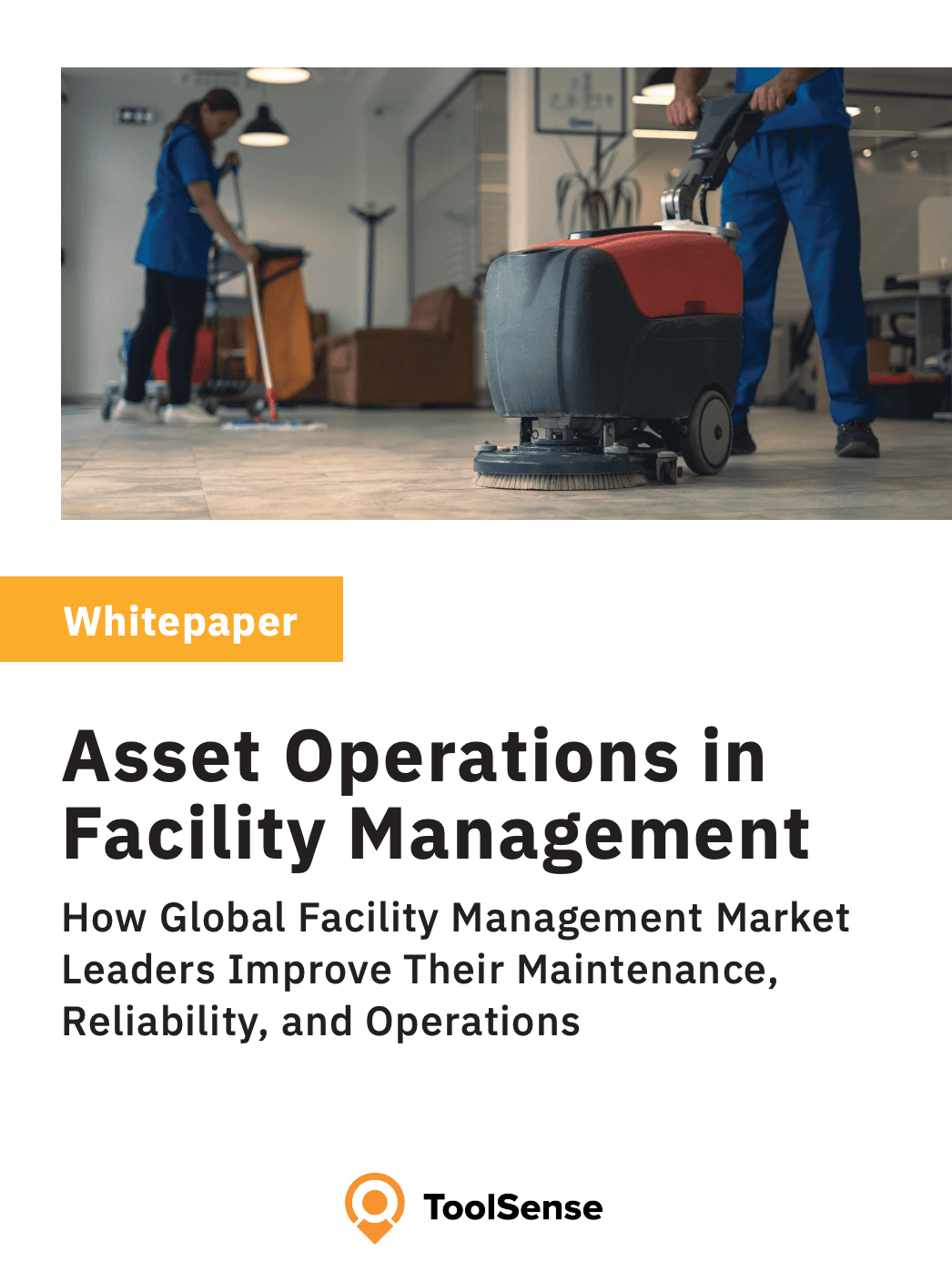
What the Whitepaper Covers
The whitepaper is built for facility management companies, building service providers and in-house FM teams that want to make daily operations easier to control. It looks at the gap between traditional facility management processes and a more connected asset operations model.
You will learn how to:
- Create one reliable source of truth for assets across buildings, contracts and service teams.
- Replace scattered spreadsheets with digital asset records, QR codes and mobile-first workflows.
- Connect maintenance requests, inspections, spare parts, documents and asset history.
- Reduce downtime by making issues easier to report, prioritize and resolve.
- Improve communication between operations managers, technicians, site managers and customers.
- Use asset and service data to support cost control, compliance and performance reporting.
The goal is not just to digitize existing paperwork. The stronger opportunity is to make facility operations easier to coordinate, measure and improve.
Why Asset Operations Matter in Facility Management
Facility management depends on many small operational decisions: which machine needs servicing, who has the right part, which site has a recurring issue, what needs to be inspected this week, and which assets are creating the most cost. When the answers live in different systems, teams lose time and decisions become reactive.
Asset operations brings these workflows together. Instead of treating assets as static inventory items, each asset becomes a living operational record with location, status, usage, maintenance history, documents, inspections, tickets and responsibilities attached to it.
For facility management teams, that creates value in four areas:
- Visibility: Managers can see which assets exist, where they are, who is responsible for them and what condition they are in.
- Uptime: Maintenance teams can react faster because faults, service history and work orders are connected to the asset record.
- Accountability: Digital checklists and logs show which tasks were completed, when they happened and who handled them.
- Cost control: Better asset data makes it easier to identify high-cost equipment, avoid unnecessary replacements and plan maintenance.
This is especially important in facility services, where teams often work across many customer sites and cannot rely on informal local knowledge.
From Spreadsheets to Connected Workflows
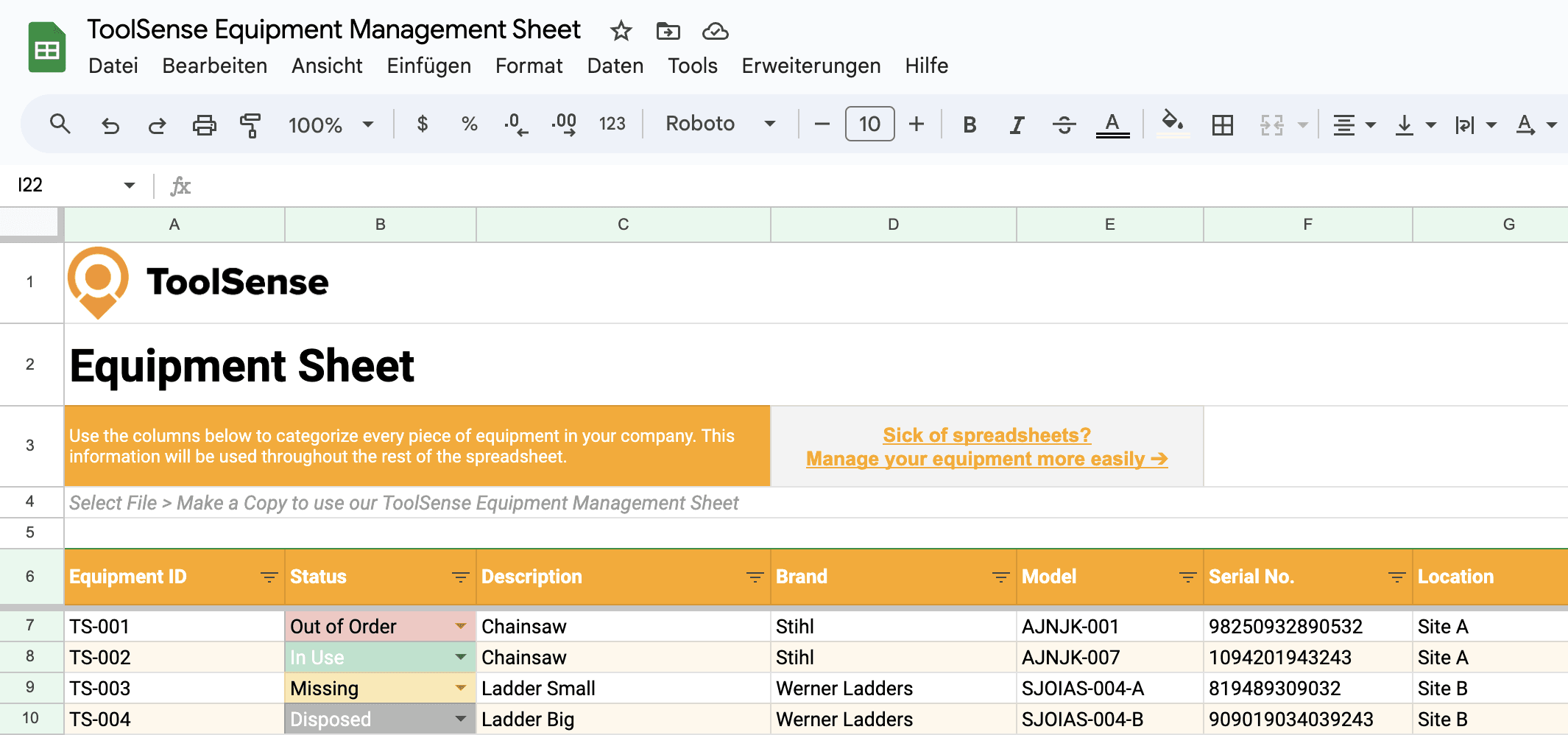
Spreadsheets are a useful starting point, but they are difficult to scale when multiple teams, sites and asset types are involved. A spreadsheet can list assets, but it usually cannot keep asset history, trigger maintenance reminders, collect inspection evidence, route work orders, connect IoT data or support customer-facing reporting.
The whitepaper explains how facility management teams can move step by step toward connected workflows:
- Build a clean asset register with consistent naming, categories, locations and ownership.
- Attach QR or NFC labels so technicians and operators can open the right asset record on site.
- Use digital forms for inspections, service requests, handovers and recurring checks.
- Connect preventive and reactive maintenance to asset history.
- Use dashboards and exports to make contract performance, downtime and service quality visible.
This approach helps teams avoid a disruptive big-bang transformation. The first improvements can start with the assets and workflows that create the most operational friction.
Who Should Download It?
The whitepaper is most useful for teams that manage physical assets as part of facility operations. That includes cleaning service providers, technical FM teams, building service contractors, enterprise facility departments and organizations managing distributed equipment fleets.
It is especially relevant if your team is dealing with:
- Missing or outdated asset lists.
- Equipment that moves between sites without reliable tracking.
- Maintenance requests that arrive through phone calls, email or chat messages.
- Paper-based inspections that are difficult to audit.
- Unclear asset ownership between central operations and local teams.
- Limited visibility into downtime, repair costs or recurring failures.
- A need to prove service quality to customers or internal stakeholders.
If these issues sound familiar, the whitepaper gives you a practical framework for improving the operating model before selecting or rolling out software.
How ToolSense Supports Facility Operations
ToolSense is the FM Operations Platform for asset-intensive facility management teams. It combines asset management, maintenance workflows, digital checklists, IoT data, fleet visibility, robotics management, quality audits and task management in one platform.
For facility management teams, ToolSense can support:
- Digital asset records for machines, vehicles, equipment and building assets.
- QR and NFC scanning for fast issue reporting and asset identification.
- Preventive maintenance plans, recurring inspections and work orders.
- Mobile workflows for technicians, site teams and subcontractors.
- Documents, photos, service history and warranty information in one asset timeline.
- Dashboards for downtime, maintenance status, compliance and operational performance.
- Integrations and data exports that connect asset operations with existing systems.
The result is a clearer connection between the assets your teams manage and the daily work required to keep services running.
Get the free Asset Operations in Facility Management whitepaper.FAQ
What is the facility management whitepaper about?
The whitepaper explains how facility management teams can improve asset visibility, maintenance workflows, communication and reporting by moving from disconnected tools to a structured asset operations model.
Is the whitepaper free?
Yes. The ToolSense facility management whitepaper is free to download through the form on this page.
Who is the whitepaper for?
It is written for facility management companies, building service providers, in-house FM teams and operations leaders who manage equipment, buildings, inspections, maintenance tasks or distributed service teams.
How does asset operations differ from simple asset tracking?
Asset tracking focuses on knowing what assets exist and where they are. Asset operations goes further by connecting each asset to maintenance history, work orders, inspections, documents, usage data, responsibilities and performance reporting.