Business
Keeping up with the constant changes in asset management compliance is a challenge for nearly every organization that owns physical assets. This guide explains what asset management compliance is, why it matters, the main types and challenges involved, and how to stay compliant without drowning in manual work.
Key facts
- Asset management compliance is the process of adhering to the legal, regulatory and policy requirements that govern how a company protects and manages its assets.
- There are two broad types: internal compliance (your own quality and process standards) and external compliance (laws, regulations and industry standards).
- Digitizing and automating compliance tasks is the most reliable way to stay current and avoid fines, penalties and reputational damage.
What is asset management compliance?
Asset management compliance is the process of adhering to the laws, regulations and policies that relate to a company's assets. Staying compliant ensures your procedures remain current and valid - and failing to do so can expose the business to significant fines, penalties and lasting damage to its reputation.
Maintaining compliance is difficult because standards evolve constantly, data must be kept secure, and consistent baseline protocols have to be followed everywhere. Organizations that digitize compliance activities, monitor them continuously and automate routine tasks are far better placed to keep up.
Why asset management compliance matters
Compliance is not just a legal box-ticking exercise. Done well, it:
- Protects the business from fines, legal action and forced shutdowns
- Safeguards reputation with customers, partners and regulators
- Improves safety by keeping equipment inspected, certified and fit for use
- Extends asset life through enforced maintenance and inspection routines
- Supports better decisions with accurate, auditable records
Types of asset management compliance
Internal compliance
Internal compliance covers the standards a company sets for itself - quality checks, maintenance schedules, safety procedures and documentation practices. It keeps operations consistent and is often the foundation that makes external compliance achievable.
External compliance
External compliance covers the rules imposed from outside the organization: health and safety law, industry-specific regulations, environmental standards and certification requirements. These are non-negotiable and usually carry the heaviest penalties when breached.
Common compliance challenges
- Keeping up with changing standards across multiple jurisdictions and industries
- Maintaining accurate, accessible records for audits and inspections
- Ensuring data security for sensitive asset and operational information
- Applying consistent protocols across sites, teams and asset types
- Proving compliance quickly when regulators or auditors come calling
How to stay compliant with ToolSense
Manual, paper-based compliance is slow and error-prone. ToolSense helps organizations stay compliant by centralizing asset data and automating compliance workflows:
- A complete digital record and lifecycle history for every asset
- Scheduled inspections and maintenance with automatic reminders before deadlines
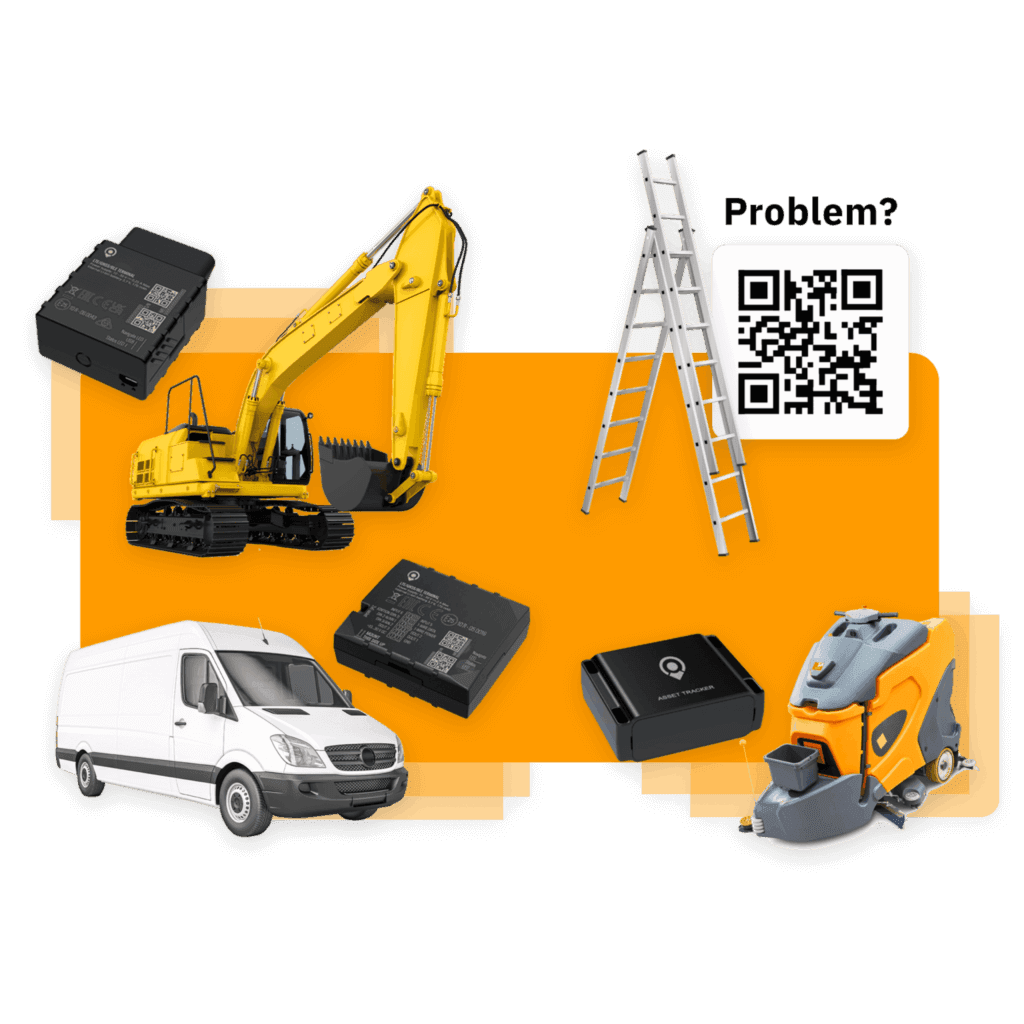
- QR-code access so field teams can log checks and report issues instantly
- Audit-ready documentation stored in one place, retrievable in seconds
By digitizing compliance activities and monitoring them continuously, you reduce risk, save time and turn compliance from a recurring headache into a routine, automated process.
FAQ
What is asset management compliance?
It is the process of adhering to the laws, regulations and internal policies that govern how a company manages and protects its assets, ensuring procedures stay current and valid.
What are the main types of asset management compliance?
There are two: internal compliance (a company's own quality and process standards) and external compliance (laws, regulations and industry standards imposed from outside).
How can software help with compliance?
Asset management software centralizes records, schedules and tracks inspections and maintenance, sends reminders before deadlines, and keeps audit-ready documentation in one place - making it far easier to stay compliant and prove it.