Business
Many equipment OEMs still earn most revenue at the point of sale. The machine is delivered, the margin is booked and the customer relationship moves into a mix of spare parts, warranty claims and reactive service.
Connected equipment creates a different model. When machines send useful operational data back to the OEM or dealer, the relationship can become continuous. Service can become proactive. Customers can pay for uptime, monitoring, reporting, alerts or digital workflows that improve how they run the equipment.
The opportunity is not simply "add a tracker". The real opportunity is to build a recurring service layer around the installed base.
What Counts as Connected Equipment?
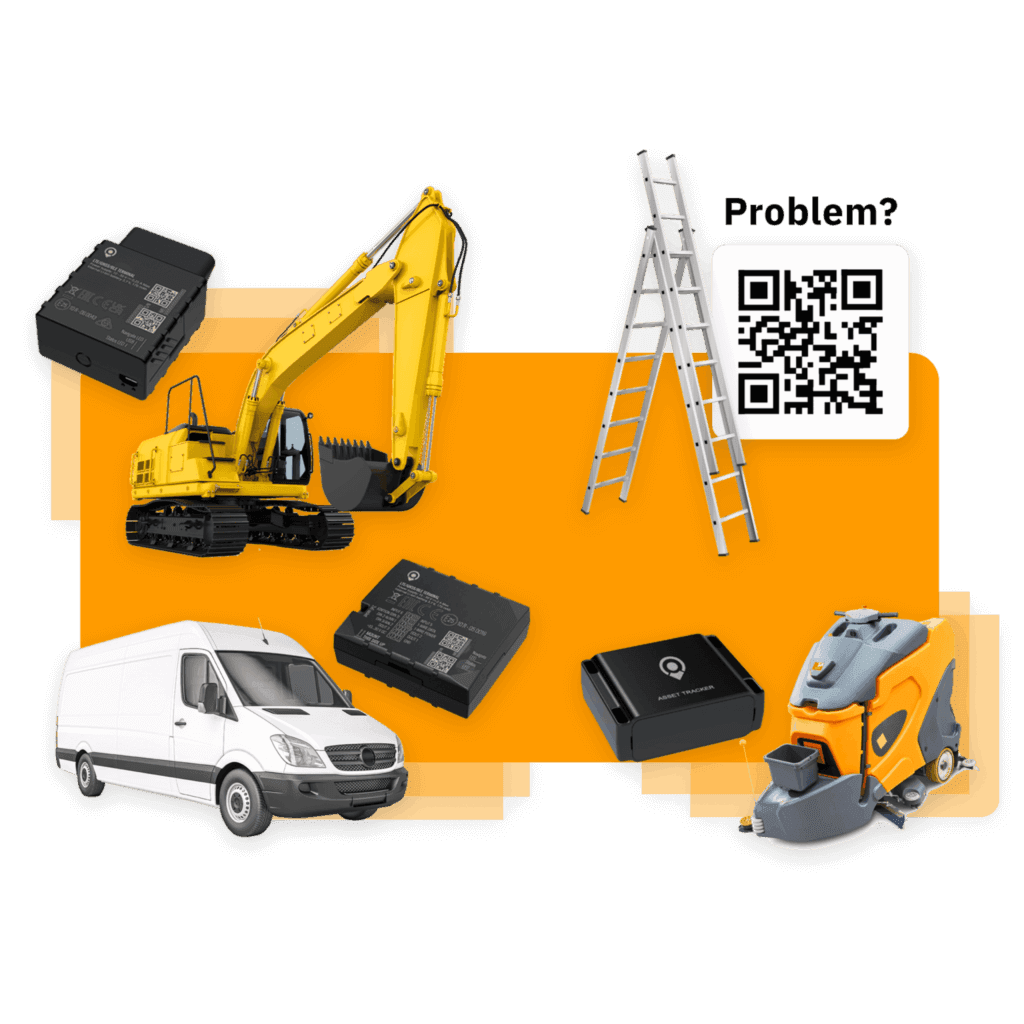
Connected equipment is any machine, vehicle, robot or tool that sends operational data to a software platform. That data might come from embedded electronics, retrofitted IoT hardware, manufacturer APIs or gateway devices.
Useful data often includes:
- Location and movement.
- Runtime hours.
- Battery level or charging status.
- Error codes and fault events.
- Usage intensity.
- Temperature, vibration or other condition data.
- Service intervals and inspection status.
For customers, the value is operational visibility. For OEMs, the value is a better understanding of how equipment performs after it leaves the factory or dealership.
Recurring Revenue Models for OEMs
Connected equipment can support several recurring revenue models. The right model depends on your product category, service network and customer expectations.
Connectivity Subscription
Customers pay a monthly or annual fee for connected-machine access, dashboards, alerts and data history. This works best when the data is clearly useful day to day, such as location, runtime, coverage, fault status or utilization.
Preventive Service Packages
Instead of waiting for customers to call when something breaks, OEMs can offer service packages based on runtime, usage or condition. Connected data makes maintenance easier to schedule and justify.
Uptime and Availability Services
For critical equipment, customers may value guaranteed availability more than individual service visits. Connected equipment helps the OEM detect early warning signs, plan technician visits and document performance.
Warranty and Lifecycle Intelligence
Connected data can reduce warranty uncertainty. The OEM can see how equipment is used, identify recurring failures and distinguish misuse from legitimate product issues.
Customer Portal Access
Customers may pay for a branded digital experience that lets them see their equipment, documents, service requests and performance data. A white-label customer portal makes the recurring service more tangible.
The Data Layer Comes First
Recurring revenue depends on trust. Customers will not pay for a connected service if the data is incomplete, hard to access or disconnected from the work they care about.
That means the first layer is not billing. The first layer is a reliable IoT and telematics platform that can collect, normalize and present connected-equipment data in a way customers and service teams can act on.
For OEMs, this platform should answer practical questions:
- Which machines are connected?
- Which customers own or operate them?
- Which machines need attention?
- Which errors or usage patterns repeat?
- Which data should customers see?
- Which data should trigger a service workflow?
- Which information should flow into ERP, CRM or field service systems?
When this foundation is missing, connected-equipment projects often stay stuck as dashboards. They may show data, but they do not generate service revenue.
Connect Data to Service Workflows
Recurring revenue becomes stronger when connected equipment is tied to real service workflows.
For example:
- Runtime hours trigger a preventive maintenance task.
- A fault code creates a service ticket.
- A low battery alert routes to an operations team.
- Location history helps recover misplaced equipment.
- Repeated errors inform spare parts planning.
- Service records become visible to the customer.
This is where field service management software matters. The connected signal should not sit in a separate system. It should help dispatch the right technician, prepare the right parts and document the work.
Make the Value Visible to Customers
Customers need to see what they are paying for. If the connected service is invisible, it becomes hard to renew.
A customer-facing layer can show:
- Equipment status.
- Open and closed service requests.
- Maintenance history.
- Reports and documents.
- Alerts or exceptions.
- Uptime and utilization trends.
That is why many OEMs combine connected equipment with a branded portal. The portal turns backend service data into a customer experience and reinforces the OEM's role as a long-term service partner.
How to Start Without Overbuilding
The safest way to start is with one connected-equipment use case that has clear commercial value.
Good starting points include:
- Runtime-based maintenance for high-value machines.
- Fault-code alerts for equipment with costly downtime.
- Location and utilization reporting for distributed fleets.
- Customer self-service for manuals, tickets and service history.
- Remote monitoring for dealers responsible for a large installed base.
Start with a narrow customer segment, prove the value, then package the offer. Avoid starting with every possible sensor, every market and every product line.
How ToolSense Fits
ToolSense helps OEMs and equipment dealers build digital service models around connected equipment.
The platform combines:
- White-label IoT and telematics.
- Customer-facing portals.
- Asset and installed-base records.
- Field service workflows.
- Documents and service history.
- Integrations with existing business systems.
That combination matters because recurring revenue rarely comes from data alone. It comes from data connected to service, customer experience and operational follow-through.
FAQ
How can OEMs make recurring revenue from connected equipment?
OEMs can sell recurring services such as connectivity subscriptions, remote monitoring, preventive service packages, uptime support and customer portal access around the connected installed base.
What data is most useful for connected-equipment services?
Runtime, location, error codes, condition data, service status and utilization are often the most commercially useful because they support maintenance, monitoring and reporting.
Do OEMs need to build their own IoT platform?
Not always. Many OEMs move faster with a white-label IoT platform that provides hardware, software, customer portal and service integrations without requiring a full internal platform build.