Maintenance
Employee safety and environmental protection are critical wherever explosive atmospheres can occur. In the European Union, ATEX directives define requirements for equipment, protective systems and workplaces in areas where gas, vapor, mist or dust could ignite.
In Brief
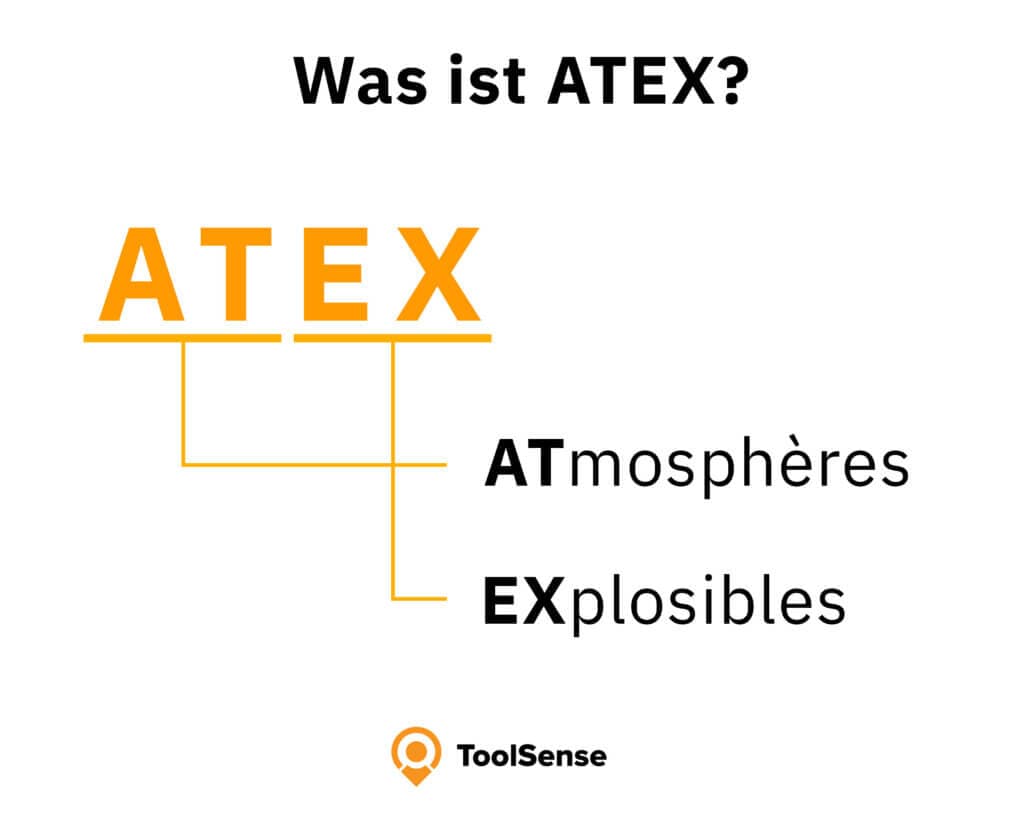
- ATEX comes from the French term Atmosphères Explosibles.
- It applies to equipment, machines and protective systems used in potentially explosive atmospheres.
- ATEX-certified equipment is marked to show it is suitable for defined hazardous areas.
- The EU framework includes Directive 1999/92/EC for workplaces and Directive 2014/34/EU for products.
What Is ATEX?
ATEX covers explosion protection in the EU. It includes measures to prevent explosive atmospheres, prevent ignition and reduce the impact if an explosion occurs.
The three layers of protection are:
- Primary explosion protection: prevent an explosive atmosphere from forming.
- Secondary explosion protection: prevent ignition of an existing explosive atmosphere.
- Tertiary explosion protection: limit the consequences of an explosion.
What Does the ATEX Logo Look Like?
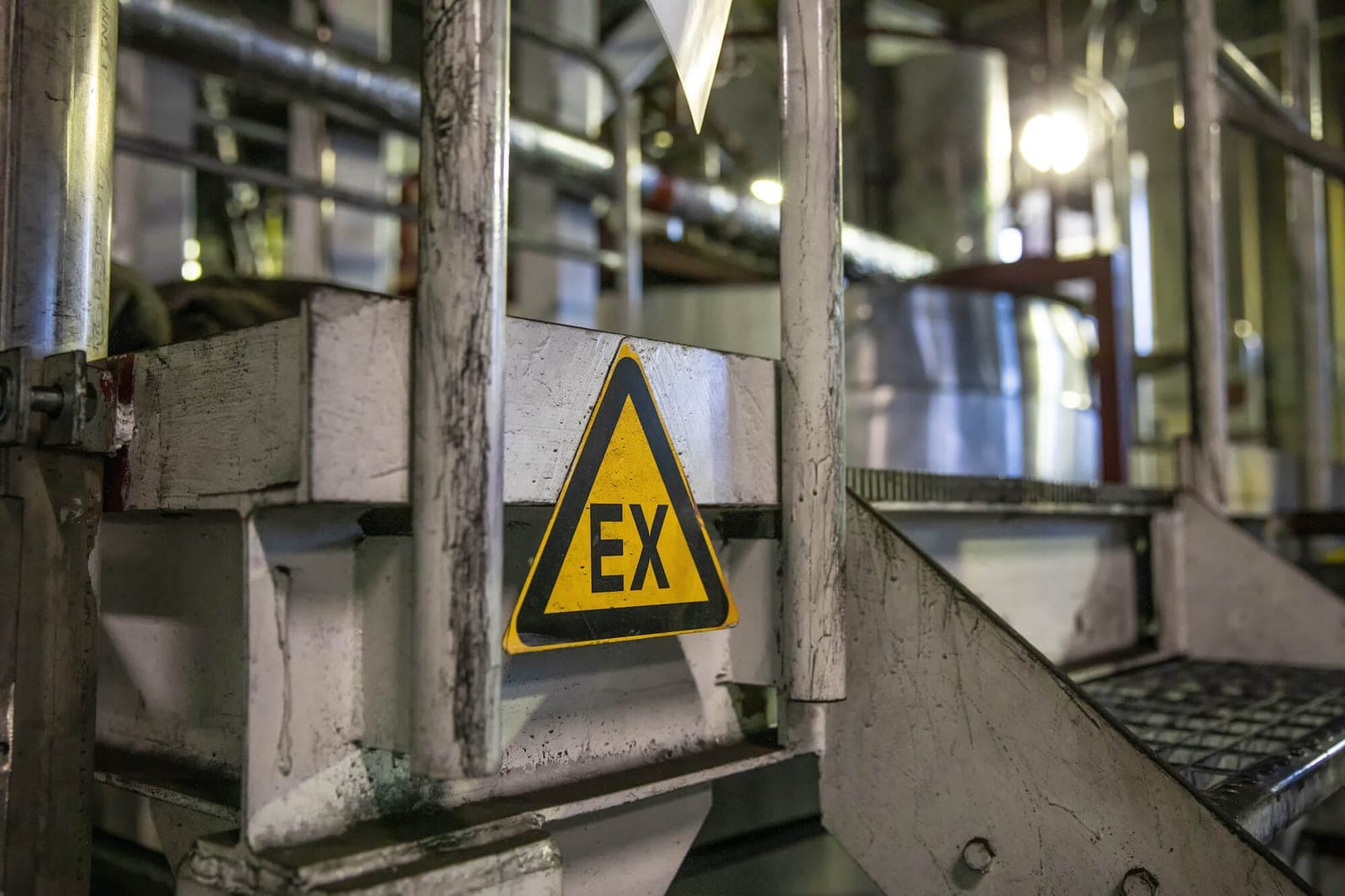
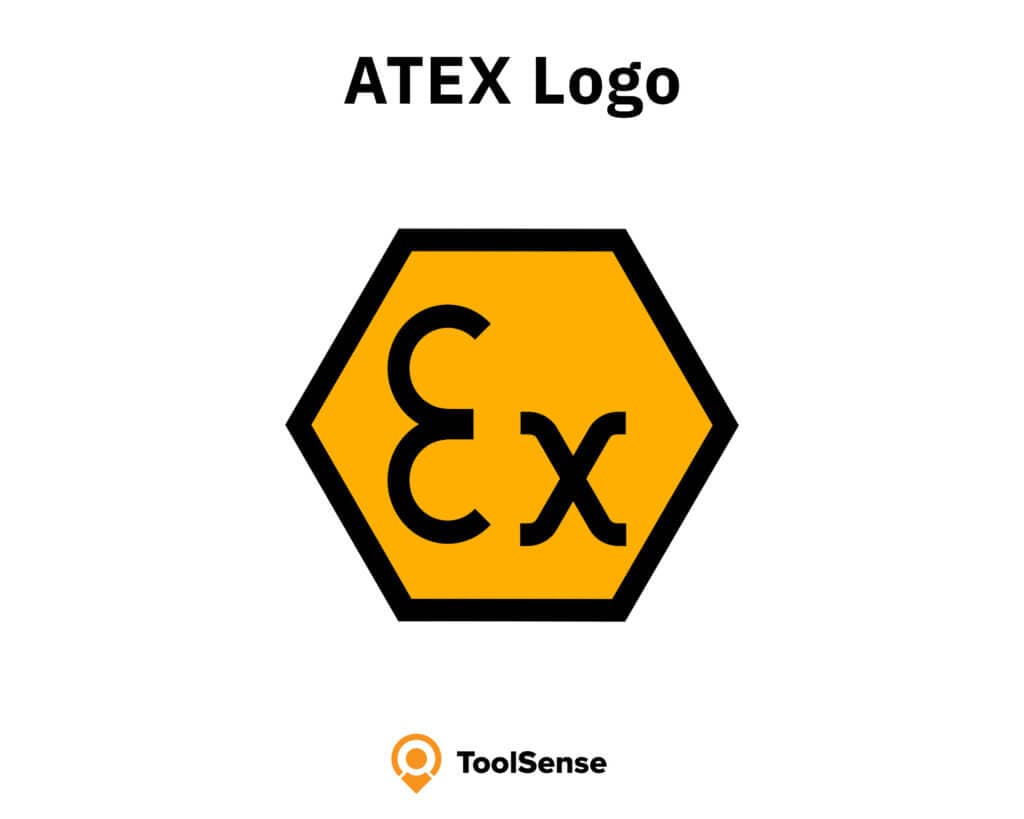
The ATEX marking is commonly shown as the Ex symbol, often in a hexagon with a yellow background. Equipment that has passed the relevant conformity process can carry the marking.
Which ATEX Directives Exist?
Product Directive 2014/34/EU
Directive 2014/34/EU applies to placing equipment and protective systems on the market for use in explosive atmospheres. It defines equipment groups, categories, essential safety requirements and conformity assessment procedures.
Workplace Directive 1999/92/EC
Directive 1999/92/EC is aimed at employers and operators. It sets minimum requirements for protecting workers in potentially explosive atmospheres. It covers explosion protection documents, coordination duties, zone classification and criteria for selecting equipment.
Protective Measures
Employers must consider how likely an explosive atmosphere is, how long it may occur, possible ignition sources, electrostatic discharge, substances used, processes, interactions, zone classification, warning signs and the expected effects of an explosion.
Equipment Marking
Equipment used in hazardous areas must be marked according to ATEX requirements. Typical markings include manufacturer, CE marking, notified body number if applicable, type, serial number, year of manufacture, equipment group and category.
Why Were ATEX Directives Created?
ATEX directives exist to protect people, equipment and the environment. They help prevent explosive atmospheres, reduce ignition risks and limit damage if an explosion occurs.
How Does an Explosion Occur?
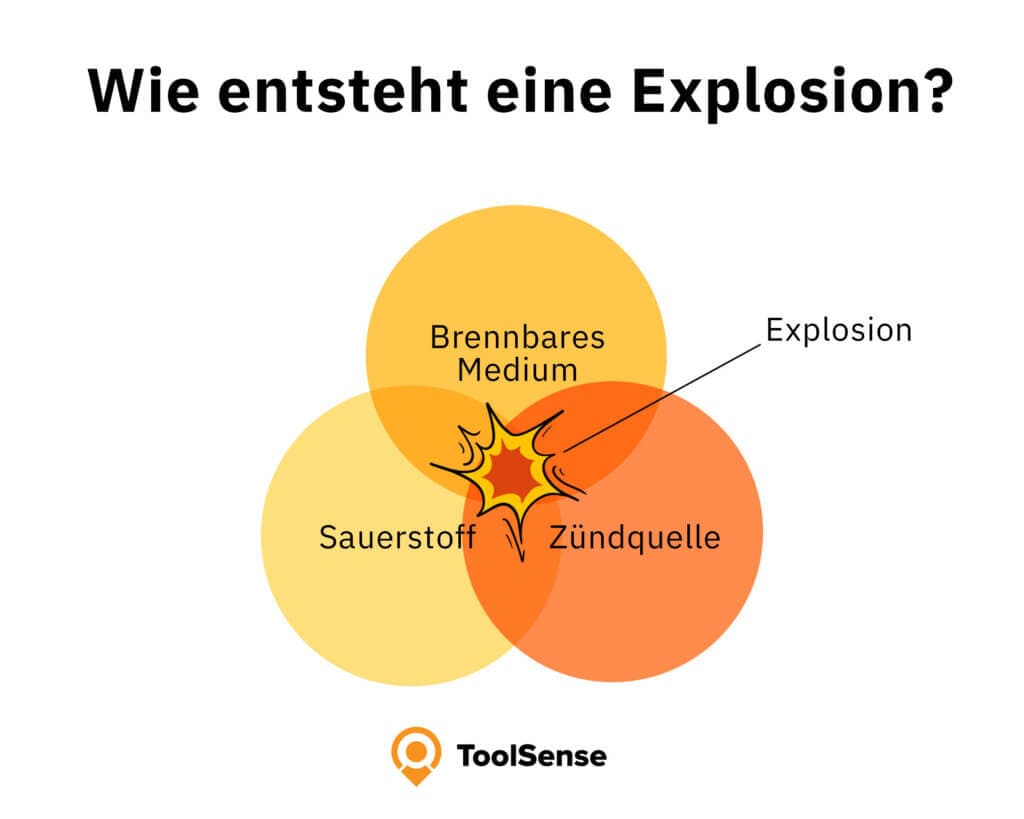
An explosion needs three elements: oxygen, a combustible substance and an ignition source. If a spark meets oxygen mixed with gas, vapor, mist or dust, an explosion may occur.
Relevant Industries
ATEX is especially relevant in chemical plants, refineries, metal processing, oil and gas, construction, agriculture, wood processing and any setting where combustible gases, liquids or dusts can occur.
Which Products Need ATEX Approval?
Products, machines and components used in hazardous areas or capable of becoming ignition sources may need ATEX approval. This includes equipment for generating, transferring, storing, measuring, controlling or converting energy when used in explosive atmospheres.
Hazardous Area Classification
Equipment is divided into groups:
- Group I: equipment used in mines and underground works.
- Group II: equipment used in other hazardous areas such as chemical plants, refineries, offshore platforms and pharmaceutical sites.
Categories indicate the required safety level. Category 1 provides a very high level of protection, category 2 a high level and category 3 a normal level for less frequent hazards.
Zones
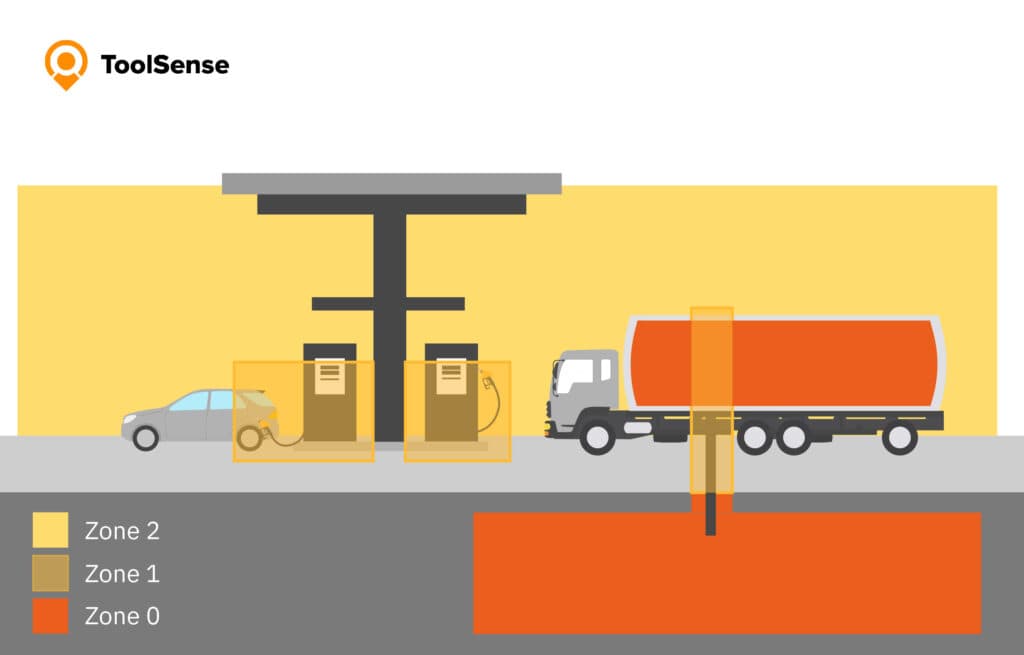
Zones describe how often an explosive atmosphere is present:
- Zone 0 or 20: continuously, for long periods or frequently.
- Zone 1 or 21: occasionally during normal operation.
- Zone 2 or 22: not normally present, or only briefly.
Types of Ignition Protection
If an explosive atmosphere cannot be prevented, ignition must be prevented. Protection methods depend on whether the hazard comes from dusts or gases.
Examples for dust include protection by enclosure, pressurization, intrinsic safety, encapsulation and dust-tight design. Examples for gases include flameproof enclosure, increased safety, intrinsic safety, pressurization, oil immersion, sand filling and optical radiation protection.
Understanding ATEX Markings
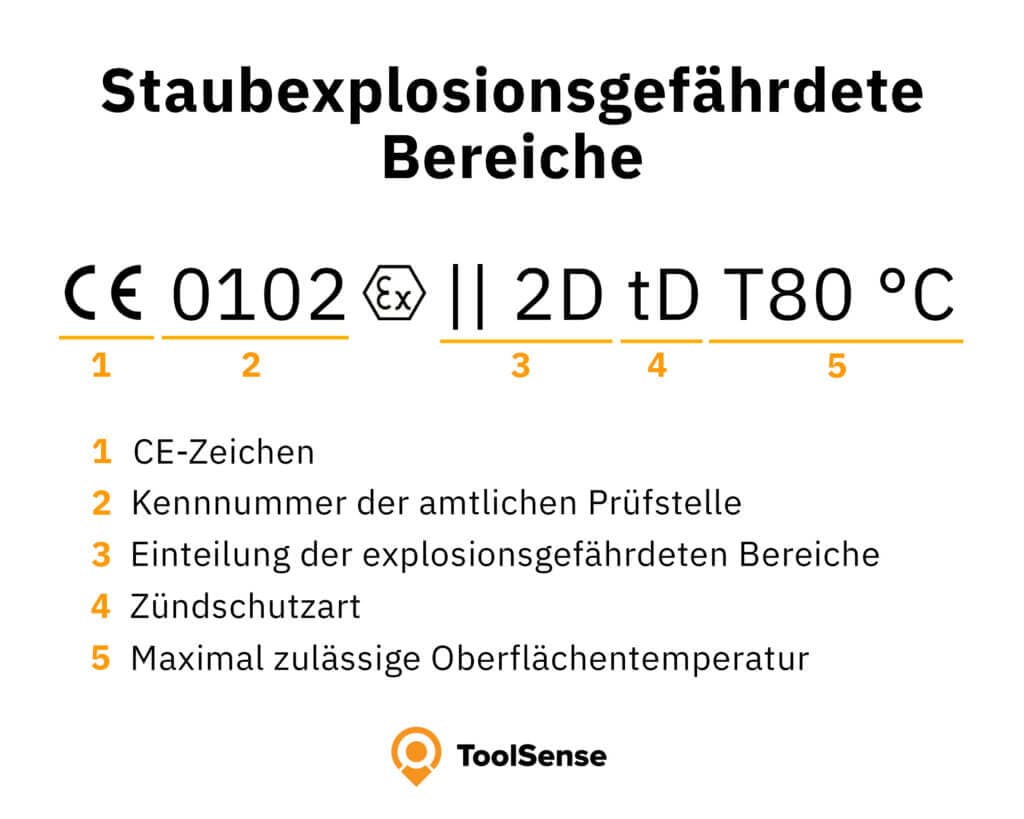
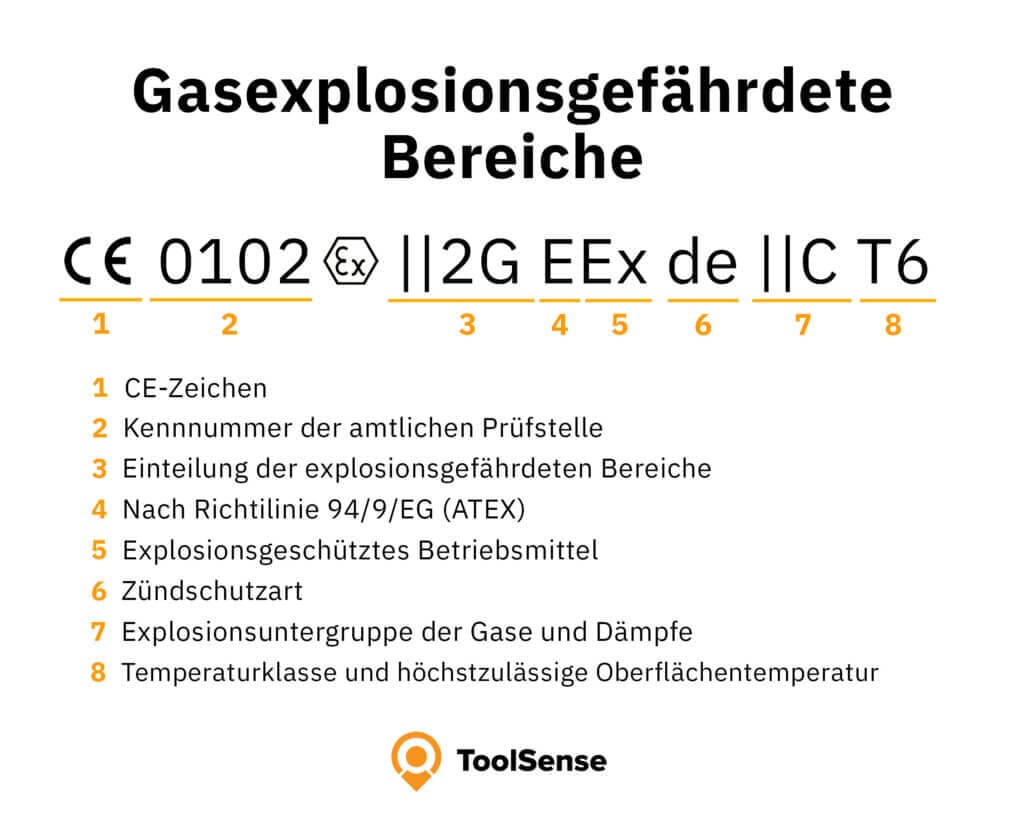
ATEX markings can include the CE mark, notified body number, hazardous area classification, protection type, gas or dust group and maximum surface temperature. Correct interpretation is important when selecting equipment.
Certification
The certification route depends on equipment category and intended zone. Category 3 products can often use internal production control. Category 2 equipment may require different procedures depending on whether it is electrical. Category 1 products always require assessment by the responsible body.
What Is IECEx?
IECEx is an international certification system for equipment used in explosive atmospheres. It aims to simplify international trade while maintaining safety standards.
Conclusion
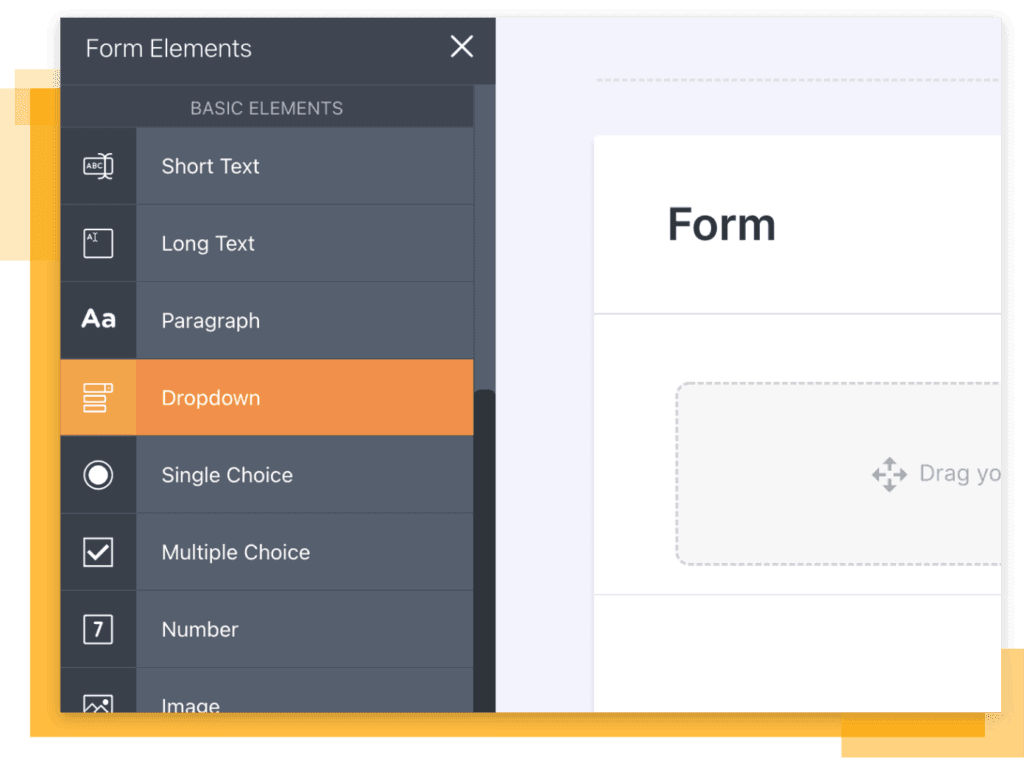
ATEX directives are essential wherever explosive atmospheres may occur. They define how equipment is selected, marked, inspected and documented. ToolSense can support compliance work by managing inspection intervals, digital forms, asset records and reminders in one platform.
FAQ
What does ATEX certification mean?
ATEX certification confirms that equipment is suitable for use in defined explosive atmospheres.
When does ATEX apply?
ATEX applies to equipment sold in the EU and used in potentially explosive atmospheres, as well as workplace protection duties for employers.
Which ATEX zones exist?
Zones 0, 1 and 2 apply to gases, vapors and mists. Zones 20, 21 and 22 apply to dusts.
What does Directive 2014/34/EU regulate?
It regulates placing equipment and protective systems on the market for use in explosive atmospheres.