ToolSense
The world of work is changing. Industry 4.0 technologies, ongoing digitalization, and labor shortages across many sectors are creating new opportunities and new challenges. Maintenance managers feel these changes especially strongly and need to adapt their ways of working to stay effective. In this article, you will learn which challenges are most important for the maintenance managers of the future and how to handle them successfully.

The topic in brief
- Maintenance includes all technical and administrative measures used to preserve or restore the functional condition of an object.
- The main areas of maintenance are inspection, servicing, repair, and improvement.
- Maintenance managers develop maintenance procedures and check that they are implemented correctly. They inspect equipment, identify problems, and coordinate solutions.
- Major challenges include skilled labor shortages, poor documentation, organizational difficulties, lack of reliable information, and unused digital potential.
- ToolSense is maintenance software that helps organize work, automate documentation, and make daily maintenance tasks easier.
What is a maintenance manager?
A maintenance manager oversees the maintenance, repair, and servicing work required for a company’s assets and facilities. They are responsible for developing maintenance procedures and making sure those processes are implemented correctly. They also monitor the operating site, identify issues, and ensure that problems are resolved. In many organizations, this includes checking electrical and hydraulic systems and confirming that they remain functional.
When planning and carrying out repairs and maintenance, the maintenance manager coordinates additional staff and provides the tools and information needed for the work. Inventory control, budget monitoring, and ordering spare parts are also part of the role. Maintenance records and compliance with health and safety regulations are equally important.
What is maintenance and which tasks does it include?
Maintenance can be understood as all technical and administrative measures used to preserve or restore the functional condition of an asset. Its goals include reducing downtime, increasing asset availability, optimizing operations, extending equipment life, and improving workplace safety.
Maintenance is often divided into four areas:
- Inspection: checking the actual condition of assets and monitoring the machine fleet.
- Servicing: measures that preserve the target condition, such as replacing wear parts.
- Repair: work that restores the target condition after a defect.
- Improvement: measures that optimize processes and increase machine utilization.

The 8 biggest challenges for maintenance managers
High maintenance costs
Rising prices affect companies of every size. Energy, material, and spare-part costs have increased in recent years. Estimates suggest that maintenance costs can represent up to 40% of the total operating costs of a plant or facility. When unplanned failures occur, downtime is often followed by lost production and time-consuming repairs, which can directly affect profitability.
Poor and decentralized documentation
Many equipment problems happen more than once. Maintenance teams often know which parts, components, or machines cause repeated issues, but these failures are frequently documented poorly or only in scattered places. As a result, important information needed to prevent or resolve problems is not available quickly enough. When new technicians join and onboarding is incomplete, weak documentation can allow problems to remain hidden for too long.
Reactive instead of preventive problem solving
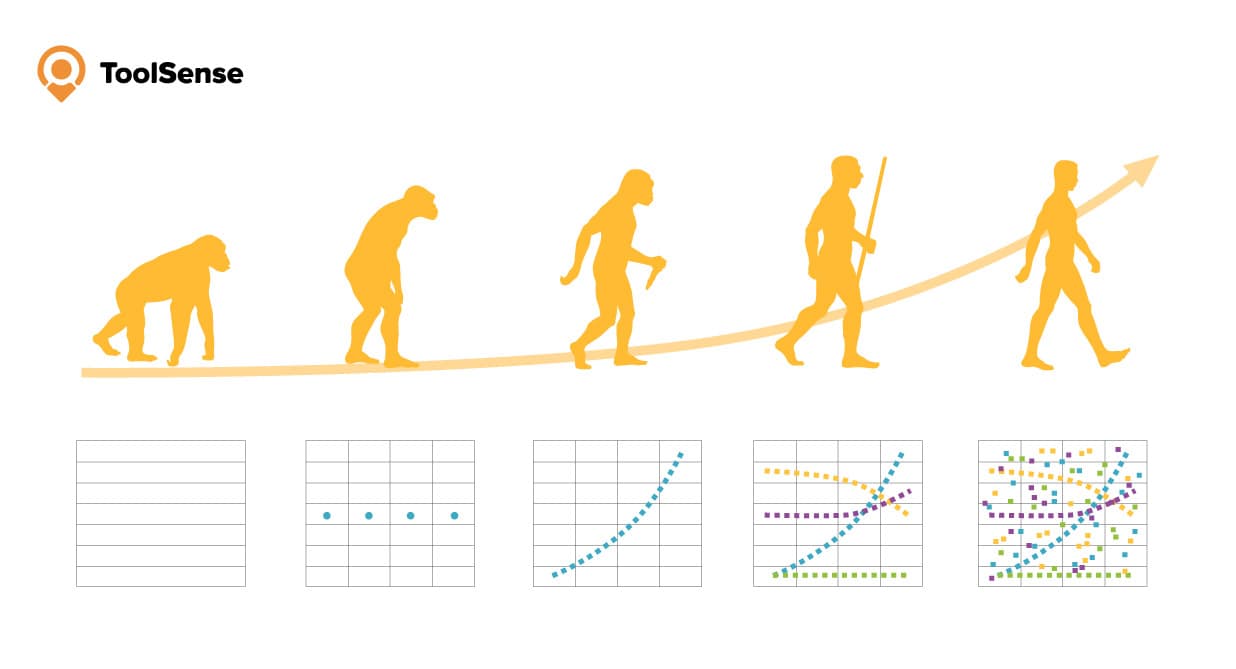
Many organizations still rely heavily on reactive maintenance. Machines are serviced only after faults or breakdowns appear. This can seem efficient at first because unnecessary work is avoided, but it often leads to higher long-term costs, deeper repairs, and unplanned production downtime. Alternatives include preventive maintenance and predictive maintenance. Preventive maintenance aims to avoid a broad range of failures, while predictive maintenance uses data to prevent especially foreseeable problems.
Lack of information due to insufficient data
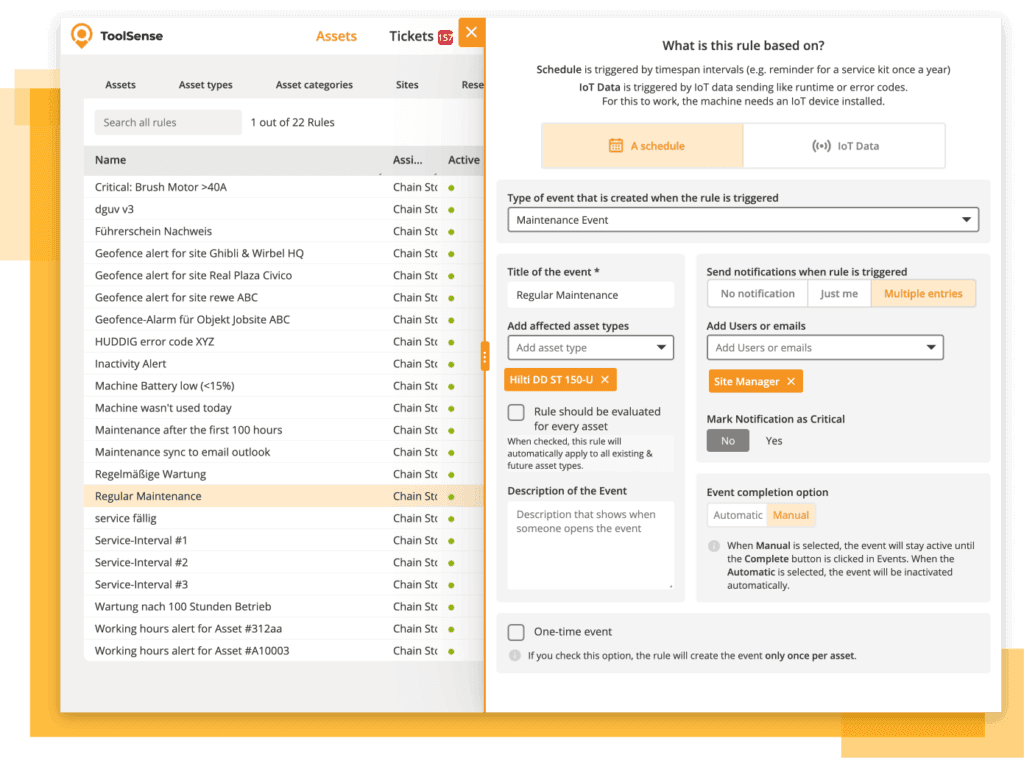
Machine data such as runtime, maintenance history, temperature, downtime, vibration, spare-part stock, and similar indicators can provide valuable insight and support asset management. With reliable data, teams can make better predictions and detect problems early. In many companies, however, these data points are collected incompletely or stored on paper, making quick access difficult. Missing information can lead to expensive downtime because warning signs are not recognized in time.
Time and organization problems
A common mistake is weak prioritization and organization around planned maintenance. When all machines are running normally, staff are usually assigned to current production or service tasks. Planned maintenance is postponed, and potential wear or hidden issues continue to grow. Related organizational tasks, such as checking spare-part inventory, calculating budgets, planning work hours, and updating maintenance records, are also delayed.
Unused potential: Industry 4.0 and IoT
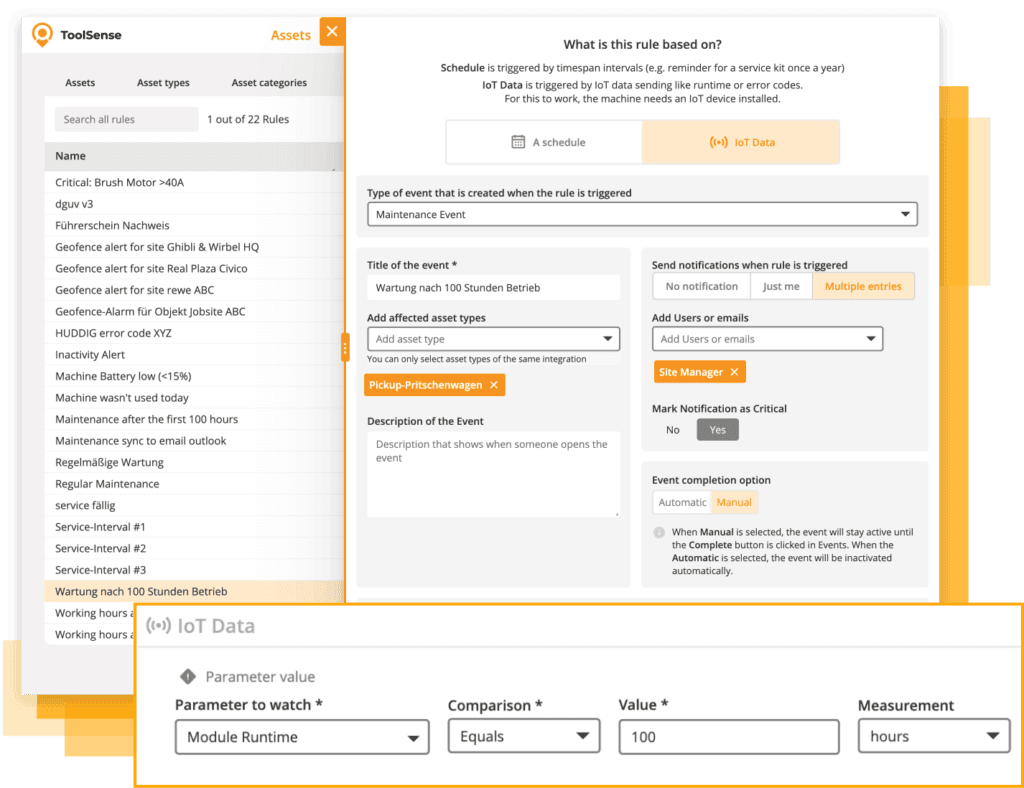
Many companies hesitate to invest in digitalization, Industry 4.0, and IoT tools because they appear expensive. This leaves major potential unused. Modern technologies can make operational work easier and maintenance more efficient. Examples include sensors and trackers connected to software that automatically collect and analyze machine data.
Employee mobility
Employee mobility has changed significantly. Information and software are no longer limited to a stationary office computer. Today, maintenance teams often work with smartphones and tablets. Maintenance managers can retrieve information from anywhere, respond quickly to faults, and document work in real time. This requires companies to provide suitable mobile technology, which is still not the case everywhere.
Recruiting maintenance staff
The baby boomer generation is gradually reaching retirement age. Younger generations cannot fully fill the gaps left behind, and trades are becoming less attractive to many job seekers. The result is a skilled labor shortage that is difficult for companies to solve. Maintenance managers therefore need processes and tools that help smaller teams work more consistently and share knowledge more easily.
How ToolSense helps maintenance managers
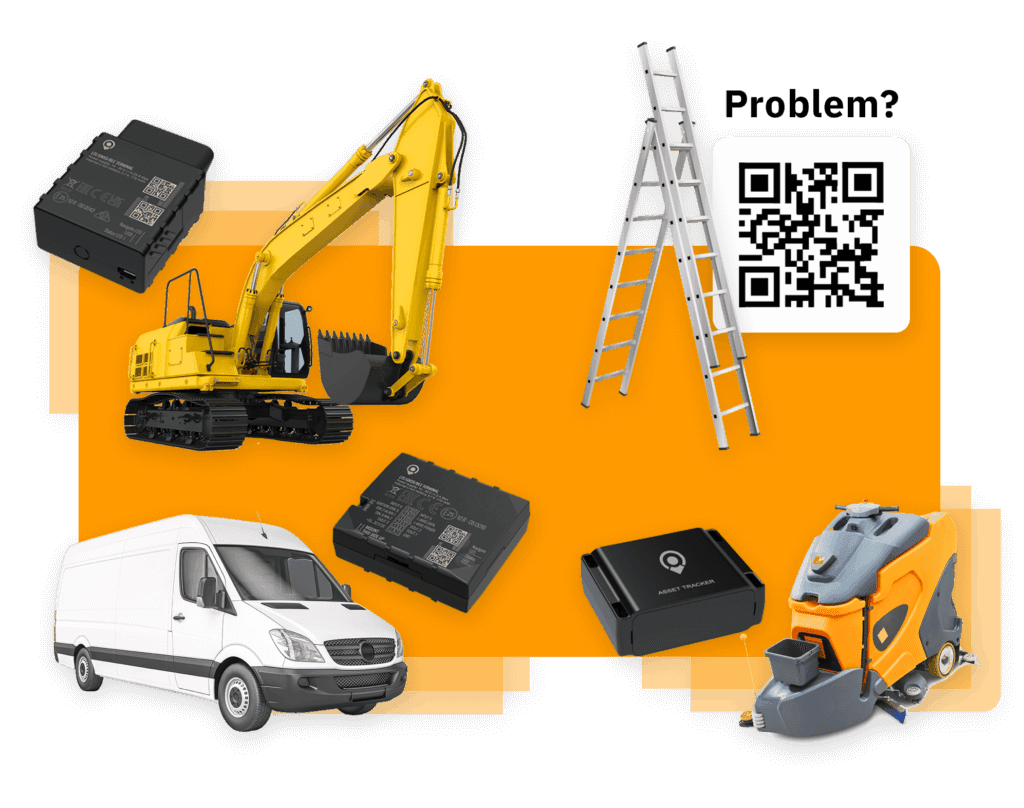
ToolSense is asset management and maintenance software for many industries. It can simplify daily work for maintenance managers. If a company already has an Excel list of machines and equipment, the list can be imported into ToolSense quickly. Teams then have a central overview of all assets.
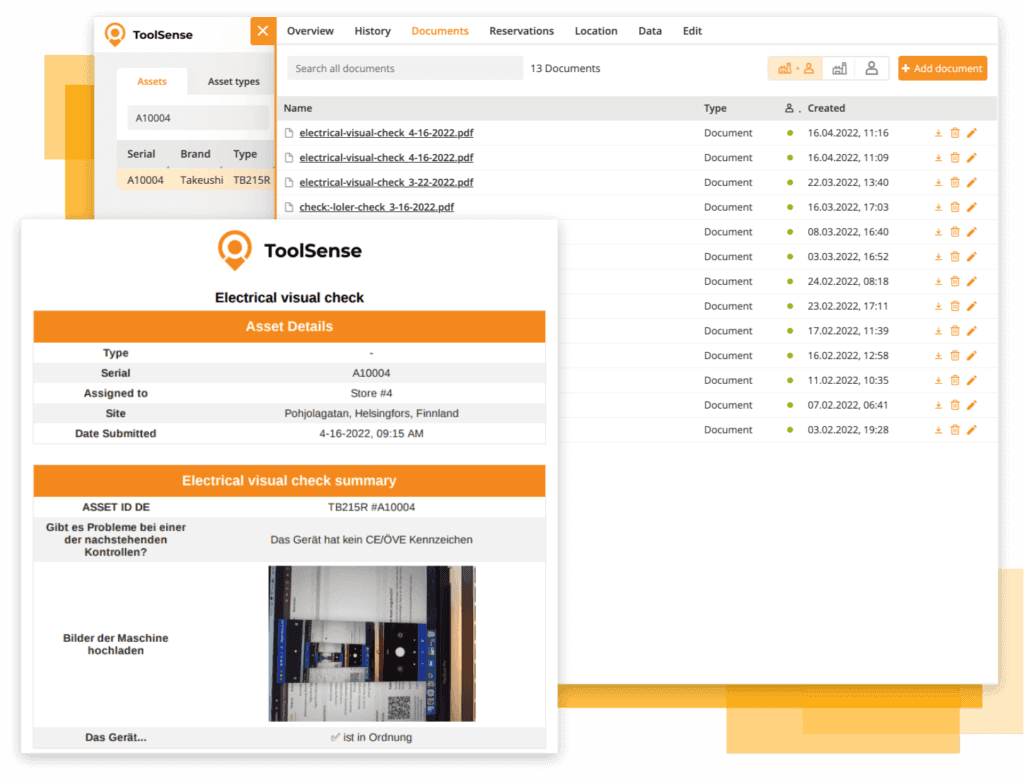
Combined with modern IoT hardware, such as sensors and trackers, ToolSense can monitor important machine data automatically and prepare it for analysis. Runtime, downtime, inventory, work orders, location, and maintenance history are stored in the lifecycle folder of each machine. If an asset cannot be equipped with a sensor, it can still receive a unique QR code. Employees scan the code with a smartphone or tablet to record runtime, report a fault, or request a repair.
All important information is available in the lifecycle folder. Because ToolSense is cloud-based, teams can access it from desktop computers and mobile devices. The platform also allows custom checklists, which are especially useful for recurring servicing and maintenance work. Maintenance intervals can be set individually for each asset so technicians receive reminders at the right time. Work order management makes repairs and orders easier to track and helps ensure that tasks are completed correctly and on schedule.
ToolSense reduces organizational effort, improves communication between departments, automates documentation of machine data, and supports smoother maintenance workflows.

FAQ
What does maintenance mean?
Maintenance is an umbrella term for inspection, servicing, repair, and improvement. It includes all technical and administrative measures that preserve or restore the functional condition of an asset.
What are the tasks of a maintenance manager?
A maintenance manager develops procedures, checks implementation, monitors facilities and equipment, identifies problems, and coordinates repairs, inspections, servicing, and improvement work.
Why is maintenance important?
Proper maintenance can extend asset life, improve availability, reduce downtime, optimize operations, and increase safety. These effects improve productivity and business performance.
What are the goals of maintenance?
The goal is to preserve or restore functionality, extend machine life, increase availability, optimize processes, and improve safe use of equipment.
What makes maintenance effective?
Effective maintenance is usually planned, transparent, and data-informed. Preventive and predictive approaches help teams avoid foreseeable problems before they lead to failures.