Equipment Management
Keeping track of thousands of spare parts and having the right one on the shelf the moment a machine goes down is harder than it looks. It means organizing, tracking, and maintaining every part so nothing stalls a repair. This post walks through how parts inventory management actually works, and the strategies that keep stock lean without leaving you short. Along the way, you'll see how ToolSense Parts Inventory Management Software turns that complex process into something streamlined and cost-effective — enough inventory to cover you, not so much that it ties up cash.
Key Takeaways
- Parts inventory management is essential for asset-intensive industries, leading to cost savings and increased efficiency.
- Strategies such as ABC/XYZ analysis, criticality analysis and the right software solution can optimize inventory management.
- ToolSense Parts Inventory Management Software provides a comprehensive solution to manage spare parts efficiently. With ToolSense, you can keep track of your inventory, machines, tools, and equipment and automate workflows.
The Importance of Parts Inventory Management
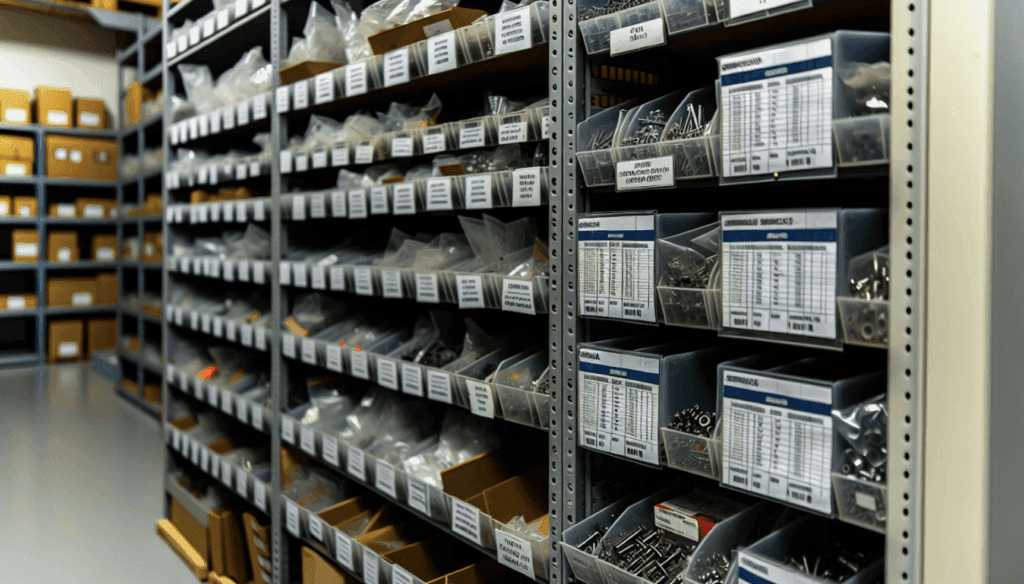
In asset-intensive industries, parts inventory management is what keeps production moving: higher productivity, less downtime, lower costs. Operations run smoothly only when employees can see inventory data and find a spare part without hunting for it. New equipment matters here too — its failures can derail a production schedule, so its spares belong in the system from day one.
A well-organized system like ToolSense pays off in cost savings, productivity, and efficiency. Streamline the process and cut the risk of downtime, and you keep the parts you need on hand without paying to warehouse a surplus you don't.
What Exactly Is Parts Inventory Management?
Parts inventory management is the work of organizing, tracking, and preserving spare parts so they're ready for maintenance and repair. Inventory control systems make that manageable. One is ABC analysis, which sorts items by consumption value: A components carry the highest value, B sit in the middle, and C the lowest. The method only works if your inventory counts are accurate to begin with.
XYZ analysis sorts items a different way — by how much their demand fluctuates. Run it through a computerized maintenance management system (CMMS) and it sharpens your broader asset management. Pair both with a criticality analysis, which separates the parts a system can't run without from the ones that barely matter, and you have a clear basis for setting inventory levels.
Benefits of Effective Parts Inventory Management
Effective parts inventory management can result in:
- Heightened productivity
- Reduced downtime
- Cost savings
- Enhanced overall efficiency
Stocking critical replacement parts cuts employee downtime and keeps metrics like wrench time from going sideways. Follow the best practices below and you hold costs down while keeping essential spares within reach. For teams that also run vehicles, pairing this with fleet management keeps parts aligned with each asset's service schedule.
Efficient Parts Inventory Management: 6 Strategies to Optimize Your Stock
Spare parts inventory is a balancing act — enough stock to meet service demands, not so much that it drains the budget — and it takes constant oversight to get right. The strategies below help organizations tune stock levels, simplify processes, and tighten operations. Standard operating procedures (SOPs) keep everyone on the same page about how to repair assets, laying out the best way to handle common equipment problems and protect critical machinery. A simple maintenance management software like ToolSense is the practical way to put these into action for work order management, giving you real-time accountability and accurate records.
1. Adopting a Proactive Maintenance Strategy
Reactive maintenance waits for equipment to fail, then deals with the fallout. Proactive maintenance does the opposite: regular inspections, preventive measures, and planned work to head off breakdowns and keep equipment performing. Bringing that proactive approach into parts inventory management prevents failures, lifts asset availability, lowers maintenance costs, and tightens inventory control.
Proactive maintenance can significantly reduce potential downtime by:
- Reducing the chances of malfunctions and breakdowns.
- Improving the reliability and availability of equipment.
- Minimizing the risks associated with operating unreliable assets.
- Taking preemptive measures to prevent machine downtime.
- Optimizing the equipment's performance for maximum efficiency and consistent output.

2. Utilizing Parts Inventory Management Software
Software like ToolSense gives you real-time inventory data, which makes parts decisions far easier to get right. A CMMS pulls maintenance data into one place that everyone in the process can reach — technicians, managers, stakeholders. They all work from a single source of truth, so nobody is acting on a stale spreadsheet.
Inventory management software, also known as an inventory control system, is designed to:
- Track, manage, and organize a company's surplus parts inventory.
- Provide real-time inventory tracking and accurate information regarding inventory levels, locations, and conditions.
- Automate tasks to minimize human error and avoid inventory discrepancies, maintenance delays, and cost overruns.

3. Implementing Inventory Control Best Practices
Good inventory control comes down to three habits: categorization, labeling, and regular audits. Together they hold stock levels accurate and keep costs in check — and accurate data is what makes every downstream decision easier.
Organizations can effectively implement spare parts inventory control best practices by:
- Categorizing and labeling their spare parts inventory system.
- Utilizing digitization and automation to monitor inventory levels.
- Performing regular audits.
These practices keep stock counts accurate while trimming inventory costs and lifting overall efficiency.

4. Optimizing Stock Levels and Replenishment Techniques
The trade-off is always the same: enough spare parts on hand versus the cost of storing and maintaining them. Spare parts inventory comes in three types:
- Surplus inventory: parts not in use in the immediate future.
- Stock parts: regularly maintained in inventory.
- Non-stock parts: not typically kept in inventory.
Replenishment techniques let you have parts where and when you need them without paying to sit on excess. Done well, stock optimization lands on the right side of that holding-cost versus stock-out trade-off — parts available, inventory lean.

5. Enhancing Supplier Management
Supplier management keeps the whole inventory operation efficient. The choice of supplier is the critical part — it determines whether you get a dependable, consistent supply of quality parts that actually fit your needs. From there, contracts and terms set clear expectations on both sides.
Supplier management involves:
- Sourcing
- Selecting
- Negotiating contracts
- Monitoring supplier performance
Monitoring supplier performance has several benefits, including:
- Ensuring the fulfillment of contract terms by suppliers.
- Identifying potential problems and areas for improvement.
- Enhancing supplier management.
- Ensuring the timely delivery and quality of spare parts.
- Contributing to efficient parts inventory management.

6. Training and Security Measures
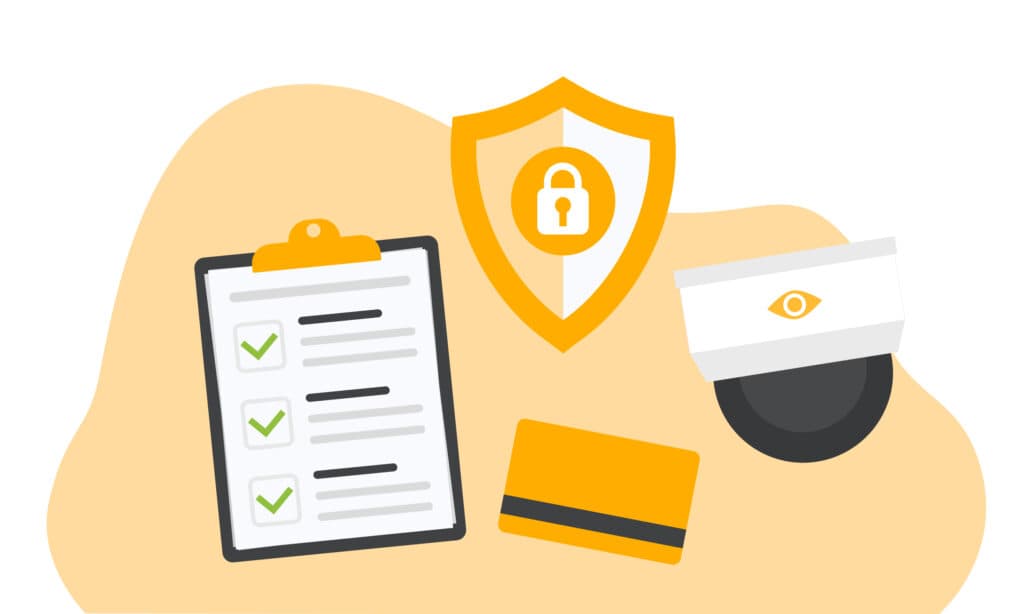
Security keeps inventory accurate, deters theft, and holds people to standard protocols. A practical setup is a "parts counter" with controlled access — badges or key cards to limit who gets in, cameras to record who does.
Tools and procedures only work if people use them, which is why training matters. Staff who know the standard processes — and the technology layered on top of them — keep shrinkage down and security tight, because they have the skills to handle loss and follow access controls and surveillance the way they're meant to be followed.
Training also keeps people watchful: a team that knows what theft looks like is far more likely to catch it early, which feeds straight back into lower losses.
ToolSense Parts Inventory Management Software: A Comprehensive Solution
ToolSense Parts Inventory Management Software brings spare parts inventory, process optimization, and efficiency under one roof. It covers real-time inventory tracking and value, reorder points and low-stock alerts, plus purchase and supplier management — built so your spare parts are always on hand and easy to find when a repair needs one.
The platform keeps inventory levels visible in real time, automates tracking and replenishment, and smooths out the workflows around them. That means less manual data entry, fewer counting errors, and inventory planning and forecasting you can actually trust. It also connects to systems like ERP and CRM, so data moves between them without anyone keying it in twice.
Features:
- Real-Time Asset and Inventory Tracking
- Advanced Analytics Dashboard and Reporting Tools
- Automated Workflows for Asset and Maintenance Management
- Mobile Accessibility for On-the-Go Management
- Customizable Reports for In-depth Analysis
-
Preventive Maintenance Scheduling
- Comprehensive Asset Lifecycle Management
- Fleet Management
- Work Order Management
- Inventory Management
- Document Storage and Safety Compliance Features
- Custom Checklists and Notifications
- SSO, Integrations & Languages
- IoT Hardware Compatibility
Conclusion
Asset-intensive industries can't run on guesswork about spare parts. Put the best practices above into action — and back them with a tool like ToolSense — and the gains show up in productivity, cost savings, and day-to-day operations. In a competitive market, investing in parts inventory management isn't a nice-to-have; it's what keeps you running over the long haul.
FAQ
How do you manage inventory for parts?
Managing inventory for parts requires organizing and tagging each part, creating a robust inventory list, handling the reordering process, maintaining accurate bills of materials, forecasting demand, and training employees.
What are the 4 types of inventory management?
Inventory management aims to streamline inventories, and common methods include JIT, MRP, EOQ and DSI.
What is the difference between reactive and proactive maintenance?
Reactive maintenance responds to equipment issues after they arise, while proactive maintenance takes preventive steps to anticipate and avoid them.
How can asset management software help optimize parts inventory management?
Software can optimize parts inventory management by providing real-time tracking, automating inventory tracking and replenishment, and optimizing inventory management workflows. This results in reduced manual data entry, errors, and enables efficient inventory planning and forecasting.
What are some best practices for inventory control?
To ensure successful inventory control, categorize products, label them appropriately, audit regularly, incorporate automation and digitization, and maintain an accurate bill of materials.