Equipment Management
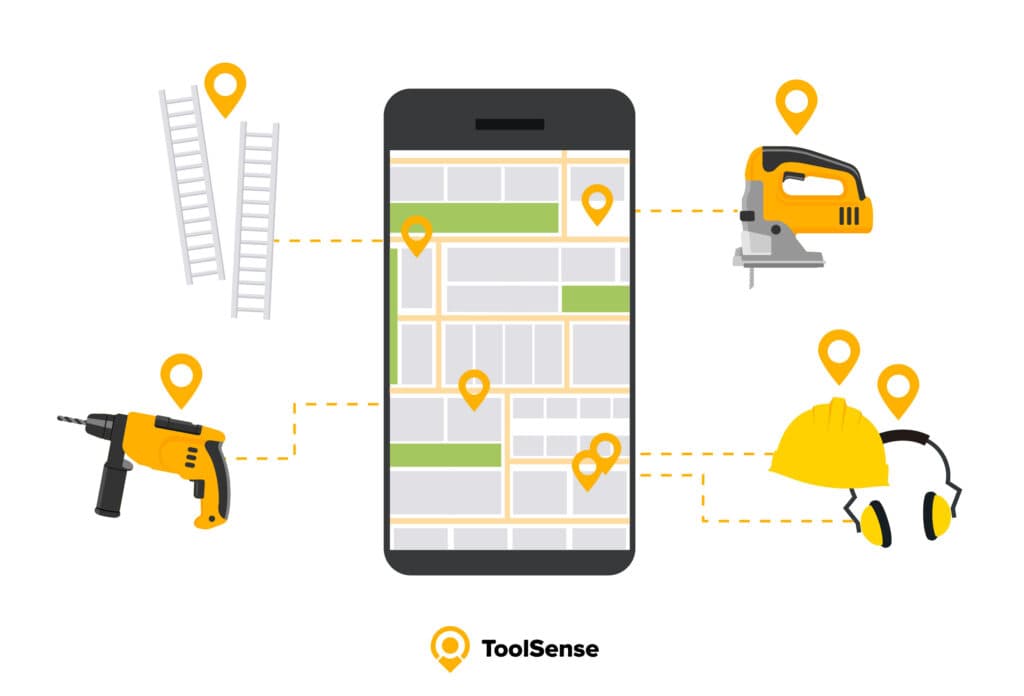
Theft and misuse eat into the value of every machine and tool you own. A GPS tracker fixes both problems at once: it shows you where an asset is in real time, so it stays secure and stays in use. This article walks through what a GPS tracker actually gives you, the types built for different kinds of equipment, and the day-to-day situations where tracking pays off.
KEY TAKEAWAYS
- GPS is an abbreviation for Global Positioning System.
- A GPS tracker for tools enhances security for high-value equipment by preventing theft and unauthorized use.
- Different types of GPS tracking cater to specific equipment needs, including heavy construction machinery, vehicles, and portable tools, ensuring durability and continual operation in harsh conditions.
- Key features of GPS tool trackers include real-time location updates, geofencing alerts, historical data analysis, and maintenance reminders, promoting operational efficiency and effective asset management.
- The best GPS equipment trackers are ToolSense Rocbird, Qtanium 400 and TS10.
- ToolSense offers a comprehensive solution that combines asset management, maintenance management, work order management and inventory management with modern IoT tracking devices, such as GPS trackers or Bluetooth sensors.
Equipment Tracking Devices
GPS Trackers
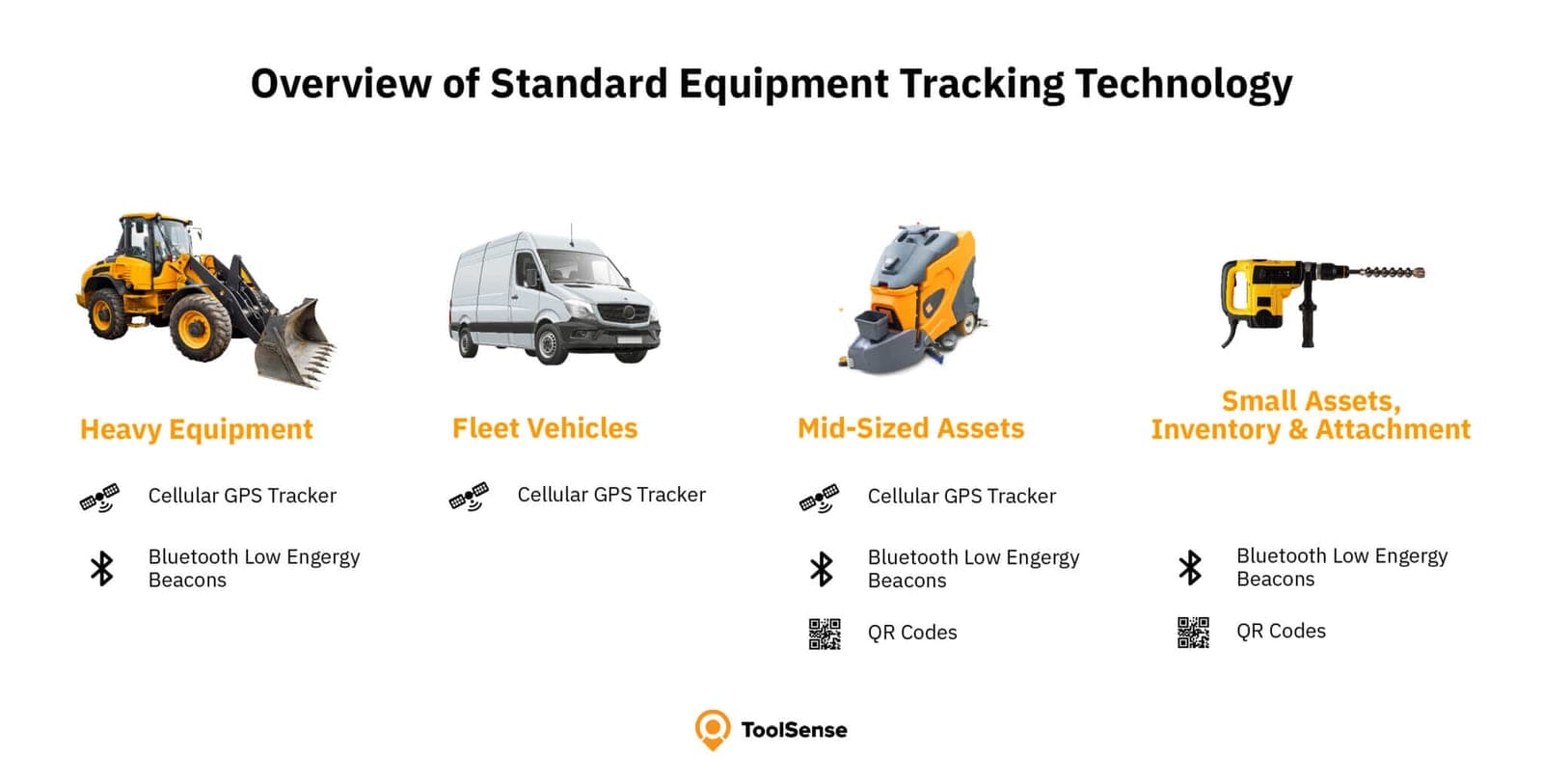
GPS (Global Positioning System) trackers read satellite signals to return precise, real-time location data for your equipment. That makes them the default choice for high-value assets like heavy machinery, vehicles, and portable tools. Coverage holds up in dense cities and remote sites alike, so monitoring never goes dark and your equipment stays both secure and accounted for.
Bluetooth Trackers
Bluetooth trackers are small, battery-powered devices that talk to nearby smartphones or a central gateway over Bluetooth. They suit short-range tracking, which is why they tend to land on tools and smaller equipment. Within their range they push real-time location updates, a good fit for indoor settings such as warehouses or job sites. You read the data through a mobile app, so finding an asset takes seconds.
RFID Tags
RFID (Radio Frequency Identification) tags identify and track items using radio waves. Tags come in two forms — passive, with no power source, or active, with a battery — and both report location data back to RFID readers. RFID shines in inventory management and across large volumes of equipment, since a reader can scan and identify many items at once and keep the whole process moving.
QR Tags and Barcodes
QR tags and barcodes are visual codes you scan with a phone or a dedicated scanner to pull up information about the tagged item. They cost little and take almost no effort to roll out, which makes them a common pick for smaller tools and equipment. One scan surfaces the item's location, usage history, and maintenance records.
Learn more about the different equipment tracking methods in our article.
Why GPS Trackers Are Essential for Equipment Security
A GPS tracker keeps high-value equipment from being stolen or used without authorization. In construction, manufacturing and facility management — sectors where a single stolen machine can mean a serious financial hit — that protection matters. Real-time location updates and instant alerts tell you where every asset is, which is the foundation of any theft-prevention setup.
Custom notifications let you watch your fleet without staring at a screen. Spot unusual movement, act fast, and a theft never gets off the ground. Geofencing builds on this by flagging the moment equipment leaves an area you've marked, so unauthorized movement triggers an alert right away.
Together these features make stolen tools far easier to recover and give you a coherent way to manage valuable equipment. Constant visibility over your assets cuts risk in a way occasional check-ins never can.
Types of GPS Trackers for Different Equipment
Different equipment calls for different trackers. Heavy construction machinery like excavators and bulldozers needs solutions that report location, usage, and status in real time, and many of these units add shock-mode alerts and the kind of durability and accuracy a construction site demands.
Cars and heavy goods vehicles are better served by OBD and hardwired GPS trackers. OBD trackers plug into the vehicle's on-board diagnostics port, draw power from the electrical system, and return detailed performance data. Hardwired trackers connect straight into the equipment's electrical system for uninterrupted monitoring and compliance.
For smaller tools and non-powered assets, a battery-powered GPS tracker is the flexible option. It attaches without wiring and tracks on its own, which works well for tools and generators. Bluetooth and RFID devices cover their own niches alongside it. For mixed vehicle fleets, the same GPS data also feeds into fleet management workflows. Whatever the technology, durability is non-negotiable on construction sites — a tracker that can't survive heat, water, and dust isn't worth installing. GPS, Bluetooth, and RFID each add a piece to a complete equipment-management picture.
How does Tool Tracking via GPS work?
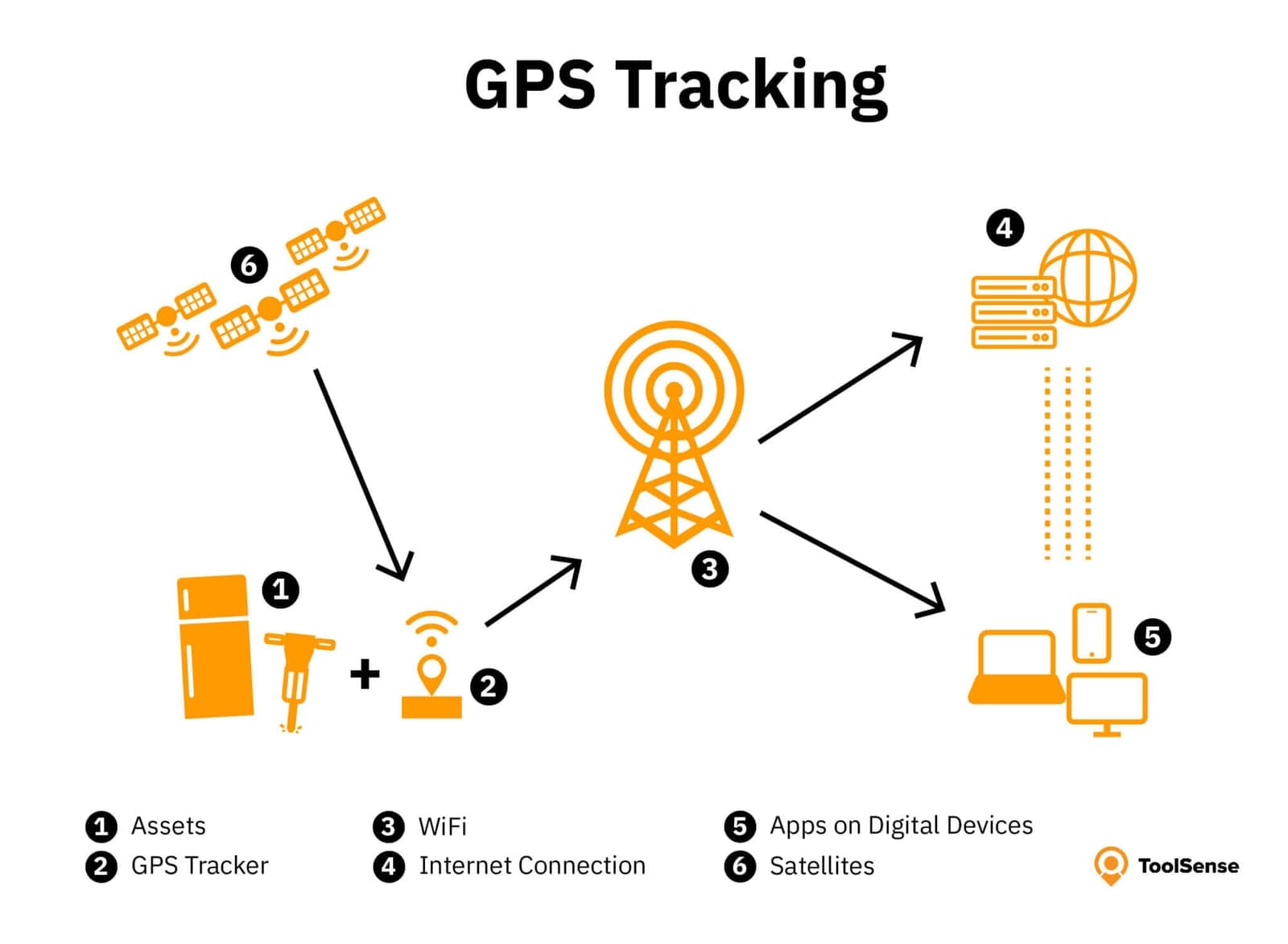
The Global Positioning System is a network of satellites orbiting Earth. Each one emits signals that a GPS tracker — on a piece of construction equipment, a mobile phone, anything — can pick up.
By processing those signals, the device works out its exact position anywhere on the planet. Two caveats are worth knowing: GPS struggles to reach through solid structures like walls, and atmospheric conditions can introduce a margin of 5 to 10 meters.
Features of GPS Tool Trackers
Before committing to a construction equipment GPS tracking system, it pays to weigh what each one actually does. Here are the features worth holding any reliable equipment tracker against:
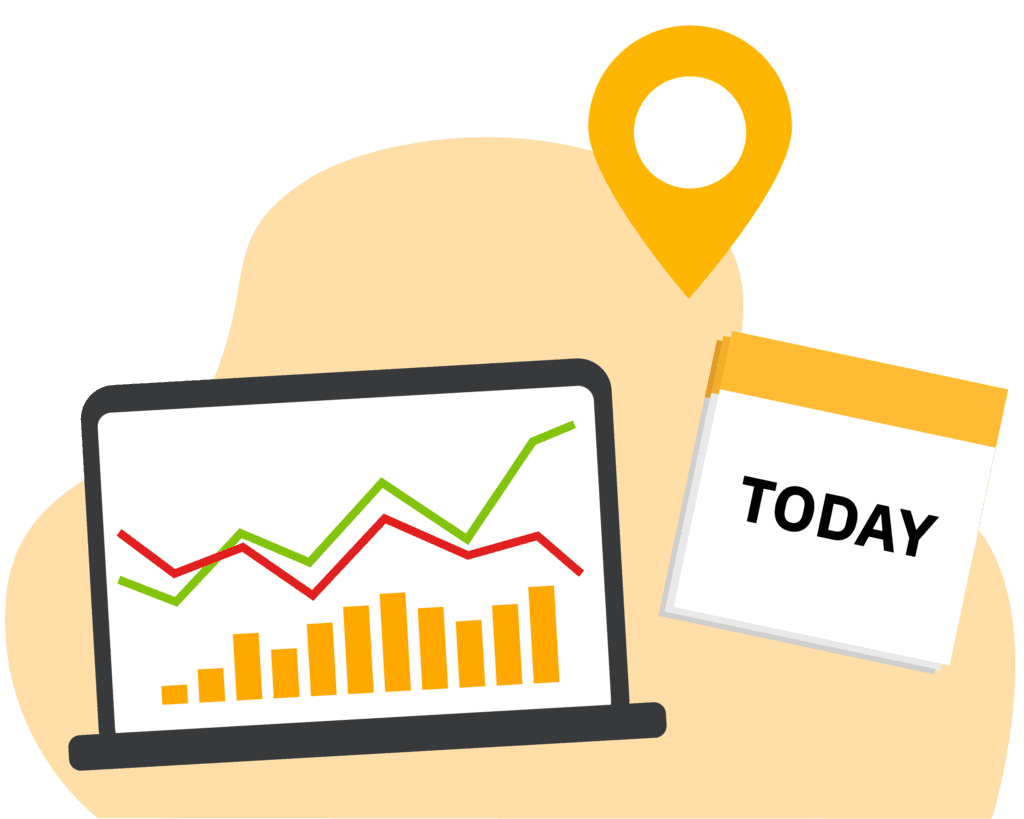
1. Real-Time Data and Vehicle History
Real-time insight is the non-negotiable feature of GPS tracking for construction equipment. Knowing exactly where a machine sits is vital to prevent loss or theft, and it also lifts asset utilization. A vehicle's history — engine hours, past locations — reveals how hard it's worked and how critical it is, which in turn shapes a smarter maintenance plan. Because so much rides on that data being accurate, it's worth pairing reliable asset tracking software with the right GPS tracker.
2. Customizable Alerts
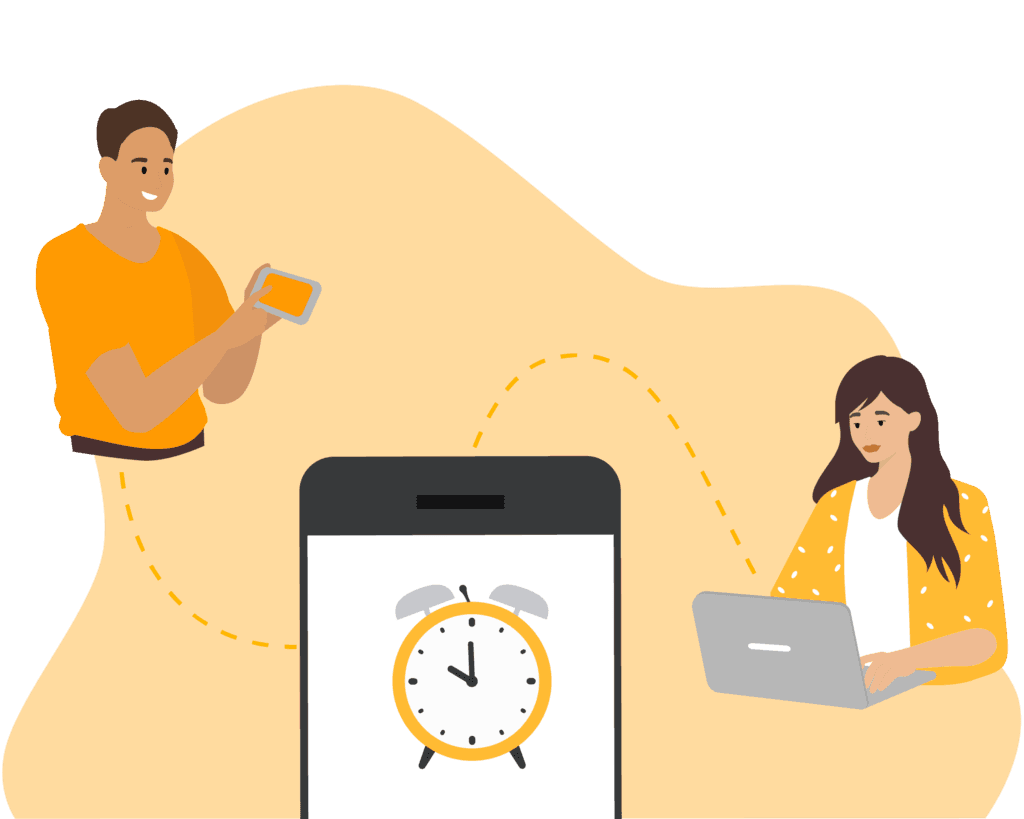
Equipment tracking software lets companies tailor alerts and deliver them as in-app notifications or emails, flagging runtime issues or problems on any machine carrying a GPS tracker. Some platforms also let you draw a geofence — an invisible boundary. The moment a vehicle or piece of equipment crosses it, the right people get notified, which helps to prevent potential asset theft or misuse.
3. Reporting and Analytics
Modern IoT tools, GPS tracking for construction equipment included, should ship with advanced reporting and analytics. Collecting data is only half the job; making sense of it and presenting it clearly is what turns it into decisions. With that deeper view of each asset, companies can isolate problem areas, set criticality levels, build sharper maintenance plans, and get more out of the equipment they already own.

4. Maintenance Management
Regular maintenance
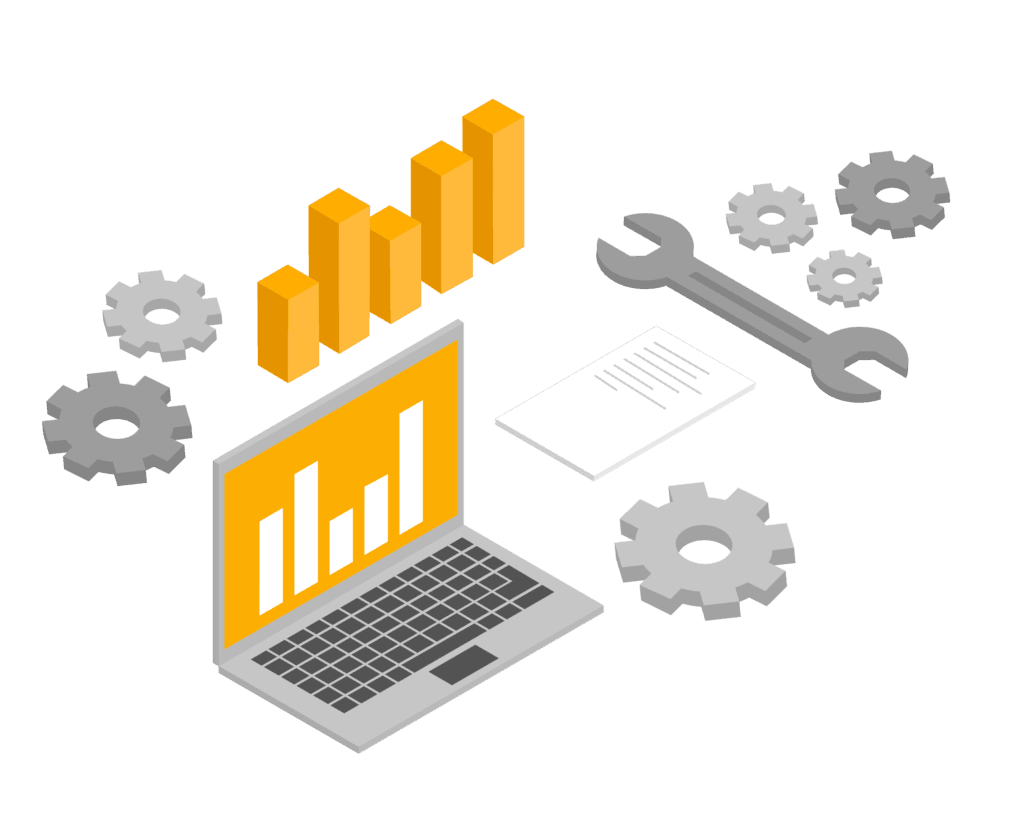
keeps construction equipment running well, but deciding how often to service a machine and who should do it is rarely straightforward — and making sense of the latest inspection findings adds another layer. GPS tracking for heavy equipment gives companies more than location: they can pull machine data, build a maintenance schedule from it, and organize inspections and repairs inside the same software.
5. Work Order Optimization
Work orders get complicated fast when crews are spread across separate sites. To keep them moving, construction GPS equipment is commonly paired with software that lets employees issue and receive orders from anywhere, anytime. That matters most for critical maintenance and inspections, the tasks on-site workers are most likely to let slip.
GPS Tool Tracker – Track Vehicles and Heavy Equipment
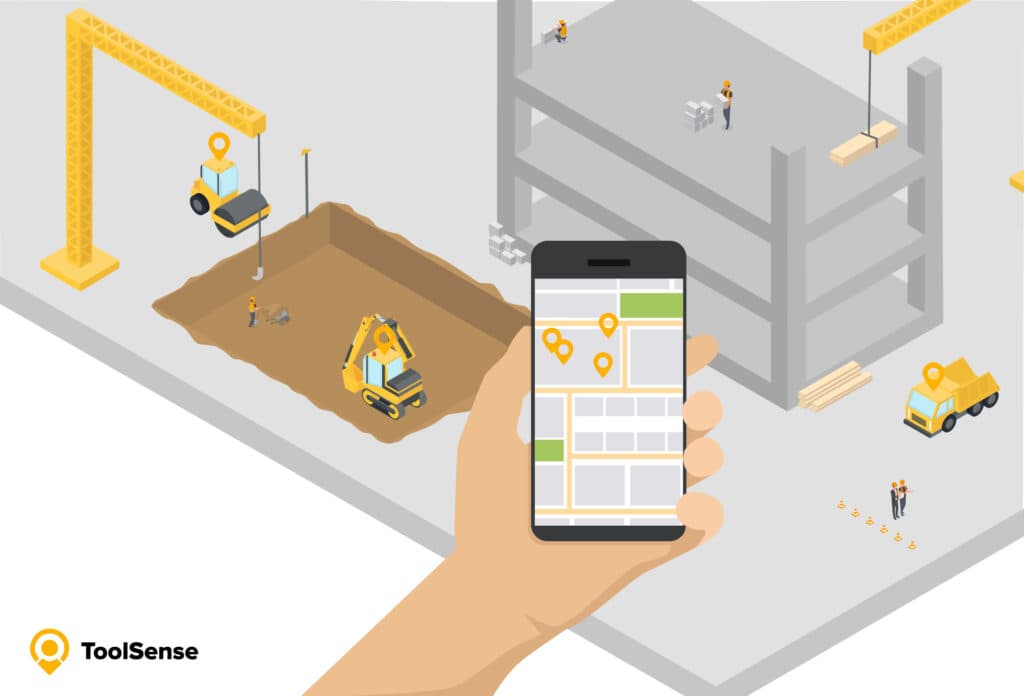
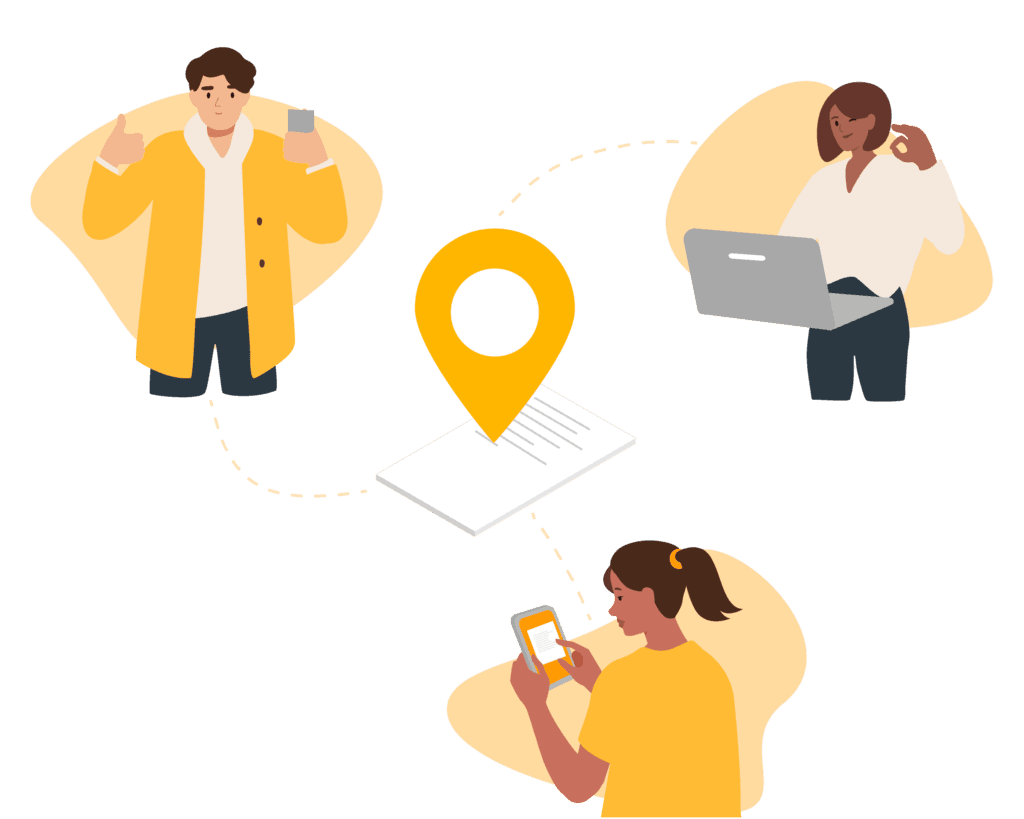
Rugged GPS trackers take a beating and keep working, logging location alongside detailed engine metrics like operating hours and fuel consumption. That combination is exactly what heavy machinery and construction equipment need to stay well-used and well-maintained. On heavy goods vehicles, hardwired trackers earn their place on compliance alone, layering in advanced analytics on both vehicle and driver behavior.
For non-powered assets, a battery-powered tracking device mounts securely and runs for a long time on a single charge — ideal for smaller tools and generators that need a flexible, dependable option. Pair barcode technology with GPS tracking and inventory management for those smaller tools tightens up too, with better traceability and nothing slipping through the cracks.
Put these technologies together and you cover powered and non-powered assets in one approach. Compliance, operational efficiency, lower rental costs, cleaner inventory — a GPS tool tracker delivers real value for any business that leans hard on its equipment.
4 Use-Cases for GPS Equipment Tracking
1. As a Geofence
A geofence is a virtual boundary — an invisible perimeter drawn from GPS signals. When a device carrying an equipment GPS tracker crosses that line, the company gets an alert. It's one of the cleanest ways to head off theft and misuse, and if something does go missing, businesses and law enforcement can use the tracker to locate the stolen equipment quickly.
2. To Improve Safety
Pairing telematics with GPS tracking opens up a detailed view of how vehicles get used. Telematics can watch speed, braking, and how a driver takes corners. The right software reads those signals as risk factors and suggests where safety could improve. Companies then use the data to coach staff and run targeted training that curbs risky driving.
3. To Optimize Your Maintenance Strategy
GPS for construction equipment delivers more than location. With the right tracker-software pairing, companies can follow runtimes, distances traveled, upcoming service, and more. That data points to the appropriate maintenance intervals for each asset, set by runtime or mileage, so equipment stays in good condition. Depending on the provider, you can also book appointments and assign maintenance tasks to specific people inside the maintenance software or app.
4. For Remote Site Management
When work order management is built into the tracking software, companies can manage construction sites and other workplaces from a distance. Staff issue work orders tied directly to an asset and get updates as tasks close out. GPS tool trackers also help deploy machines, coordinate crews, and oversee maintenance — which makes them hard to do without for efficient site management.
The 3 Best GPS Trackers for Tools and Equipment
ToolSense Rocbird
ToolSense brings equipment tracking, maintenance management, inventory management, and work order management together in one solution. It runs on a range of IoT options — GPS trackers, Bluetooth sensors, and unique QR codes — so you can mix and match the tracking method that fits each asset best.
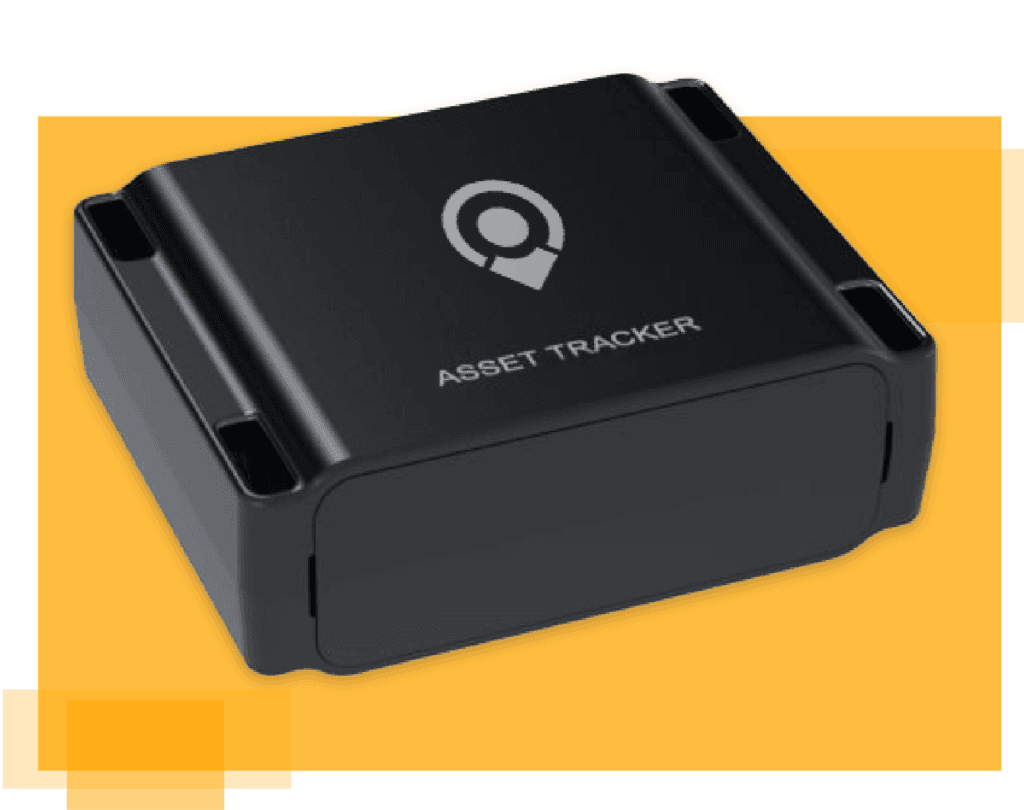
The Rocbird is ToolSense's own tracker: a small GPS device that attaches to machines, containers, tools, and more without getting in the way of the work. It tracks location reliably worldwide, and its IP68 rating keeps water, mud, and dust out, which suits outdoor and construction equipment.
The cloud-based software and mobile app let employees issue and receive work orders and reach maintenance schedules, checklists, and any other files stored in an asset's lifecycle folder. ToolSense becomes a single source of truth for everything tied to your equipment, sends customizable reminders, and surfaces insights and analytics that sharpen both utilization and maintenance strategy.
Aside from the Rocbird, ToolSense offers different hardware components to upgrade your IoT-based equipment tracking options
.
Qtanium 400
The Qtanium 400 tracker and its software are a solid match for heavy equipment. Its IP64 rating and geofencing make it well-suited to construction machines and other vehicles that meet plenty of rain and mud. It also delivers useful reporting and lets companies schedule and manage maintenance appointments within the software.
TS10: Plant Machinery GPS Tracker
On a tighter budget, the TS10 Plant Machinery GPS tracker is the more affordable route. It's waterproof, quick to install, and stays out of the way. Real-time tracking and geofencing alerts sent straight to your phone give it strong theft protection, and the TS01 Plant Machinery GPS tracker opens up the vehicle's full movement history for analytics and planning.
Comparison Table
The following table showcases the three introduced GPS devices and compares certain key features.
| ToolSense Rocbird | Qtanium 400 | TS10 Plant Machinery GPS tracker | |
|---|---|---|---|
| Suitability | For all types of equipment | Most suitable for heavy equipment | Most suitable for heavy equipment |
| Waterproof Rating | IP68 | IP67 | IP67 |
| Geofencing | Yes | Yes | Yes |
| Phone Alerts | Yes | Yes | Yes |
| Insights | Extensive insights | Extensive insights | Only vehicle history |
| Maintenance Management | Yes | Yes | No |
| Work Order Management | Yes | No | No |
| Free Trial Available | Yes, learn more | No | No |
Conclusion
Track your equipment and the payoffs stack up: theft protection, better maintenance, safer operation, and stronger margins. GPS tracking — reading the signals from satellites orbiting Earth — is among the simplest and most dependable ways to locate and follow your assets, and it's the groundwork for serious asset management and higher utilization.
ToolSense packages this into one easy-to-use platform that fits any type of business or industry. It works with GPS equipment trackers, but also with Bluetooth sensors, RFID chips, and QR codes — so you keep maximum flexibility while still getting the features you can't go without, like remote access through an app, smart lifecycle folders, and detailed analytics. Asset tracking, asset management, maintenance management, inventory management, and work order management all live in a single platform, which means you cover every daily workflow without buying several expensive tools to do it.
FAQ: The Best GPS Tracker for Equipment and Tools
FAQ
How do GPS trackers help prevent equipment theft?
An equipment tracking system effectively prevents equipment theft by offering real-time location tracking and instant alerts for unauthorized movements, enabling swift intervention to protect assets.
What types of equipment tracking are available for different assets?
There are several types of GPS equipment tracking tailored for different equipment, including heavy machinery, vehicles, and battery-powered options for smaller tools. Selecting the appropriate equipment tracker ensures optimal tracking and management of your assets.
How does geofencing work in GPS tracking systems?
Geofencing in GPS tracking systems enables users to create virtual boundaries and receive notifications when tracked assets breach these areas, thereby improving security and operational management.
What are the key features of GPS tool trackers?
GPS tool trackers offer precise location updates, route optimization, geofencing, historical data analysis, speed monitoring, and maintenance reminders, ensuring effective asset management and tracking.
Can GPS trackers be used for non-powered assets?
Yes, a battery-powered GPS tracking device is effective for non-powered assets such as tools and generators, ensuring reliable and long-lasting location tracking.