Equipment Management
Lost and misplaced equipment costs more than most teams realize. Efficient asset management saves time and money and cuts the risk of theft, and Bluetooth tracking is one of the more practical ways to get there. It gives you real-time monitoring, runs on very little power, and slots into the systems you already use.
Key Takeaways
- Bluetooth equipment tracking is a system that utilizes wireless communication between BLE tags and devices to monitor and manage assets.
- It has features such as device compatibility, finding network, separation alerts, connectivity, volume design and security measures.
- ToolSense provides hardware as well as software/mobile apps for comprehensive monitoring & management solutions to help businesses effectively implement an asset management system.
What Exactly Is Bluetooth Equipment Tracking?
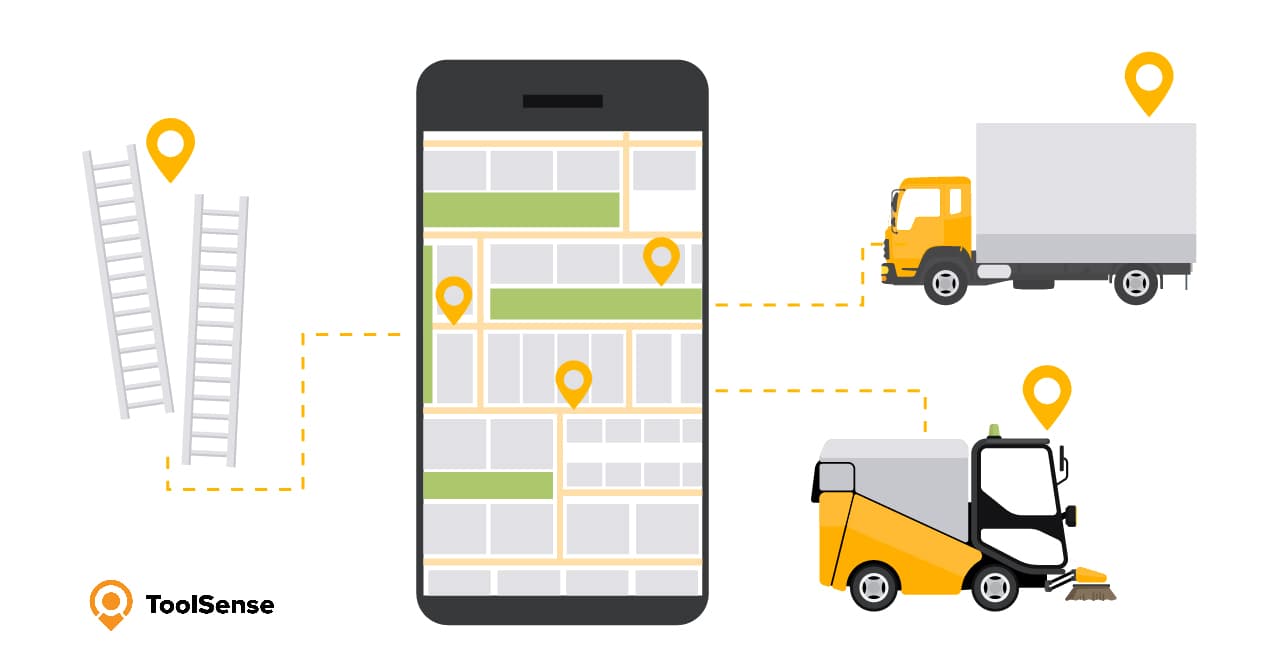
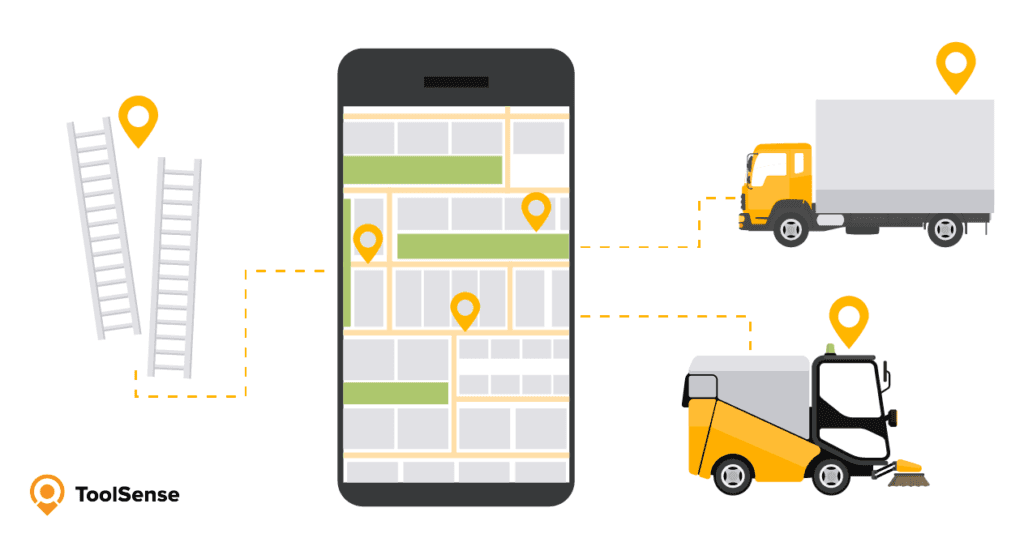
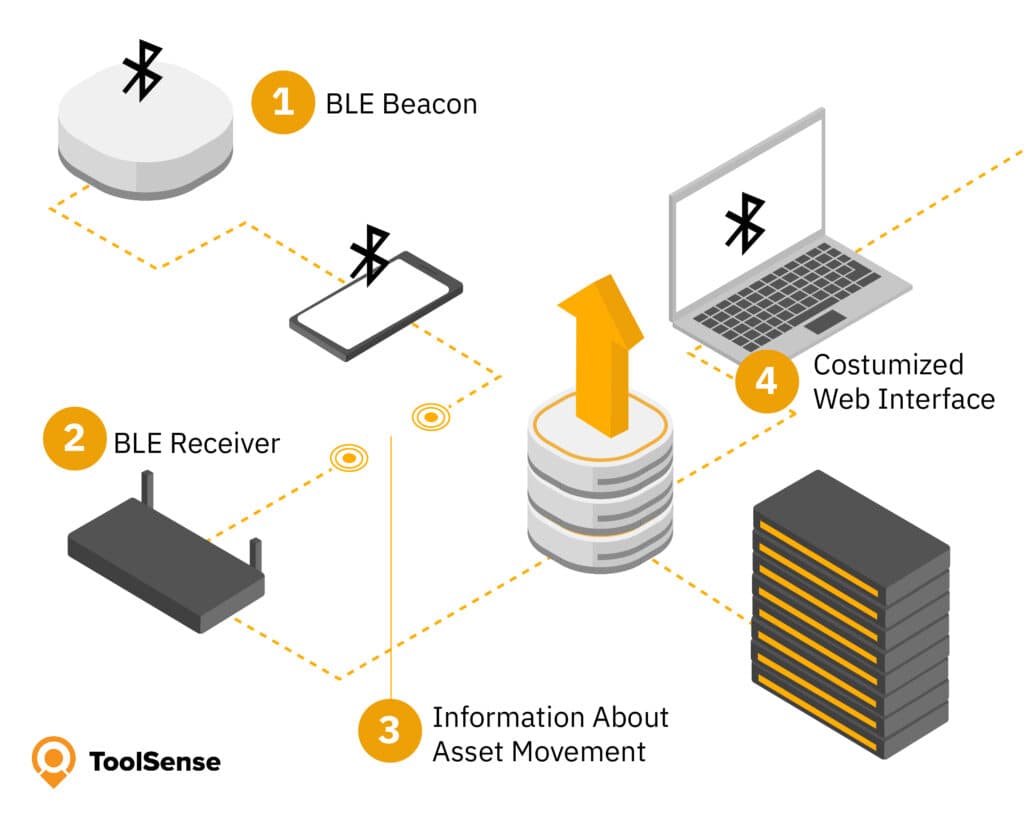
At its core, the technology pairs Bluetooth Low Energy (BLE) tags with nearby devices to run equipment tracking on a wireless asset management platform. Custom separation alerts tell users when an item has been left behind, or when an object was last seen. Gateways connected to smartphones, backed by cloud software, do the heavy lifting. The result is sharper asset visibility: live location data plus automated notifications about servicing and inventory.
Applications of Bluetooth Tracking
Bluetooth trackers help organizations work more efficiently, spend less, and tighten security. A few of the better-known devices on the market are the Oyster Edge and the Nutale Key Finder, both real-time location systems built on Bluetooth Low-Energy technology. They offer custom mapping features in the same vein as the Tile tracker and its app. Tool monitoring is another common use case, and because an unlimited number of users can access the system at once, whole teams can manage assets together. Before you commit to a specific system, weigh the factors that actually matter: compatibility, network availability, alert options, connectivity strength, volume, and design.
Comparing Asset Tracking Technologies
Asset tracking spans
several technologies
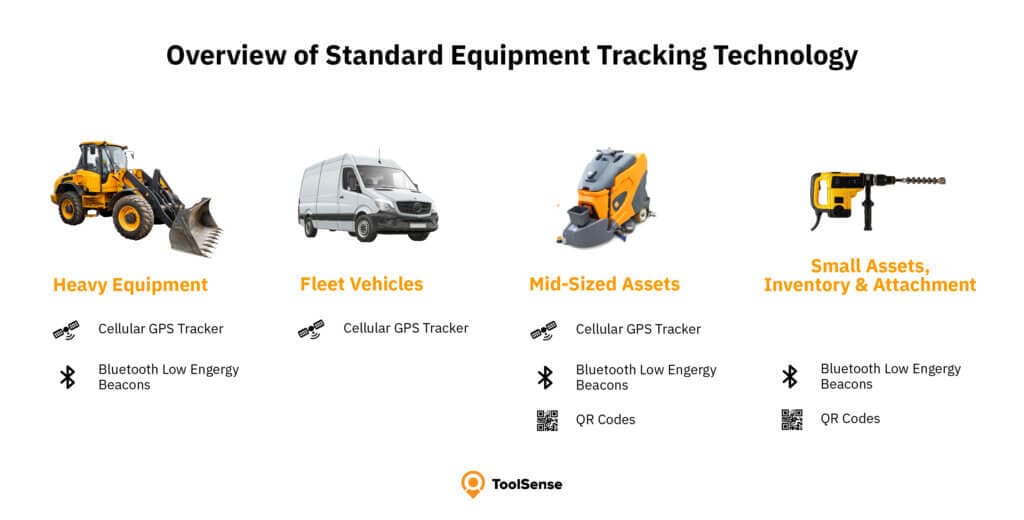
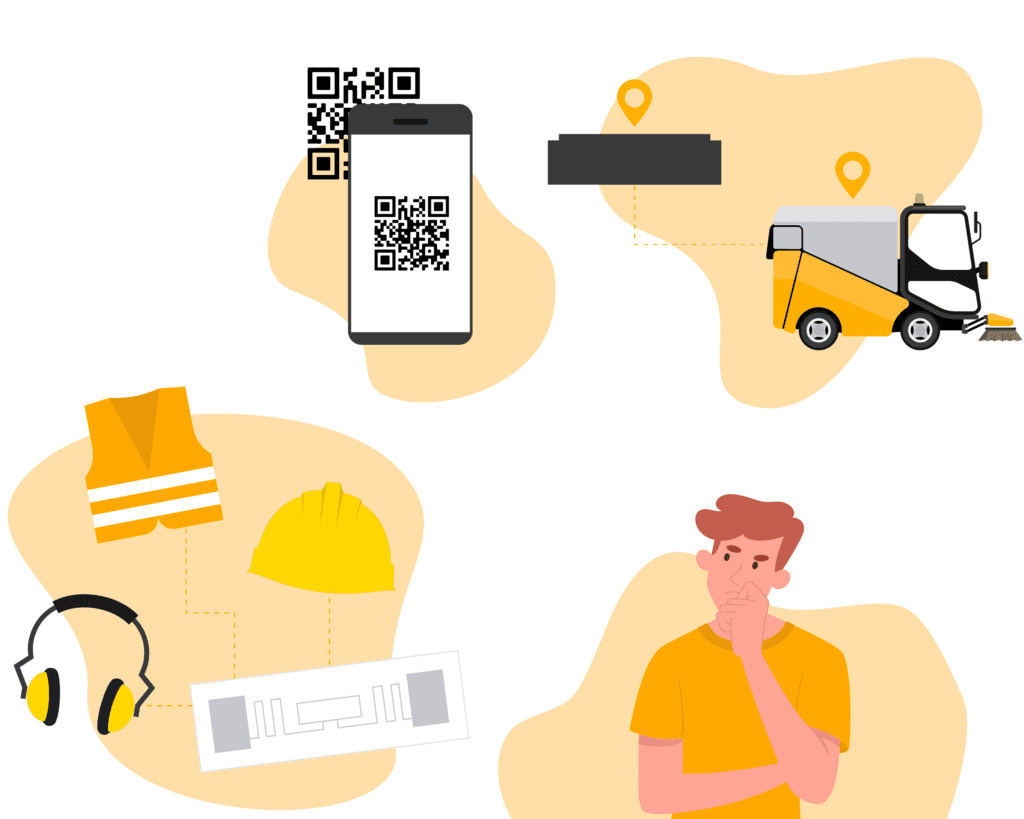
— Bluetooth trackers, GPS systems, and RFID tags — and each fits a different job. Bluetooth trackers rely on wireless communication between BLE tags and devices, so their range is limited. GPS, by contrast, follows assets via satellite signal across long distances. RFID tags tend to handle inventory in stores and warehouses, and QR-code systems do similar work, letting staff scan items to check their whereabouts.
There is no single best option. The right choice depends on the job, so it pays to determine which one suits your needs best before buying. Match the technology to the use case and you get the most value out of it.
Key Features of Bluetooth Equipment Trackers
A few key elements separate a Bluetooth tracker that works for you from one that doesn't. Before choosing, weigh:
- Compatibility with existing systems
- Alert customizability
- Range
- Safety features
- Update intervals
- Sleep mode options
- Geofencing settings
- Design
- Accompanying software
- Usability
- Installation requirements
Benefits of Bluetooth Equipment Tracking
Bluetooth-based tracking has earned its popularity in asset management for good reasons. The main ones:
Cost effective: Bluetooth solutions such as the Tile Mate usually cost less than GPS or RFID. There's no expensive infrastructure to build out and no steep subscription fees for location data.
Scalability: A Bluetooth setup grows with you. Adding new devices to the network is usually a quick job, so a system that starts with a handful of assets can scale to many.

Low power consumption: BLE was built to sip power. Tracking devices run for long stretches on a single charge, which keeps maintenance and replacement costs down.
High precision: Bluetooth can pin a location down to a few meters — accurate enough for serious asset management and inventory control.
Geofencing: Set virtual boundaries and get an alert the moment equipment crosses one, in or out.
Indoor tracking: Where GPS signals fade or go missing, Bluetooth holds up. It's a natural fit for warehouses, factories, offices, and other indoor spaces.
Real-time tracking: Many systems report location and status in real time or close to it, so you can watch equipment move. That helps both security and day-to-day operations.
Integration: Tracking data flows into other systems — inventory management, asset tracking software — which makes analysis and reporting far less manual.
User-friendly: Setup and daily use are generally straightforward, so staff get up to speed fast.
Multi-purpose: A Bluetooth-equipped device isn't limited to tracking. The same beacon can transmit other data or messages, opening the door to extras like proximity marketing.
Customization: Most apps and platforms let you tailor alerts, notifications, and reports to how your business actually works.
Security: Encryption and authentication keep tracking data out of the wrong hands.
Privacy-friendly: Bluetooth tracking can be built around privacy. Unlike some alternatives, it doesn't depend on personally identifiable information (PII), and it can run with user consent and proper safeguards in place.
Robust ecosystem: Bluetooth is everywhere, with a deep pool of compatible devices, hardware, software, and vendors to choose from.
Low maintenance: A Bluetooth tracking system asks for little upkeep, which keeps downtime and disruption to a minimum.
Put together, these make Bluetooth a versatile, cost-effective pick for equipment tracking — especially when precision, indoor coverage, and real-time monitoring are non-negotiable. Even so, evaluate any system against your own requirements before you commit.
Challenges and Limitations of Bluetooth Equipment Tracking
No technology is without trade-offs, and Bluetooth is no exception. Slow data transfer, security gaps, distance limits, battery drain, and questions around accuracy and scale all come with the territory. Busy environments add latency and the chance of signal interference, and privacy concerns can surface too. Knowing where the weak spots are before you choose is the surest way to land on a system that actually fits.
Bluetooth Equipment Tracker Alternatives
Bluetooth isn't the only way to track an asset, and for some jobs it isn't the best one. GPS trackers use the Global Positioning System to follow objects or people. RFID tags transmit data over radio waves and show up most often in inventory monitoring and animal identification. And QR-code-based systems add another option: scan a code with a phone or other device and you pull up the information tied to that item.
How to Choose the Best Bluetooth Tracker
Picking an asset tracking solution comes down to matching the device to the asset. Look at the size and weight of the BLE tag, how long it lasts, and how much energy it draws. Factor in how well the technology scales, how precise the data needs to be, and how much each tracked item is worth. Weigh the cost of a loss or theft against the value of the asset, and account for the geography it will live in. Finally, look at how easy the system is to install and what it costs to buy and maintain over time. Get those inputs right and you'll land on a setup that keeps management running smoothly and pays off over the long run.
Why ToolSense Is the Best Bluetooth Equipment Tracking Provider
ToolSense builds its Bluetooth-based asset tracking around the customer, with expert support and integration that fits into existing systems rather than replacing them. The platform delivers real-time asset surveillance and data analysis for industries as varied as construction, education, transportation, and mining. It pairs cloud-based software with modern Internet of Things (IoT) hardware to keep equipment monitoring efficient.
Getting started is quick. Existing equipment lists import into the ToolSense platform through a simple Excel upload, so implementation doesn't drag. Every asset gets its own lifecycle folder that holds the details that matter — usage, location, downtime, related work orders, maintenance history, invoices, warranty information, photos, videos, and more. Staff reach all of it from desktop software or a mobile app, wherever they happen to be working.
Tracking is only part of the picture. Alongside asset tracking via IoT, ToolSense offers analytics features that surface each asset's usage, location, and maintenance status, so decisions rest on data rather than guesswork. The work order management feature lets employees issue and receive work orders from anywhere, which sharpens maintenance management across sites.
Evaluating Equipment Tracking Software and Mobile Apps
Choosing the right software or app means looking past the marketing and checking the things that decide whether it works in practice:
- Compatibility: Make sure the software or app works with your existing hardware, such as Bluetooth-enabled devices and smartphones. Mismatches lead to functionality problems.
- Range and coverage: Evaluate Bluetooth range and coverage. Different versions (Bluetooth 4.0, Bluetooth 5.0) reach different distances, so match the solution to the size and layout of your environment.
- Tracking accuracy: Assess how precise the location data is. High-precision tracking matters for valuable assets, so favor solutions with real-time or near-real-time accuracy.
- Battery life: Weigh the software or app's impact on device battery. Some are tuned for minimal power draw to stretch battery life.
- Scalability: Confirm the software or app can grow with you. Whether you track a few assets or thousands, it should handle the load.
- Integration: Check whether it connects to systems you already run, such as inventory or asset tracking. Clean integration saves time and resources.
- User interface and usability: A user-friendly app or software shortens the learning curve and keeps the team moving.
- Data security: You're tracking valuable assets, and a breach can do real damage. Look for encryption, access controls, and authentication.
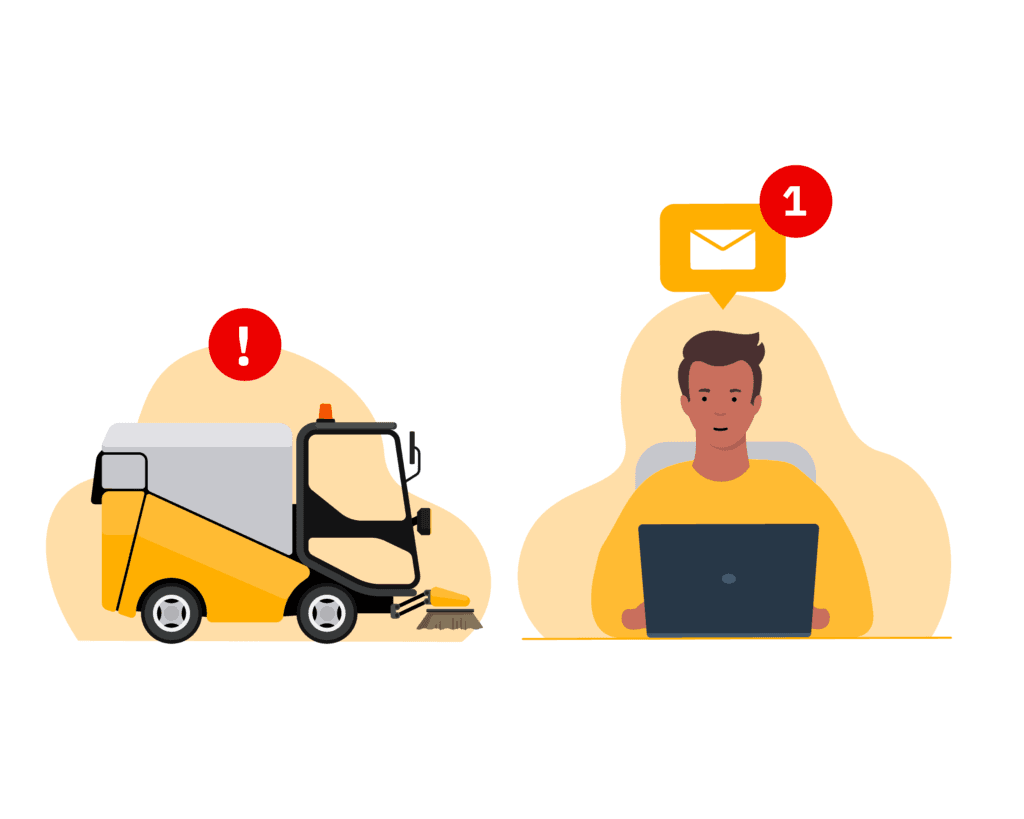
- Alerts and notifications: Favor customizable alerts. You should be able to flag events like asset movement, low battery, or device disconnection.
- Reporting and analytics: Strong reporting turns tracking data into insight on asset utilization, which helps you optimize operations.
- Cost: Account for total cost of ownership — upfront, subscription, and any extra hardware — and compare pricing models across providers.
- Support and maintenance: Research the support on offer. Fast response times and reliable help matter most when something breaks.
- Future-proofing: Think long term, and consider how well the solution adapts to emerging technologies and industry trends.
- Compliance and regulations: Confirm the solution meets relevant industry regulations and data privacy laws. Non-compliance can mean legal trouble and fines.
Work through these, do the research, and you'll find the tracking system or app that lines up with your organization's goals.
Implementing Bluetooth Equipment Tracking in Your Business With ToolSense
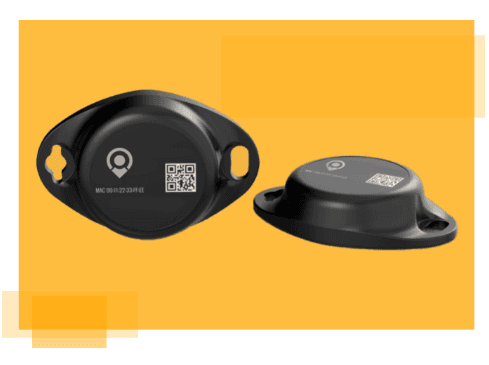
With ToolSense, rolling out Bluetooth equipment tracking comes down to IoT trackers and beacons. The platform brings together the tools you need — tracking assets, monitoring maintenance performance, inventory control, and work order processing — each one adjustable to how your company operates.
A successful rollout starts with the right hardware. From there, it's about getting people comfortable with the tools, so the team understands the new software and hardware and uses it well. Once the asset list is imported, employees can start putting modern IoT solutions to work day to day — deterring theft, tightening maintenance, and keeping an eye on equipment across locations.
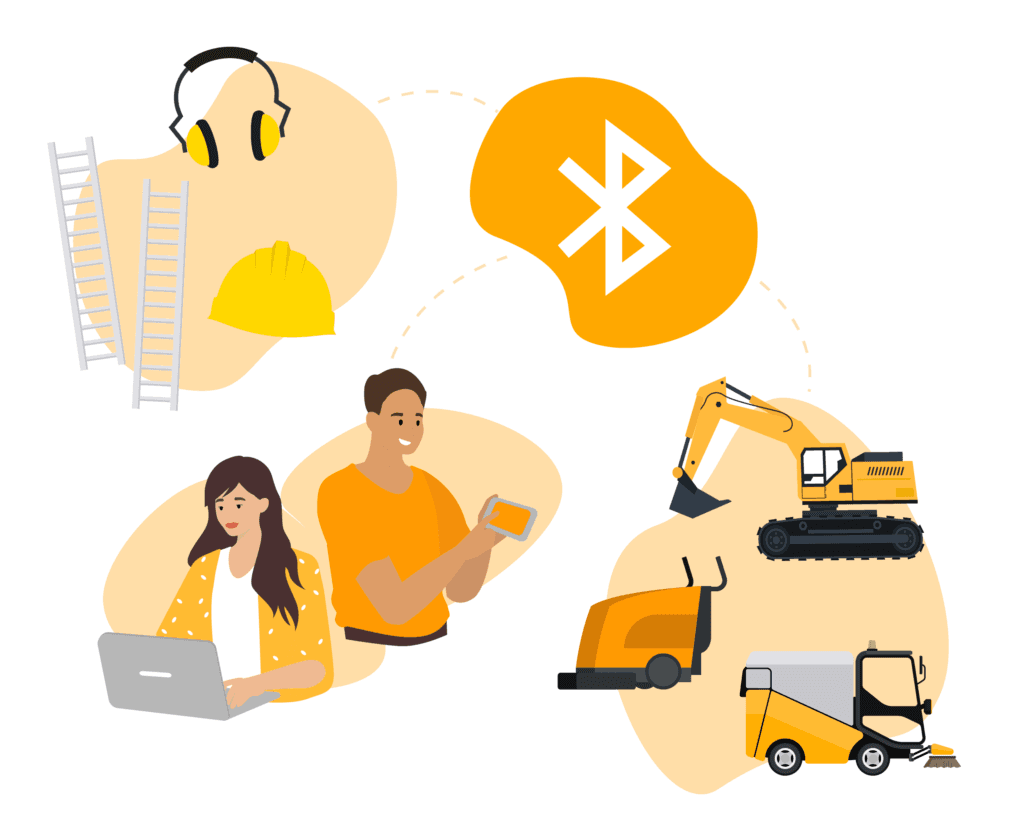
For vehicles and a wider mixed equipment fleet, Bluetooth tags are often combined with GPS trackers so each asset uses the technology that fits it best.
ToolSense Bluetooth trackers are best suited to track the following equipment:
- Mid-sized and heavy machinery and equipment (over short distances)
- Light equipment
- Small assets, such as IT hardware
SIRIN
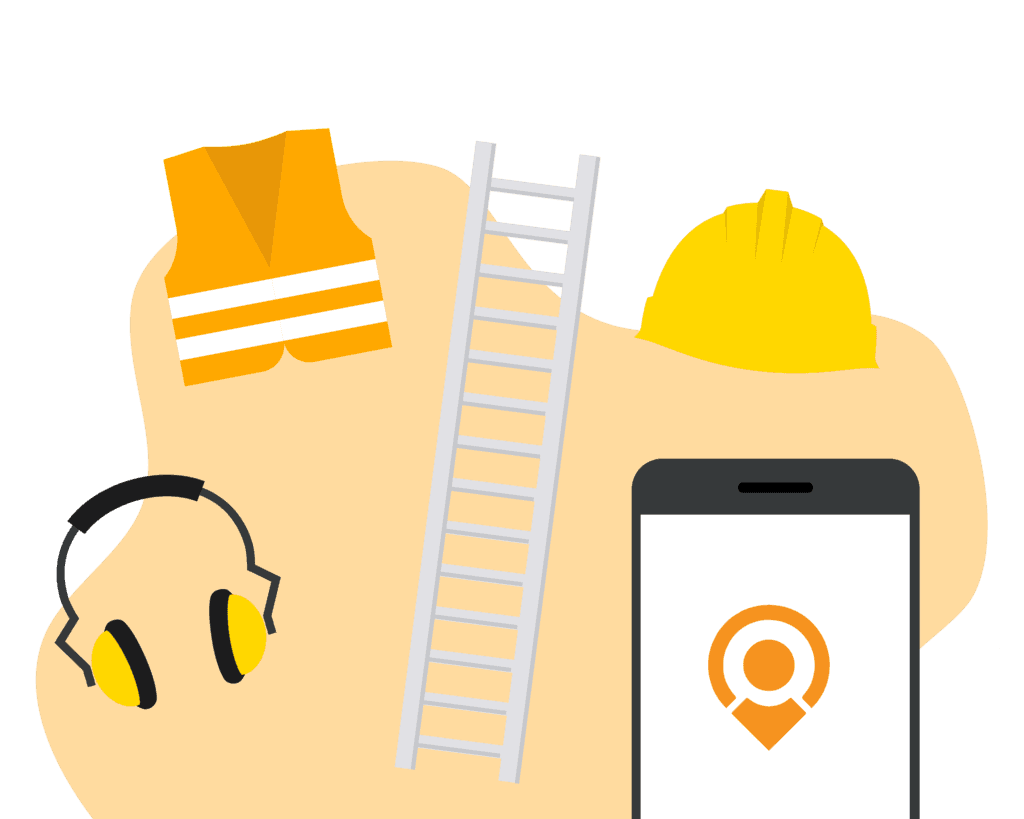
- For low-cost assets (ladders, power tools, vacuums and more)
- Captures location & sends over gateway
- 10 years battery lifetime
Conclusion
For a business of any size, Bluetooth tracking is a sensible way to keep tabs on assets. It brings real-time updates, a low price, an interface staff can actually use, and easy compatibility with IoT systems. Just keep the trade-offs in view — device size and durability, energy needs, room to scale, accuracy, and the value of what you're tracking — before settling on a system. Get it right and the return shows up as higher productivity, lower costs, and firmer control over your resources.
FAQ
Can Bluetooth be used as a tracking device?
Tracking devices, such as Tile® Mate and AirTag®, use a Bluetooth peer-to-peer network which, when combined with the proper app or mobile phone, can enable you to locate your items. These technologies make it possible for users to keep track of their possessions via Bluetooth connection.
How does Bluetooth asset tracking work?
Asset tracking that utilizes Bluetooth technology enables a two-way communication between trackers and objects. By linking the tags to smartphones or other compatible devices, it is possible to locate assets in real time. This system can be either active or passive, depending on whether BLE tags are powered by batteries or not. As such, this type of asset monitoring with wireless capabilities opens up new possibilities for organizations looking into furthering their security measures against loss prevention scenarios, as well as offering additional flexibility for logistics management systems.
What is the smallest Bluetooth tracking device?
Apple AirTag® is the smallest Bluetooth tracking device; it’s just 1.3 inches in diameter and 0.3 inches thick, significantly smaller than other trackers in the market.
What is the range of a Bluetooth tracker?
Bluetooth trackers have a range of up to 300 ft, the connection and tracking dependent on how well their Bluetooth signals reach your device.
What industries can benefit from Bluetooth equipment tracking?
The usage of Bluetooth technology in equipment tracking brings a multitude of benefits to the construction, mining, warehousing, and retail industries. It can help streamline their operations, which ultimately leads to significant productivity gains.