Equipment Management
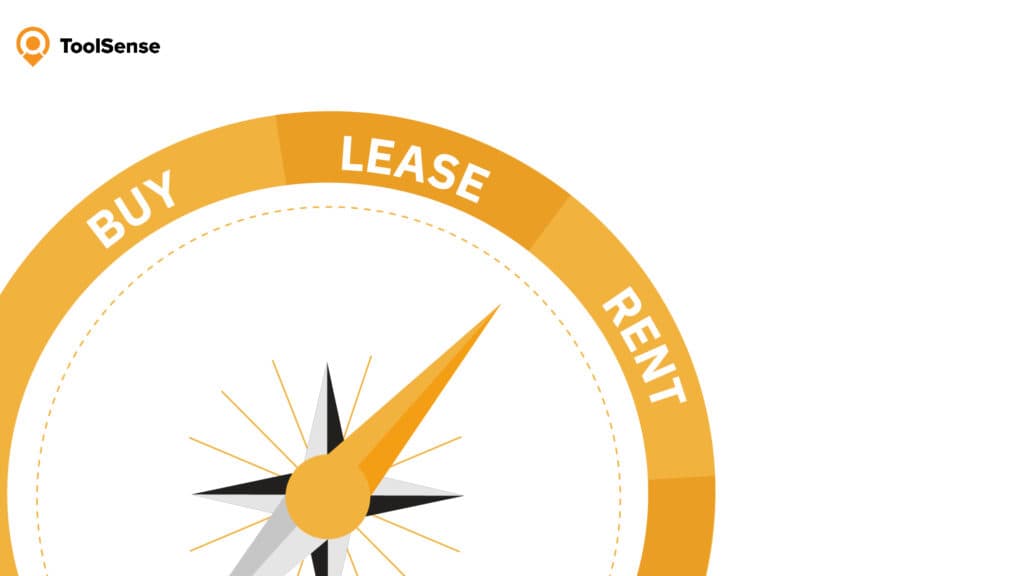
Almost every business runs on equipment of some kind. Buying it outright, though, ties up a lot of capital, and that hits hardest in industries that depend on a wide range of assets. Renting or leasing keeps the cash where you need it while still putting the machine in your hands. For most companies, the math comes out in favor of leasing rather than purchasing. This post walks through how leasing and renting differ, and when buying is still the smarter call.
Key Takeaways
- Equipment renting: Renting works best when you only need the asset for a short stretch, or when you're not yet sure how much you'll use it down the road.
- Equipment leasing: A lease lets you borrow equipment for a fixed period. You settle the terms with the vendor, and once the contract expires, you return the equipment, renew the lease or buy it outright.
- Equipment buying: If you plan to keep the equipment for more than five years and it holds its value, buy it with a capital lease or a bank loan.
Leasing Equipment
A lease is a legally binding agreement between two parties with defined terms and conditions. The owner of the asset is the lessor; the party using it is the lessee.
What Is Equipment Leasing?
Leasing gives you many of the upsides of ownership while sparing you a few of the headaches. In practice it's a financing arrangement: the owner leases the asset to a contractor for a set monthly charge over an agreed timeline. When that timeline ends, the lessee can extend the lease, buy the equipment or hand it back. The appeal is simple. No large down payment, and the capital you would have spent stays free for other uses.
How Does an Equipment Lease Work?
Lease agreements behave much like rental contracts. You agree on terms with the provider, and when the contract runs out, you return the equipment, renew the lease, or purchase it.
Leasing Process
A few things to keep in mind when you apply for a lease:
- Have financial data ready for both the business and its owners before you start the application.
- The lessor reviews your application and tells you the outcome.
- Once approved, read the lease agreement carefully. After signing, you send the paperwork back to the lessor, usually along with the initial payment.
- When the lessor has the completed documents and your first payment in hand, you'll get word that the lease has started. From there you can take delivery and begin any training the equipment requires.

Operating Lease and Financial Lease
Leases fall into two broad categories:
Operating lease: An operating lease behaves more like a rent agreement. The lessor carries all the ownership risk, the lessee reports no assets or liabilities, and the payments show up as a rental expense on the income statement.
Because of how the contract is structured, the term usually runs well short of the asset's useful life.
Financial lease: Here the lessee shoulders most of the ownership risk. A finance lease is effectively the purchase of an asset funded through debt.
The term typically matches the asset's expected life.
Advantages of Leasing Equipment
What you stand to gain from leasing:
- Lower initial cost: You don't need a pile of cash to get started.
- Tax deductibility: Lease payments count as a business expense on your return, which trims the net cost of the lease.
- Flexibility: Contracts can be shaped around your specific needs.
- Easier upgrades: When the lease ends, you can move straight onto newer, more capable equipment.
Disadvantages of Leasing Equipment
The trade-offs are real, too:
- Pricier over time: Renting an item almost always costs more than buying it would have.
- No ownership: You never own the equipment, which stings unless it has gone obsolete by the time the lease is up.
- Locked-in payments: Stop using the equipment and you still owe payments through the end of the term.
Factors That Determine Monthly Lease Pricing
These terms come up whenever you're working out lease rates, so it pays to know them:
| Capitalized Cost | The price of the equipment after any down payment or trade-in allowance. |
|---|---|
| Residual | The value of the car after the lease period. |
| Depreciation | The amount by which the vehicle’s value has declined during the lease period. |
| Lease Term | The length of your lease (usually 2,3,4 years). |
| Money Factor | The monetary fee, typically expressed as a percentage. |
Equipment Lease Formula
Lease Payment = Depreciation + Interest + Tax
Depreciation: (Capitalised cost – Residual) ÷ Term of Lease
Interest: (Capitalised cost + Residual value) × Money Factor
Tax: (Monthly Depreciation Cost + Interest) × Local Sales Tax Rate
Renting Equipment
Renting and leasing run on the same idea, with a couple of key differences. With renting you sign for a shorter term, usually under a year, and you're not on the hook for maintenance. There's also no option to buy at the end. When the rental period closes, the equipment goes back.
What Is Equipment Renting?
Renting buys you flexibility: you pay for the asset only when you actually need it. That suits smaller outfits in particular, especially subcontractors who can't absorb the cost of equipment maintenance. It isn't only for them, though. Under the right conditions, larger construction enterprises rent too.

How Does Equipment Renting Work?
Renting costs less than leasing because there's no sizeable down payment to clear. Rental payments often qualify as a tax-deductible operating expense, which keeps the bookkeeping clean. The biggest draw, though, is that maintenance and repairs aren't your problem. And since rental firms refresh their fleets regularly, you'll almost always get recent or brand-new equipment.
Qualification and Conditions for Renting
Some firms rent rather than lease precisely because it leaves room to adapt when things change. A company growing fast may outgrow its equipment well before a lease would let it switch.
Advantages of Renting Equipment
Renting brings a handful of clear wins:
- Access to the best equipment: You can use machines that would be too expensive to buy outright.
- Keep savings flowing: No need to drain your reserves or take out a loan to acquire the asset.
- Predictable cash flow: Interest rates on monthly rental charges are usually fixed, so forecasting is easier.
- Swap anytime: Upgrading or replacing equipment is straightforward.
Disadvantages of Renting Equipment
There are downsides as well:
- Best for short-term use: Over a long enough run, renting can end up costing more than buying outright.
- Compromise on the model: You may have to settle for a model that isn't exactly what you wanted.
Factors That Determine Monthly Rental Pricing
Several things shape the cost of a rental: the type and size of equipment you need, and how long you need it. Rates also swing widely depending on the local market and what counts as competitive there.
Buying Equipment
Ownership and tax benefits make buying company equipment attractive, but the high upfront cost rules it out for plenty of businesses.
What Does Buying Equipment Mean, and How Does It Work?
Buying means paying for equipment in a single lump sum or in instalments. A company can fund the purchase from its own pocket or through outside financing. Either way, legal ownership changes hands.

Advantages of Buying Equipment
- Ownership: Owning makes sense for equipment with a long useful life that's unlikely to go obsolete soon.
- Tax breaks: Section 179 of the Internal Revenue Code lets you deduct the full cost of certain newly acquired assets in the first year.
- Depreciation allowance: Even purchases that don't qualify under Section 179 can usually benefit from depreciation deductions.
Disadvantages of Buying Equipment
Buying has its drawbacks too:
- Higher initial cost: The upfront spend simply puts purchasing out of reach for some businesses.
- Risk of obsolescence: Buy high-tech equipment and you risk it ageing out faster than expected, pushing you into a new purchase sooner than planned.

Rent vs Buy vs Lease Equipment
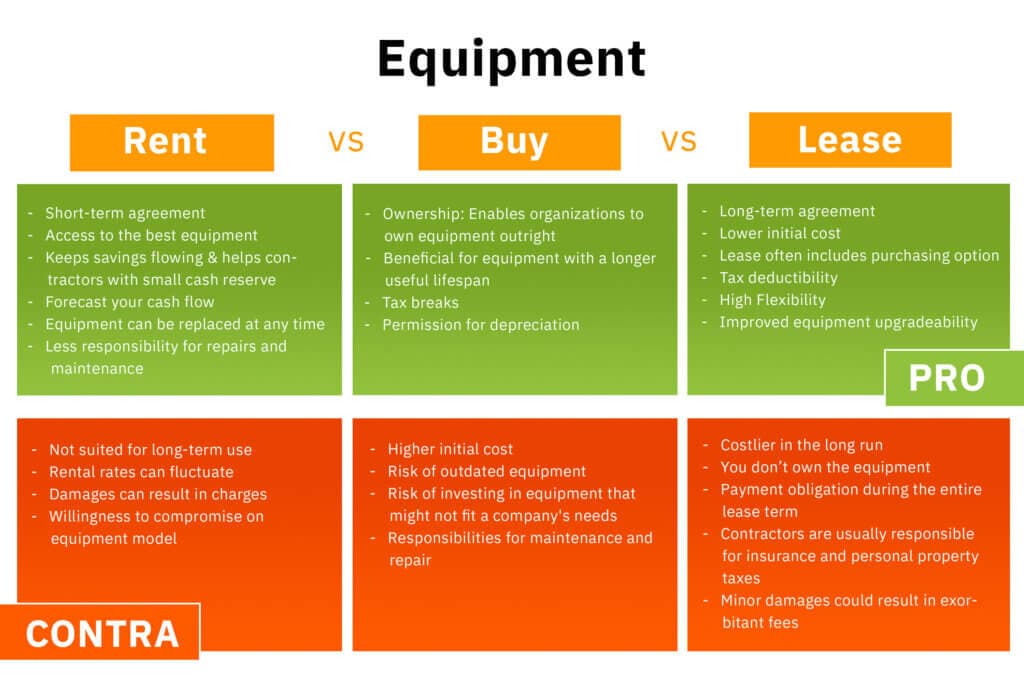
Renting asks for less money down and less total outlay than leasing. It's the right move when you need the asset briefly, or when the future use of that asset is still an open question.
Leasing lets you skip the big down payment and hold onto capital, but you'll usually pay a higher interest rate than you would buying the equipment outright.
Buying hands you the perks of ownership and the tax advantages that come with it. It's the call for equipment you'll use regularly, if not every day.
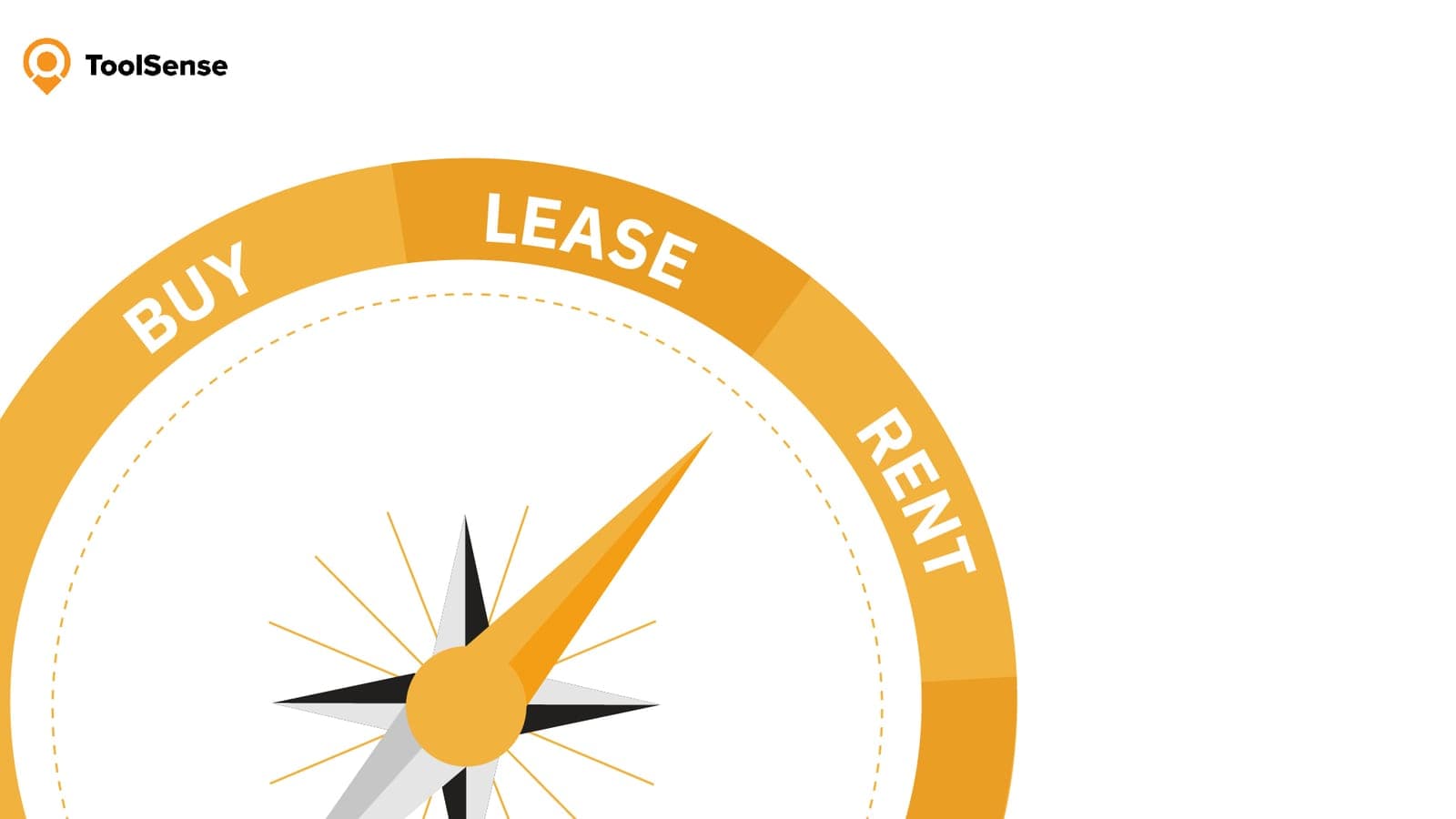
Should You Rent, Lease or Buy?
The right choice depends on the variables and circumstances in front of you. A company that manufactures hardware, for instance, is better off leasing than renting, since leasing avoids the heavy down payments and frees up funds for other needs. Renting fits companies that need equipment for a short window or aren't sure how they'll use it later, particularly for one-off jobs or seasonal contracts. Buying wins when a company expects to use the equipment for more than five years and the equipment holds its value. Whichever route you take, comparing the total cost of ownership across rent, lease and buy gives the clearest picture of the real long-term expense.
Conclusion: ToolSense Has Your Back – No Matter If You Rent, Lease or Buy
ToolSense offers a comprehensive asset management solution that fits any industry, from construction and agriculture to manufacturing, education, and beyond. The cloud-based software lets companies import existing equipment lists from Excel and add to the list as new machines arrive. Rented and leased equipment counts here just as much as assets the business owns directly.
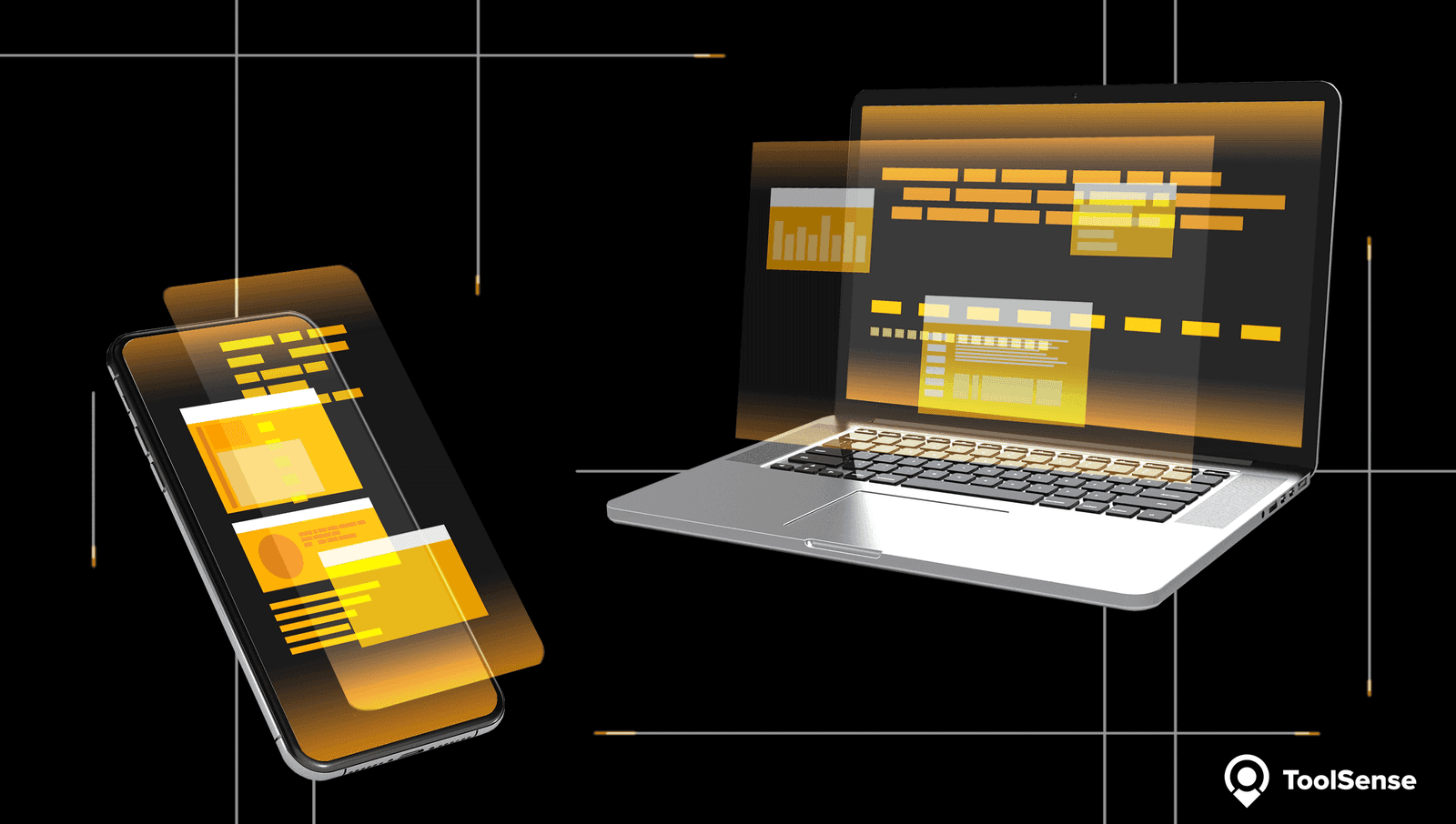
Every asset gets its own lifecycle folder that holds the details that matter: usage, downtime, maintenance history, work orders, photos, invoices, and any other files tied to the equipment, leasing or rental agreements included. Employees can pull up what they need at any moment, from anywhere. Because the platform lives in the cloud, managers and staff reach those files through either a desktop application or a mobile app.
ToolSense keeps companies on top of every maintenance task, whether a machine is owned, rented, or leased. Maintenance managers set individual intervals for each asset based on usage, date, or data streaming in from modern IoT sensors. Custom checklists for each machine make it hard for anyone to miss an upcoming task, and a reminder lands whenever an audit comes due, so equipment stays in top condition.
With ToolSense, companies can extend the useful life of critical equipment, cut costs through preventive or predictive maintenance schedules, and work faster thanks to time-saving work order management. Reporting and analytics give owners a clearer read on the equipment they already have, so the next decision about owned, leased, or rented assets is an informed one.
See How ABM Improved Their Equipment Management With ToolSense
FAQs About Renting vs Buying vs Leasing Equipment
FAQ
How to Rent Equipment?
Renting equipment is a straightforward process. However, before renting anything, take the time to research and analyse local rental services. Rent wisely and inquire about the rental agreement to ensure that you understand it completely. Ascertain that you understand the agreement’s maintenance component. Once you’ve received answers to your queries and are sure that you’ve chosen the best rental company for your needs, sign the agreement to rent the equipment.
How to Lease Equipment?
To lease equipment, you must first fill out an equipment lease application, which will take about 48 hours to get a reply. After receiving approval, you must carefully review the leasing agreement before signing.
What Is Equipment Lease Financing?
Equipment leasing is a type of finance in which small business owners rent instead of purchasing equipment. The equipment is leased for a set time. When this period expires, the business owner must decide whether to return the equipment or renew the lease. Leasing equipment, like a company loan, requires paying interest and fees. Insurance, maintenance, repairs, and other connected costs may incur additional charges.
Why Lease Equipment?
Leasing capital equipment frees up funds for other financial demands. Alternatively, if your industry is rapidly evolving and your current equipment becomes obsolete every few years, leasing equipment is a viable choice.
Is Leasing Equipment Better Than Buying?
Leasing equipment offers lower upfront costs and flexibility, but may cost more in the long run. Buying provides ownership and potential savings over time, but requires higher initial investment and maintenance responsibilities. Choice depends on financial goals and usage needs.
What Are the Disadvantages of Leasing Equipment?
Leasing equipment can be costlier overall, lacks ownership benefits, and restricts customisation. Contracts may have hidden fees and penalties for damage. Long-term expenses can surpass buying.
What Is the Main Reason for Renting or Leasing Equipment?
The primary reason for renting or leasing equipment is to minimize upfront costs and conserve capital. This allows businesses to access necessary resources without large initial investments, maintaining financial flexibility and focusing resources on core operations. Additionally, businesses remain more flexible and can upgrade their equipment when needed instead of being tied to long-term investments.
What Factors Should Be Considered by the Contractor Who Is Deciding Whether to Rent or Buy Construction Equipment?
Contractors should weigh factors like project duration, equipment frequency, maintenance costs, and resale value. Short projects might favour renting for flexibility, while frequent use could justify buying or leasing for long-term savings and customisation.