Maintenance
An unexpected breakdown costs you twice: once in lost output, again in the budget line nobody planned for. A machine that runs cleanly, every part doing its job, isn't luck. It's the result of a maintenance strategy that fits the equipment. The harder question is which strategy that should be.
The options run from regular preventive check-ups to fast corrective fixes, and each suits a different situation. Preventive maintenance works like a routine health check, heading off trouble before it starts. Reactive maintenance behaves more like an emergency room. Urgent or emergency maintenance kicks in only after total failure, and the repairs are both rushed and expensive. Pick the wrong approach and a minor hiccup turns into a shutdown.
Different Types of Maintenance
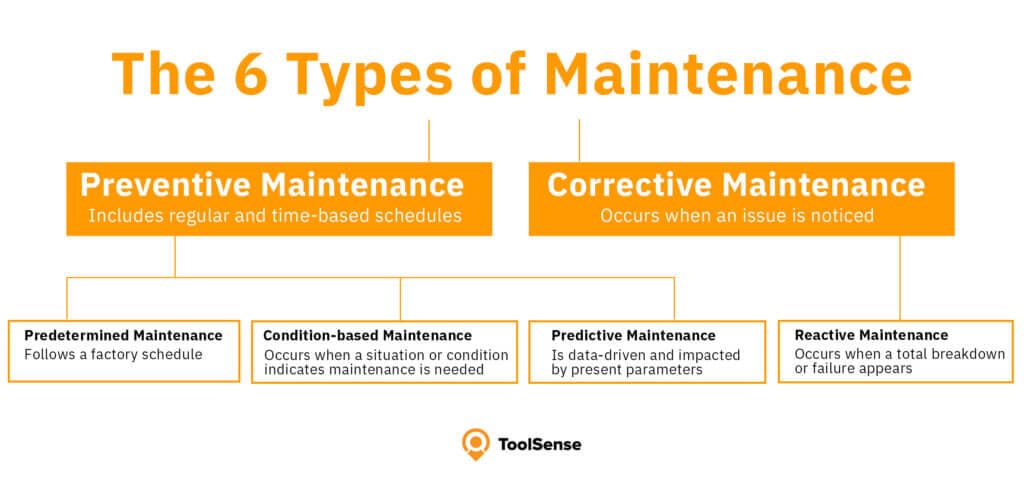
Companies generally rely on six maintenance strategies, spread across proactive and reactive methods. How you structure your program decides whether maintenance ends up cheap or costly, and whether it creates problems or solves them. The right maintenance program shapes both the impact on customers and the total cost relative to what you get back.
The different types of maintenance strategies include:
-
Preventive maintenance
– includes regular and periodic (time-based) schedules. - Corrective maintenance – occurs when an issue is noticed.
- Predetermined maintenance – follows a factory schedule.
- Condition-based maintenance – occurs when a situation or condition indicates maintenance is needed.
- Predictive maintenance – is data-driven and impacted by preset parameters.
- Reactive maintenance – occurs when a total breakdown or failure appears.
Preventive Maintenance
Of the six approaches, preventive maintenance is the one that hunts down small problems and repairs them before they grow, which cuts the number of major repairs you face. It can borrow from every other type. Maintenance inspections, for instance, often shift with the age of the equipment. A new machine may follow a predetermined schedule, but as it gets older you move to more frequent checks, both hands-on and through data, so a minor dip in performance never becomes an expensive one.
Example of Preventative Maintenance
Seasonal cleaning of an HVAC unit is a textbook case. In spring you schedule a service to clear grit and sand out of the casing and make sure leaves aren't blocking the air intake. Nothing is broken yet. You simply know leaves pile up over the seasons and cause trouble later, so you remove them now and avoid the poor performance and higher energy use that would otherwise follow.
In short, preventive maintenance is the routine inspection that looks for wear before any symptom shows up.
Costs of Preventative Maintenance
You'll spend more on labour with preventative maintenance, since inspections run on a fixed schedule whether or not anything is wrong. That extra labour tends to pay for itself by heading off major repairs and the energy waste of machines that aren't running at peak. Outsourcing the service is another way to keep those labour costs down.
Benefits of Preventative Maintenance
- Prevention of major repairs.
- Keeps businesses open by preventing most emergency repairs.
- Adds to the product’s lifecycle by reducing wear.
- Keeps energy costs at their lowest possible rates.

Corrective Maintenance
With corrective maintenance, sometimes called unplanned corrective maintenance, the team moves the moment a problem shows up. The aim is to get systems back to normal as fast as possible. There's no recurring schedule here. A fault has to exist before anyone acts.
Examples of corrective maintenance include:
- Repairing a broken HVAC unit rather than maintaining it.
- Repairing an HVAC unit after data from the unit shows it is not functioning at peak performance.
Cost of Corrective Maintenance
Since no routine program runs to prevent breakdowns, work only happens once an issue is noticed. Each repair may cost a little more, but that still beats paying a crew to service everything on a regular cycle. You fix the equipment just in time. The risk is that a catastrophic failure can blow up the math: in the HVAC example above, if the unit is beyond repair, replacement is your only option, though warranty may cover part of that.
Benefits of Corrective Maintenance
- Decreased monthly maintenance costs.
- Decrease in time for managing maintenance.
- Focuses on non-critical elements.
- A more straightforward maintenance process.
Predetermined Maintenance
Predetermined maintenance follows the plan the equipment manufacturer wrote, not a schedule your own maintenance team puts together.
Examples of Predetermined Maintenance
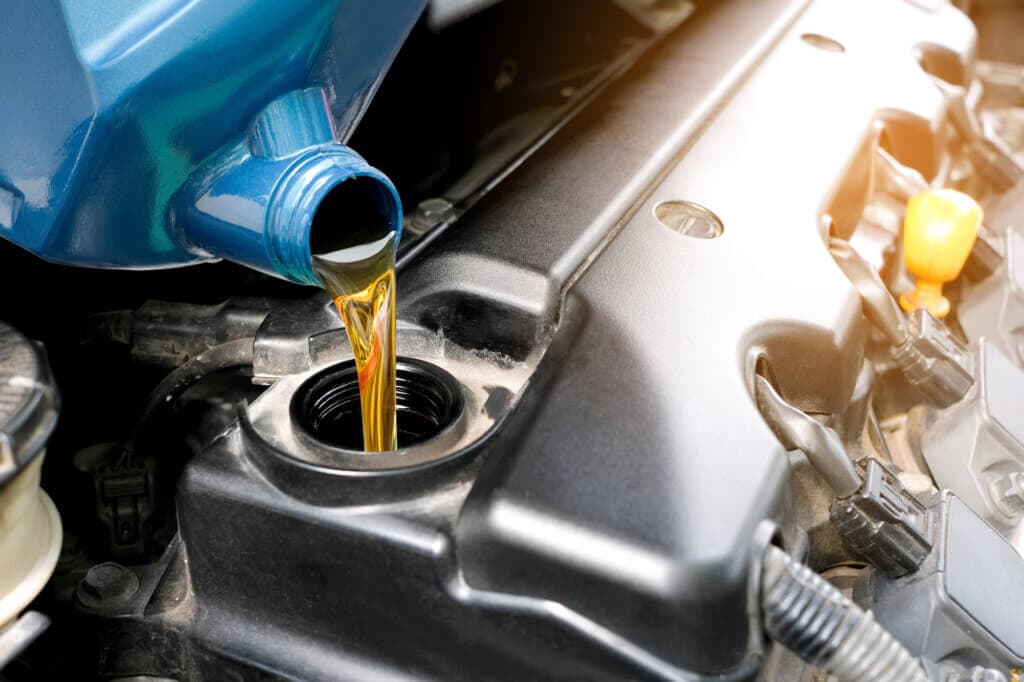
The clearest case is machinery serviced at intervals the manufacturer recommends. Oil changes every fourth month. Transmission service after a set number of run-time hours. After a year of use, parts X, Y, and Z get checked for wear. Engine replacement after a fixed number of years.
The oil gets changed even if the machine sat idle for four months, because the schedule keys off time or usage rather than how the equipment is actually performing. There's a variation where smart data flags a drop in productivity, and that dip signals a need for maintenance. At that point predetermined maintenance starts to overlap with predictive maintenance, where the data itself reports the problem.
Cost of Predetermined Maintenance
Predetermined programs are usually cheap to run. Everything is scheduled, so you can plan parts purchases and maintenance tasks well ahead. Costs vary with the machinery and the parts involved, but even those are known quantities.
Predetermined Maintenance Benefits
- Much easier to schedule and manage, including labor.
- The manufacturer outlines the maintenance plan.
- You can schedule technicians rather than hire maintenance personnel.
Condition-Based Maintenance
Condition-based maintenance keys off what you can measure or observe. Every machine has a band of normal operating conditions. Inside that band, things are fine. As readings drift toward the edges, maintenance may be due.
Examples of Condition-Based Maintenance
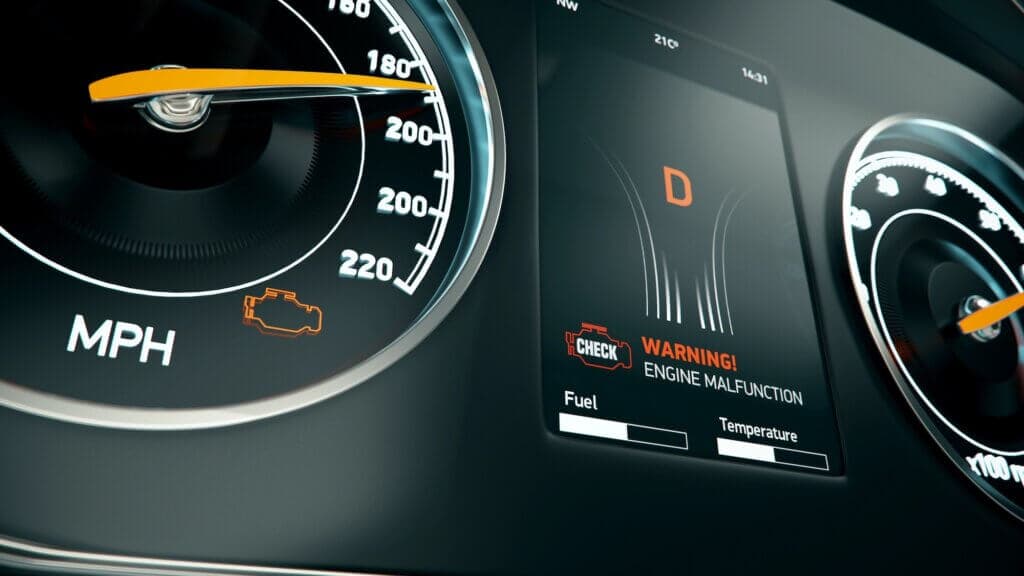
The check engine light in your car is the everyday example. When it lights up, the car's system has decided something is outside the normal range and a service needs scheduling. The same logic applies to machines that monitor themselves through smart technology, or to physical inspections on a shop floor.
A machine drawing more energy to do the same work is another signal. A tank of fuel that doesn't last as long, or a sudden spike in electrical use, points to a condition that warrants maintenance.
See How Global Facility Management Company ISS Improved Their Maintenance Management With ToolSense
Cost of Condition-Based Maintenance
The overall cost stays low. Because work is triggered when anomalies first appear, correcting them costs less than repairing a full failure. The benefits make the case even clearer.
Benefits of Condition-Based Maintenance
- Less downtime.
- Decreased energy consumption.
- Greater productivity - the equipment runs in the range of peak performance for longer.
- Fewer complete failures as equipment maintenance occur as the performance drops.
Predictive Maintenance
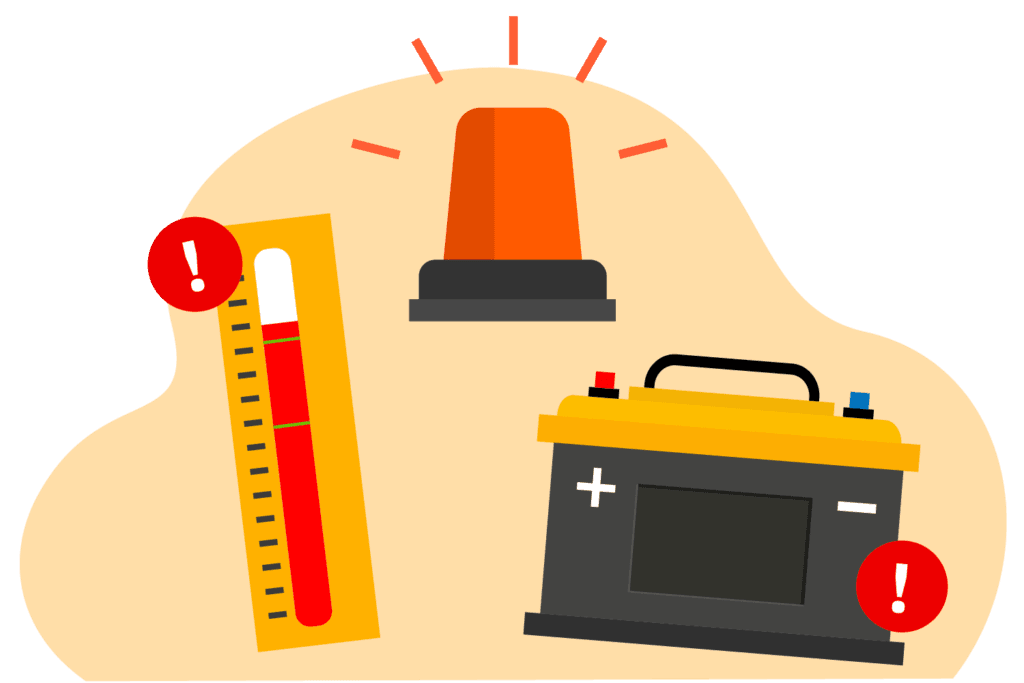
Predictive maintenance is one of the more advanced approaches, and it runs on data. The equipment itself tells you when service is needed, and the same data can map out when the machine is likely to fail.
Examples of Predictive Maintenance
Most businesses already have the technology to do this. Common examples include:
- Alarms that sound when the temperature on a machine or in an environment begins to move outside the safe parameters set up per the manufacturer’s guidelines. The internal temperature in a data center’s server room becomes too hot, and sensors in that room send out at alert.
- A sensor in an engine monitors misfires and alerts maintenance that engine service is needed.
- A sensor on a refrigeration truck monitors the internal temperatures of the truck and alerts the driver when the internal temperature falls outside acceptable parameters.
None of these alerts mean a full failure has happened. They mean conditions are heading toward the range where a catastrophic one becomes likely.
Benefits of Predictive Maintenance
The infrastructure costs more to set up, but predictive maintenance usually saves money over time by:
- Improving product quality.
- Reducing catastrophic failures.
- Improved equipment performance.
- Higher customer satisfaction.
Maintenance labour can drop too, since automation often becomes part of the predictive process.

Reactive (Run-to-Failure) Maintenance
Reactive maintenance, also known as urgent maintenance, responds only when machinery or a system has already failed. Repairs might be handled in-house, by the manufacturer, or by some mix of your own team and the manufacturer's technicians. The defining feature is timing: unlike preventive maintenance, the work starts after the breakdown.
Examples of Reactive Maintenance
The car wash at the local gas station breaks, and the maintenance team is notified. The printing press that handles varnish applications fails, and maintenance or the factory service team is notified, and repairs are scheduled.
Costs of Reactive Maintenance
Reactive costs swing from minor repairs all the way to a full machine replacement, which makes them hard to forecast. Now and then a warranty or service contract absorbs some of the bill.
Benefits of Reactive Maintenance
Leaving equipment to run until it breaks can look like false economy, yet it carries real savings of its own:
- Less maintenance staff, fewer employees, fewer wages paid out regularly, etc.
- Fewer costs to implementation – no regular maintenance means no labor or part costs until failure occurs.
- Fewer management hours are needed for maintenance planning.
Best Maintenance? How to Choose the Right Strategy
Picking the best methodology comes down to weighing risk. Start with what you stand to lose when a piece of equipment fails. If that loss is smaller than the cost of maintaining it, a reactive approach may suit you. If failure would cost more than the upkeep, a proactive approach makes more sense.
Factors worth weighing:
- Time for maintenance to occur.
- Cost to business in terms of loss of production.
- Ask yourself: are customers impacted?
Plenty of businesses run more than one type at once, depending on what they do. Preventative maintenance earns its keep when it protects things like customer satisfaction or cuts legal risk. Reactive maintenance can be the cheaper call when the equipment is under warranty or near the end of its life. Whichever mix you land on, maintenance management software like ToolSense helps automate the tasks, keep an overview, and run the whole thing more cost-effectively.
How ToolSense Improves Your Maintenance Management
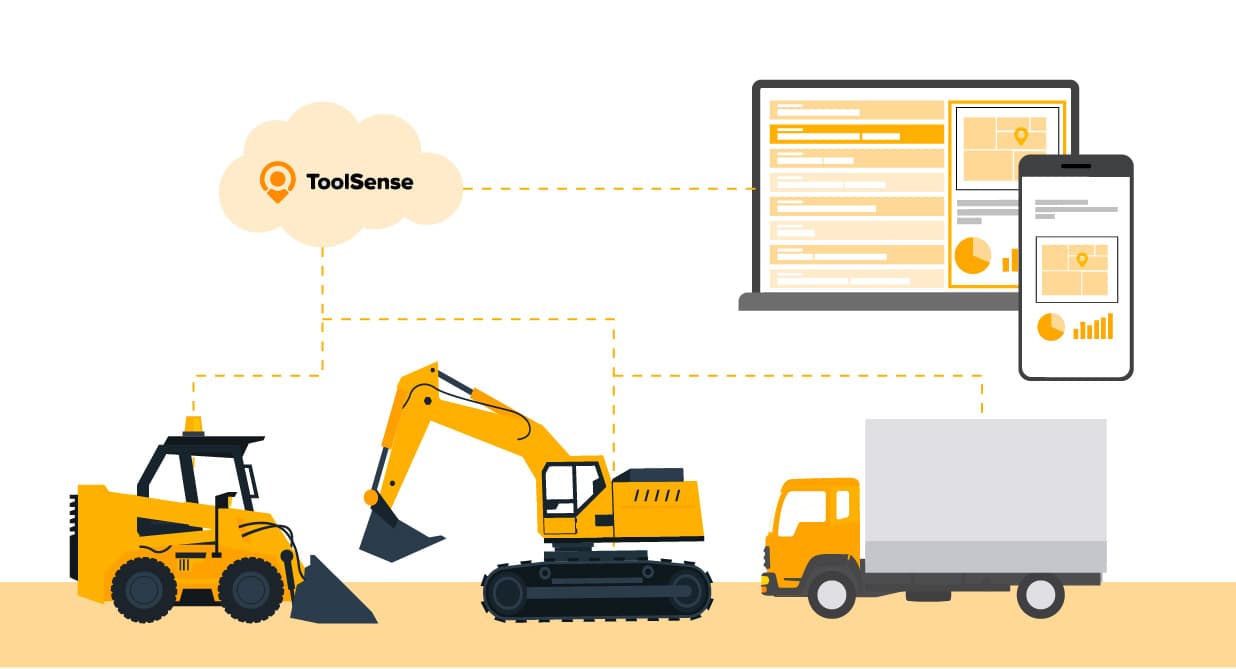
ToolSense is a comprehensive asset and maintenance management solution built for companies of any size, in any industry. The cloud-based system runs as both a desktop application and a mobile app, so employees can pull up the information they need from anywhere and keep desk workers and maintenance staff on the same page.
Once your assets are imported, each one gets an individual lifecycle folder that holds everything tied to that machine or tool: usage, downtime, maintenance history, warranty details, instructions, photos, videos, and more. With it all in one place, people always know where to look, which saves time during maintenance.
You can also create custom maintenance checklists so tasks get done thoroughly and precisely. Reminders are set per asset, triggered either by a date or by the machine's IoT and telematics data, so ToolSense flags a task the moment it's due and important audits don't slip through the cracks.
The platform's work order management tools smooth out the workflow no matter the business or where staff happen to be. Scanning a QR code on a machine lets a worker report a problem or request a spare part in a few clicks, and the work order routes to the right person through the app or an email notification. ToolSense also includes reporting and analytics features that let you build a predictive maintenance schedule straight from your assets' data.
Regardless of the Type of Maintenance: What are Good Maintenance Practices?
Whichever strategies you run, a handful of practices keep equipment lasting longer, running more efficiently, and staying safe. They head off surprise breakdowns, hold performance steady, and bring overall maintenance costs down. Each one slots into the maintenance types above:
- Regular inspections and check-ups. Routine inspections catch potential issues before they escalate, which is exactly what preventive maintenance is built around.
- Scheduled maintenance. Set a schedule from manufacturer recommendations or operational needs, as in predetermined maintenance, so tasks happen at the right intervals.
- Documentation. Keep detailed records of every inspection, repair, and replacement. That history is what condition-based maintenance leans on.
- Use of technology. Maintenance management software like ToolSense automates scheduling, tracks history, and monitors equipment conditions in real time.
- Predictive analytics. Use data and analytics to forecast when service should happen, cutting downtime and preventing major failures.
- Training and skill development. Keep maintenance staff current on technique and safety, since skilled workers do the job faster and more safely.
- Spare parts management. Stock enough spares to keep repairs quick and downtime short. This matters most for corrective maintenance, where the fix can't wait.
- Safety compliance. Follow the relevant safety regulations and standards, and treat regular safety inspections and compliance checks as part of the program.
- Reactive measures. Even when you favour proactive work, have a plan ready for the unexpected failure so disruption stays contained.
Put these together and your strategies simply work better, with equipment running smoothly. Tools like the ToolSense Asset Operations Platform tie the whole thing into one place.
Why Is the Right Maintenance Strategy Important?
The right strategy matters because it lowers risk and lifts efficiency while keeping costs reasonable. It also extends the life of your assets, which trims repair spending and keeps productivity high.
FAQ
What is Maintenance?
Maintenance involves a set of activities aimed at keeping equipment and systems in optimal working condition. It includes: Preventive Maintenance , Corrective Maintenance , Predetermined Maintenance , Condition-Based Maintenance , Predictive Maintenance , and Reactive Maintenance . Proper maintenance is crucial for reducing risks, saving costs, ensuring safety, maintaining productivity, and extending the lifespan of assets. Modern tools like the ToolSense Asset Operations Platform can streamline maintenance management by offering features such as asset tracking and automated scheduling.
What Are the Different Types of Maintenance?
The 6 different types are; Predetermined Maintenance, Preventive Maintenance, Corrective Maintenance, Condition-based Maintenance, Predictive Maintenance and Reactive Maintenance.
How to Choose the Right Maintenance Strategy?
Choosing the best maintenance methodology is a risk measurement. Start by looking at what you lose when equipment fails. If the cost is higher than the repair cost, then a reactive maintenance method may be ideal for your business. On the other hand, if the costs are higher in the event of a machine failure, then a proactive maintenance method might be more beneficial.
What Are the 4 Types of Computer/Software Maintenance?
The 4 different software maintenance types are; Corrective Software Maintenance, Adaptive Software Maintenance, Perfective Software Maintenance and Preventive Software Maintenance.
Why Is the Right Maintenance Strategy Important?
The right maintenance strategy is critical because it reduces risks and improves efficiency while keeping costs within an affordable range. You also have the opportunity to extend the life of your equipment. This process also means that the cost of repairs is reduced and overall productivity remains higher.