Robotics
Commercial cleaning robots are autonomous floor-care machines that clean defined areas on their own, following a route or a map that was set up in advance. They are used in offices, retail stores, airports, hospitals, logistics buildings and schools, usually by cleaning companies, facility managers and in-house facility teams. This guide is about these professional robots, not about robot vacuums for the home.
In Brief
- Commercial cleaning robots clean floors autonomously along mapped routes. The main types are scrubber-drier robots, sweeping robots, vacuum robots and combined units.
- They fit best on large, open areas that are cleaned regularly on the same routes, often outside opening hours.
- They fit less well in cluttered spaces, buildings with many small rooms and anywhere detail work is needed.
- Robots take over repetitive area cleaning. People keep the detail work, the supervision and the exceptions.
- Before you buy, rent or subscribe, check your floors and layout, the setup effort, charging and water, who looks after the robot, service, data and IT. Compare the total cost including service, not just the price of the machine.
What Commercial Cleaning Robots Are
A commercial cleaning robot is a floor-care machine that drives and cleans without an operator steering it. Before it starts, the area is mapped and the cleaning routes or zones are defined. After that, the robot can be started for a planned run, cleans the defined area, and returns to its charging point or waits to be collected.
The difference from a household robot vacuum is the job it is built for. Professional robots are designed for larger areas, commercial floor types and daily use in buildings with people moving around. Several professional robots also scrub and dry floors with water and detergent, which household devices usually do not do in the same way.
Types of Commercial Cleaning Robots
There is no single "cleaning robot". The type you need depends on the floor and the dirt you want to remove.
- Example
Scrubber-drier robots
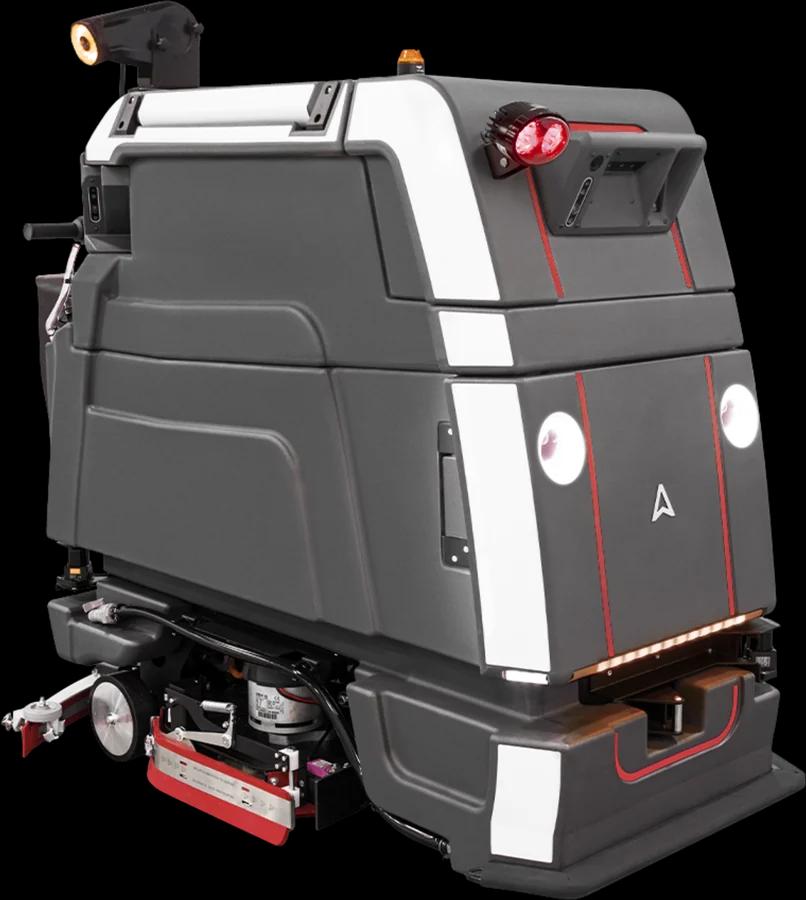
They apply water and detergent, scrub the floor with brushes or pads and pick up the dirty water again. They are used on hard floors such as tiles, concrete, vinyl or stone, for example in supermarkets, airports, hospitals and warehouses.
Sweeping robots
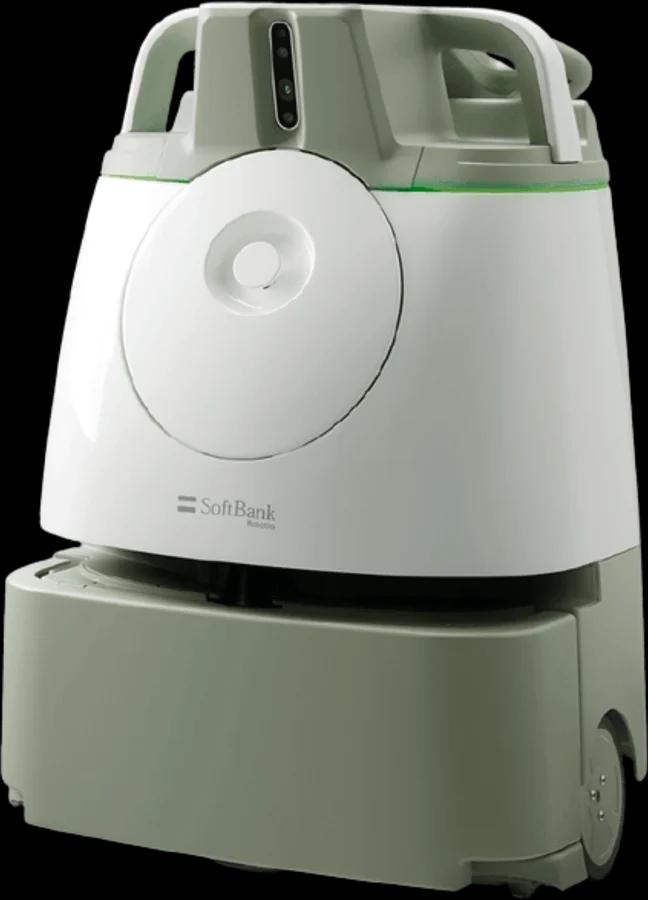
They pick up coarse dirt, dust and debris from hard floors without water. They are typically used in logistics buildings, production halls, car parks and other large hard-floor areas.
- Example
Vacuum robots
They vacuum carpets and, depending on the model, hard floors. They are used in offices, hotels, schools and other buildings with a lot of carpet or mixed floors.
- Example
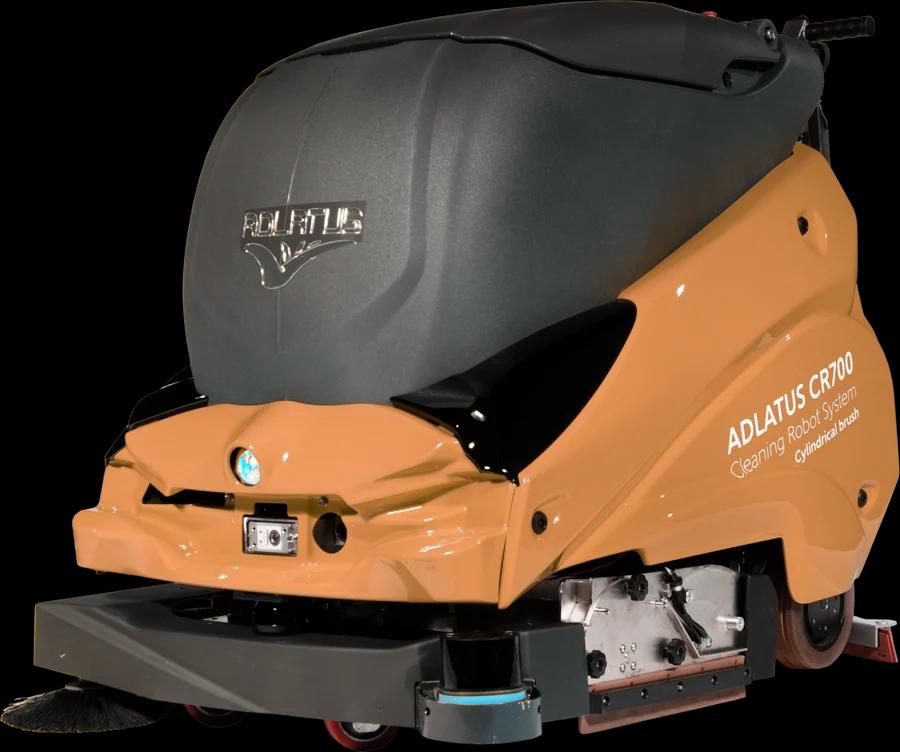
Combined units
Some robots combine several functions, such as sweeping and scrubbing, or vacuuming and mopping. They can be useful where floor types change within the same area, but check how well each function suits your floors.
Within each type, robots differ in size, tank volume, cleaning width, run time and how they handle obstacles. Manufacturers describe these in their data sheets. It is worth testing a robot on your own floors before you decide.
Where Robots Fit and Where They Don't
Cleaning robots work best when the task is predictable.
Good fit
- Large, open areas such as corridors, halls, concourses, sales floors and warehouse aisles.
- Areas that are cleaned regularly, daily or several times a week, on the same routes.
- Repetitive routes where the robot can follow the same plan every time.
- Off-hours cleaning, when there are fewer people and obstacles in the way.
Weaker fit
- Cluttered spaces where furniture, goods or equipment are moved around often.
- Buildings with many small rooms, where the robot spends more time moving between rooms than cleaning.
- Detail work such as corners, edges, under furniture, stairs, desks, washrooms and spot stains.
- Areas with frequent exceptions, such as events, building work or changing layouts.
In practice, robots take over the repetitive area cleaning. People keep the detail work, check the results, deal with exceptions and look after the robots: preparing them, emptying and refilling tanks where needed, clearing blockages and reacting when a robot stops. Planning with robots therefore means redesigning the cleaning plan, not removing people from it.
What to Check Before Buying, Renting or Subscribing
Commercial cleaning robots are available to buy, to rent or on a subscription, depending on the manufacturer and the dealer. Whichever model you choose, check these points first.
Floor area and layout
How large is the area the robot will clean, and how open is it? Walk the routes and note narrow passages, doors, ramps, lifts, steps and areas where people or goods block the way. Check whether the robot needs to change floors and, if so, how.
Floor types
List the floor types on the route: tiles, stone, vinyl, concrete, carpet, coated floors. The floor decides the robot type, the brushes or pads and the detergent. Ask the manufacturer or dealer which floors the robot is approved for.
Mapping and setup effort
Every robot has to learn the building before it can clean on its own. Ask who maps the area, how long setup takes, who changes the map when the layout changes, and what happens when a route is blocked.
Docking, charging and water
Plan where the robot is stored and charged. Scrubber-driers also need fresh water and a place to empty dirty water. Some models have docking stations that handle part of this automatically, others need a person. Check the power supply and the space at the docking point.
Who operates and monitors the robot
Someone has to start or schedule the runs, check the results and react when the robot reports an error or gets stuck. Decide who that is on each site and on each shift, and how they are trained. Without a clear owner, a robot can easily sit unused.
Service and spare parts
Ask who services the robot, how quickly a technician comes when it breaks down, and how wear parts such as brushes, pads, squeegees and filters are supplied. Check what the contract covers and what is charged separately.
Data and reporting
Robots record data such as cleaned area, run times and errors. Ask what data you can see, in which app or portal, and whether you can share reports with your clients or management.
Connectivity and IT
Many robots connect to the manufacturer's cloud through Wi-Fi or a mobile connection. Involve your IT team or the building owner early: network access, data protection and the sign-in to the manufacturer's app all need to be clarified.
Buy, rent or subscribe
Costs depend on the robot type, the size of the machine and the contract. Buying, renting and subscription models split purchase, service, software and spare parts differently. Compare the total cost over the contract period, including service, software and wear parts, and not just the price of the machine.
Running Robots from Several Manufacturers
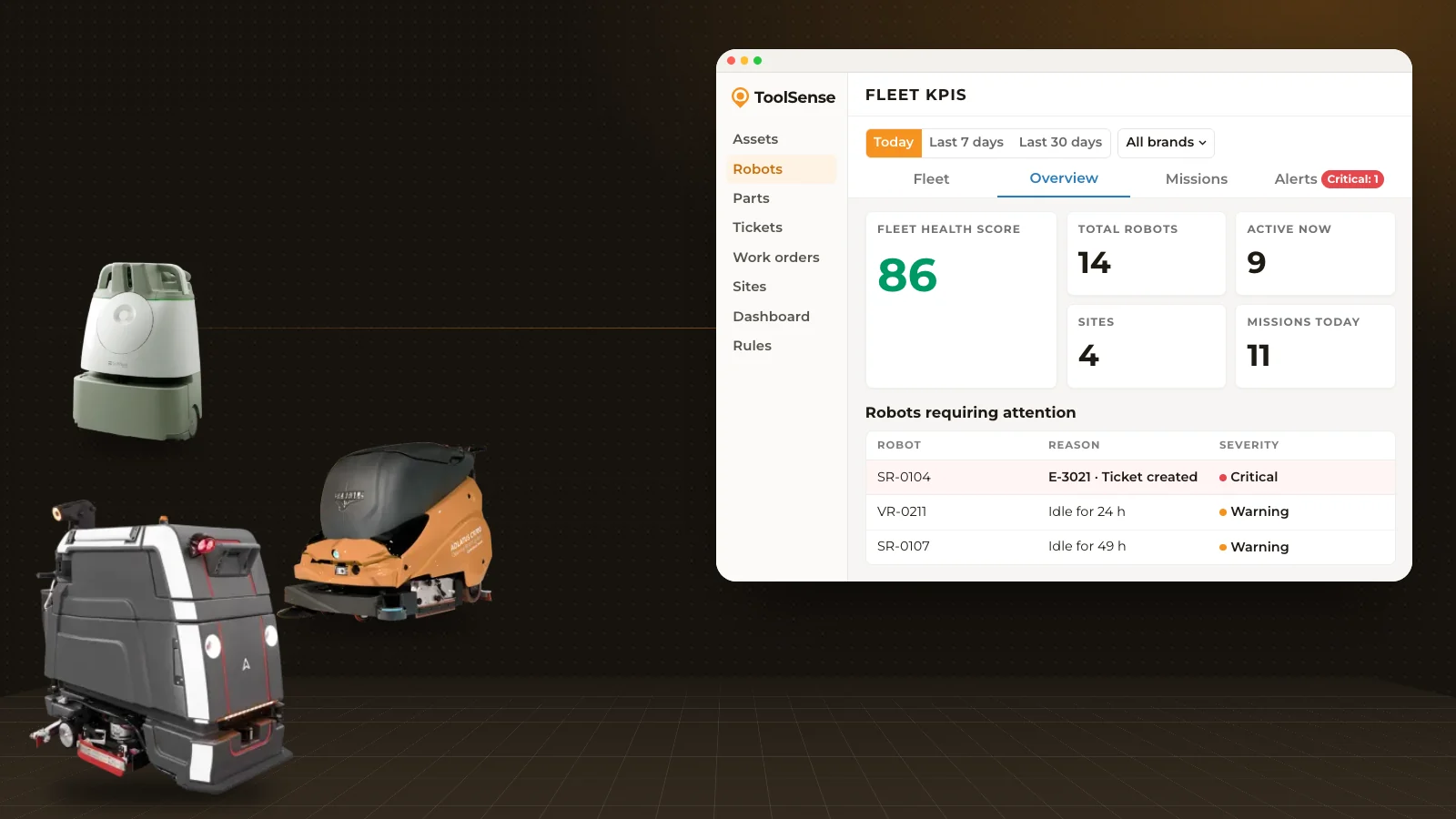
Once a company runs robots from more than one manufacturer, each brand comes with its own app, its own sign-in and its own alerts. Error messages are worded differently, and the robots are not visible next to the rest of the machines and tickets. A multi-brand fleet view brings them into one place. Our guides on managing cleaning robots from multiple brands and robot fleet management explain how to set this up.
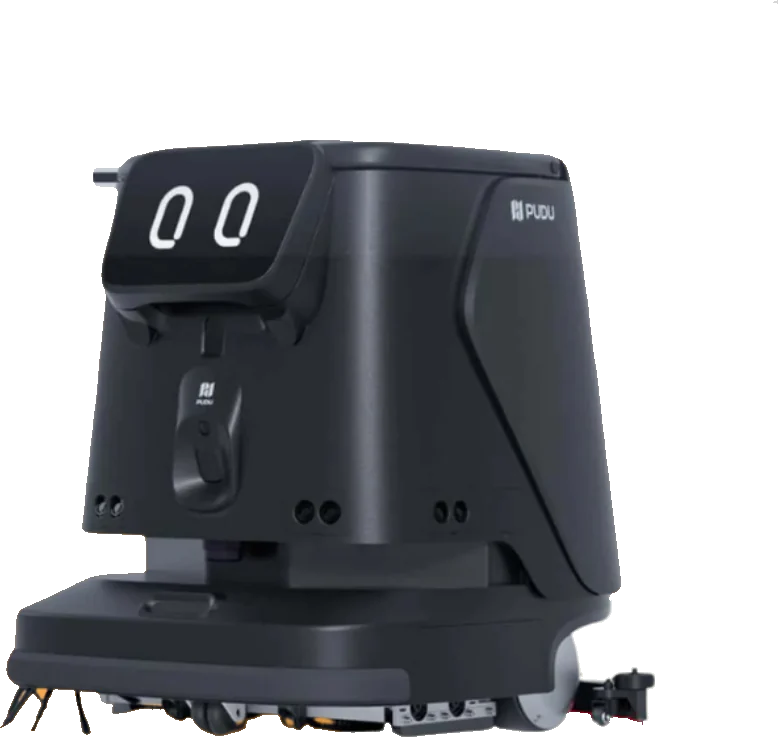
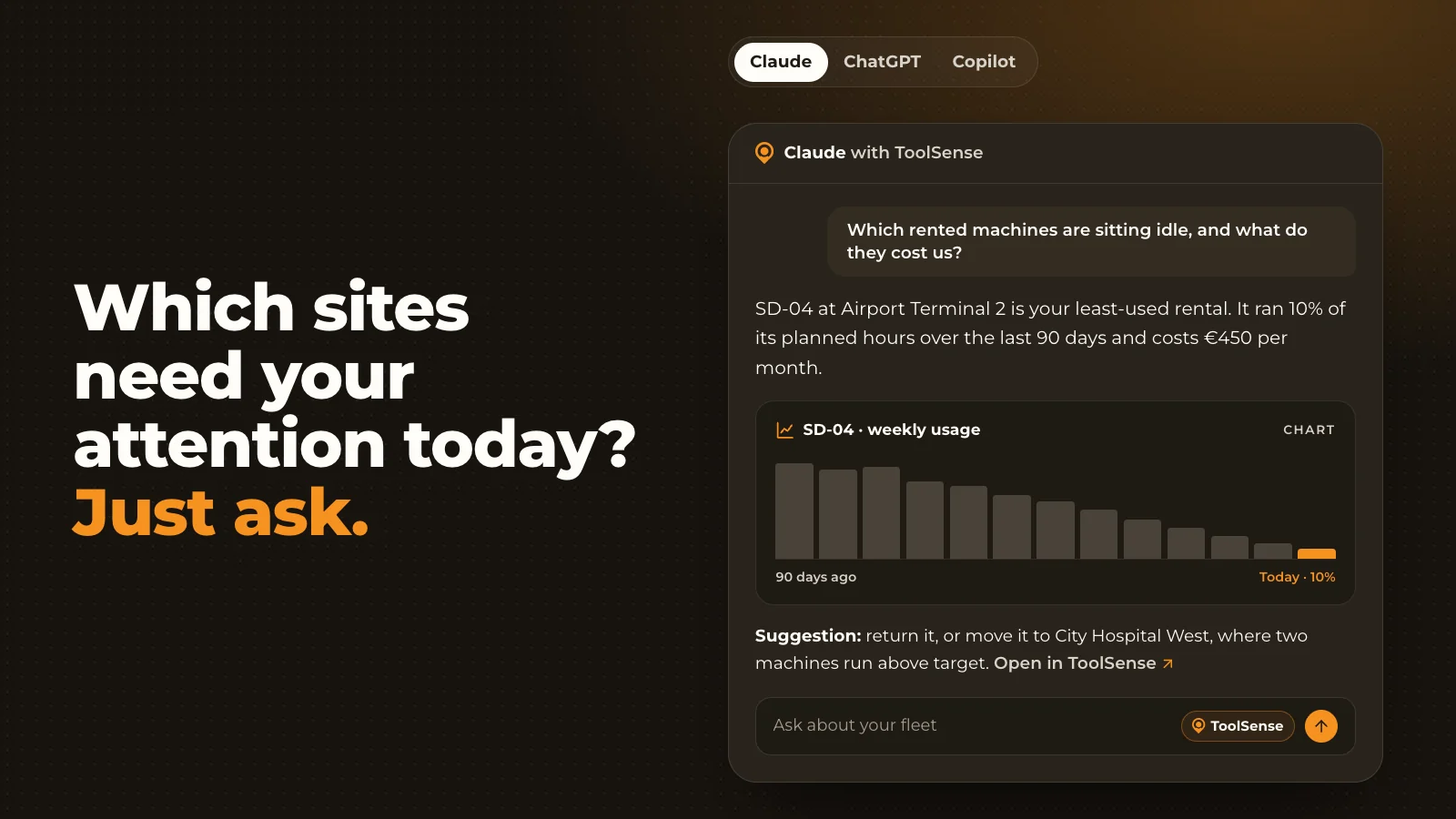
RoboHub is the ToolSense product for this. It manages cleaning robots from 15+ brands in one place, alongside the rest of your machines and vehicles. Error codes from every robot brand are translated into plain language and routed automatically as tickets. With ToolSense connected to an AI assistant, you can also ask which of your cleaning robots haven't run, and since when.
FAQ
What types of commercial cleaning robots are there?
The main types are scrubber-drier robots for wet cleaning of hard floors, sweeping robots for coarse dirt on hard floors, vacuum robots for carpets and mixed floors, and combined units that do more than one of these. The right type depends on your floors and the dirt you need to remove.
How much does a commercial cleaning robot cost?
It depends on the robot type, the size of the machine and the contract. Robots can be bought, rented or used on a subscription, and each model splits purchase, service, software and spare parts differently. Ask for offers on the same basis and compare the total cost over the contract period, including service.
Do cleaning robots replace cleaning staff?
No. Robots take over repetitive area cleaning on large, open floors. People are still needed for detail work, for checking results, for exceptions and for looking after the robots themselves.
Is a cleaning robot worth it?
It depends on the area, the cleaning routine and the setup. A robot is more likely to be useful on large, open areas that are cleaned regularly on the same routes, with someone clearly responsible for it. To assess it, map the suitable areas, test a robot on your own floors and compare the total cost with how you clean those areas today.
Can robots from different manufacturers be managed in one place?
Yes, with multi-brand fleet management software that connects to the manufacturers' systems. ToolSense RoboHub manages cleaning robots from 15+ brands in one place, so your team does not have to switch between manufacturer apps.