Glossary
Barcodes are machine-readable codes used to identify products, inventory, equipment or documents. In daily operations, they capture information faster and with fewer errors than manual entry.
In Brief
- Barcodes store an identifier that can be read by a scanner, smartphone or mobile device.
- In inventory management, barcodes help assign assets clearly and update stock data faster.
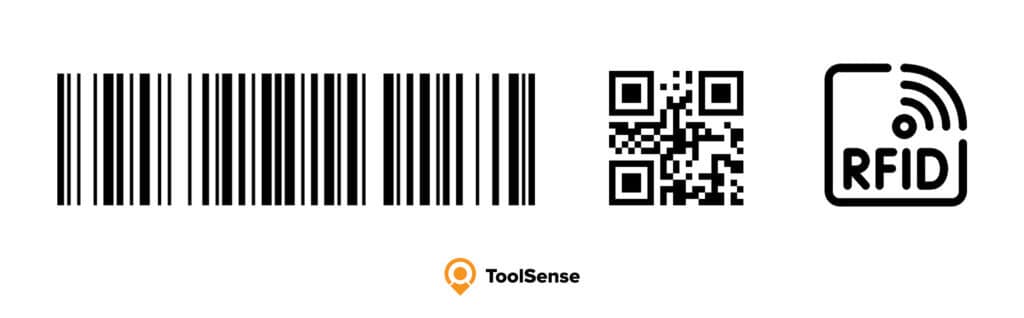
- For simple inventory processes, barcodes are often enough. For more complex asset workflows, QR codes, NFC or RFID can be more flexible.
- Modern asset management software connects codes with maintenance history, documents, locations and workflows.
What Is a Barcode?
A barcode is an optical code that represents information through lines, spaces or two-dimensional patterns. When scanned, the reader translates the code into a number or character string linked to a record in a system.
How Barcodes Are Used in Inventory
Each asset receives a unique barcode. When the code is scanned, the system opens the matching record. Employees can then update location, condition, usage, maintenance or return status.
Common use cases include goods receipt, stock counts, tool issue and return, warehouse checks, fleet workshops, inspection reports and serial number tracking.
Benefits of Barcodes
Barcodes are affordable, familiar and easy to standardize. A scan replaces manual entry, reduces typing errors and makes movements easier to document.
Limits of Barcodes
Traditional one-dimensional barcodes store limited information and usually need a clear line of sight. Dirt, damage or poor placement can make scanning difficult. QR codes, NFC, RFID and GPS or IoT trackers can be more suitable for complex asset and maintenance processes.
Barcodes, QR Codes and ToolSense
ToolSense helps companies capture assets digitally and manage them across the full lifecycle. Barcodes can support simple identification, while QR codes are especially practical for operational FM and maintenance workflows.
FAQ
What is a barcode?
A barcode is a machine-readable code that represents a unique identifier. Scanning it opens the matching record in a system.
What are barcodes used for in inventory?
They identify products, tools, equipment and documents so stock counts, movements and records can be updated faster.
Which is better: barcode or QR code?
It depends on the use case. Barcodes are cost-effective for simple identification. QR codes store more information and are often better for digital asset and maintenance workflows.