Glossary
Inventory describes a regular check of a company’s stock, comparing the actual warehouse stock with the values recorded in the accounting system. This target-versus-actual comparison is important because it helps the company maintain an accurate picture of its assets and potential liabilities. There are several inventory types, each suited to different requirements and business needs. This article explains and compares the main inventory types.

The Topic in Brief
- Inventory is a process for monitoring and recording all assets and liabilities of a company.
- Common inventory types include cut-off inventory, near-date cut-off inventory, perpetual inventory, sample inventory and shifted inventory.
- Companies that sell or produce goods are legally required to conduct inventory in many jurisdictions.
- Inventory helps keep stock current and accurate, save time and costs and make better decisions.
The Most Common Inventory Types Compared
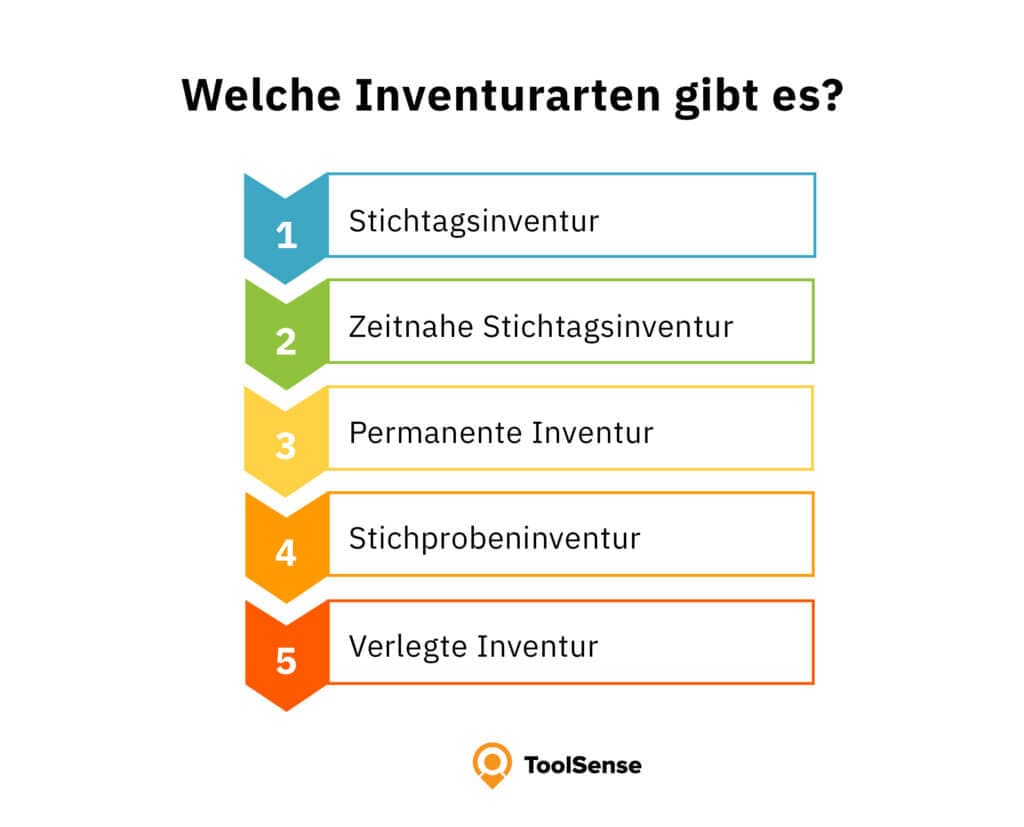
In Germany, companies are required by the Commercial Code and tax law to conduct inventory regularly. Inventory is also an important element of financial management. The five most important inventory types are:
- Cut-off inventory
- Near-date cut-off inventory
- Perpetual inventory
- Sample inventory
- Shifted inventory
Each inventory type has its own advantages and disadvantages and is suited to different industries and business areas. Understanding the five variants helps companies choose the best method for their situation.
Cut-Off Inventory
The cut-off inventory is performed at a fixed point in time, usually at the end of a financial year. The stock in the warehouse is compared with the accounting system. This method is easy to perform and provides an accurate picture of stock. It often takes place at the end of the financial year, for example on December 31. One disadvantage is that it can be time-consuming and errors may occur if stock levels changed during the year. Cut-off inventory is common in trading companies and small businesses.
Near-Date Cut-Off Inventory
Near-date cut-off inventory is performed around the balance sheet date. In Germany, companies are given a window of up to 10 days after the balance sheet date. The inventory ensures that the company has a current picture of stock. A benefit of this method is that errors can be identified quickly. The disadvantage is that it requires more time and work than a pure cut-off inventory. It is often used in larger companies and sectors where fast reactions to stock changes are required.
Perpetual Inventory
Perpetual inventory is a continuous review of stock throughout the year. It provides an ongoing overview of goods and inventory levels. This method has the clear benefit that errors can be identified quickly. However, it can also be time-consuming and expensive to implement. Perpetual inventory is common in large companies that need precise stock monitoring.
Sample Inventory
Sample inventory checks only part of the stock to save time and costs. This method is useful because it can be performed quickly and economically. However, the company receives a less exact view of stock. Sample inventory is often used in industries where exact monitoring is not required, but regular review is still useful.
Shifted Inventory
Shifted inventory is a special form of inventory where stock is recorded at a different point in time. In Germany, it can be performed up to two months after or up to three months before the balance sheet date. This gives companies flexibility and allows differences to be analyzed calmly. However, the required forward or backward calculation creates a higher error risk.
For an inventory after the balance sheet date, values are calculated back to the balance sheet date. Purchases are subtracted and sales are added. If inventory takes place before the balance sheet date, values are carried forward. Purchases are added and sales are subtracted. Example:
Inventory value: 70,000 €
+ Purchases: 13,500 €
- Sales: 60,000 €
Inventory stock
at the reporting date = 23,500 €

How Is Inventory Carried Out?
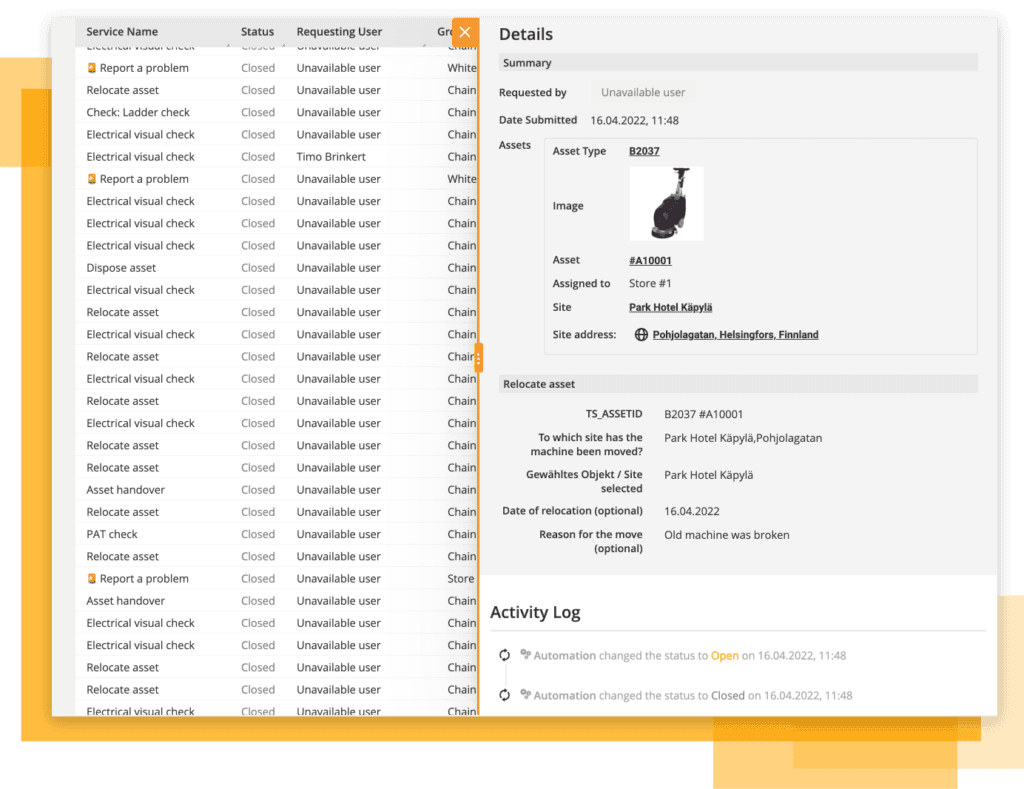
Traditionally, inventory can be carried out using three methods:
- Physical inventory: the actual stock is compared with the accounting system. Items in the warehouse are recorded manually and compared with accounting data. This method is especially suitable for small companies with limited stock.
- Book inventory: the data in the accounting system is compared with the actual warehouse items. No items are recorded manually. Instead, the company uses accounting data. This method is especially suitable for large companies with high stock levels.
- Fixed asset inventory: assets such as machines, equipment or buildings are recorded. The actual assets are compared with accounting system data. This method is suitable for companies with large fixed assets that need precise monitoring.
All inventory types and methods have advantages and disadvantages. It is important to assess the company’s requirements and select the right method.
Benefits of Inventory Software
Inventory management software can help with physical inventory, book inventory and fixed asset inventory in several ways:
- Time savings: software can significantly reduce the time required by collecting and processing data automatically.
- Accuracy: automated data collection and processing reduce the errors that can occur during manual inventory.
- Monitoring: software monitors stock in real time and triggers alerts when inventory changes are detected.
- Overview: inventory software provides an overview of the entire stock, including storage location, stock level and sales data.
Overall, inventory software can save time and costs while increasing the accuracy of stock monitoring.
Conclusion: Save Time With ToolSense Inventory Software
Inventory types help companies record and monitor stock. The right method depends on factors such as industry and company-specific requirements. Inventory can be carried out in different ways, such as physical inventory, book inventory or fixed asset inventory.
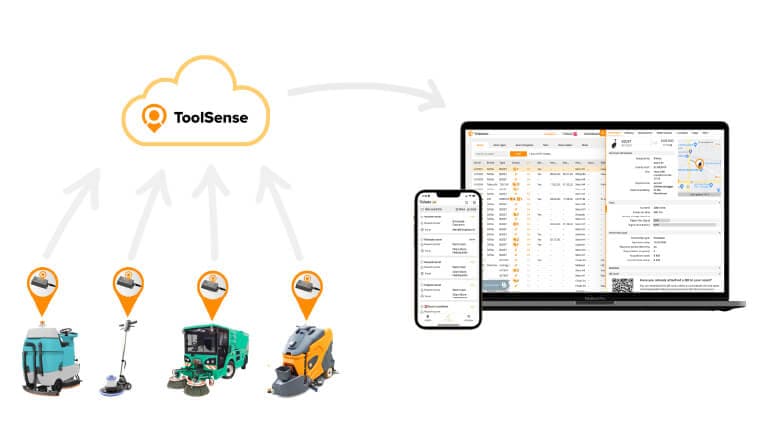
ToolSense is inventory management software that helps companies manage and monitor their stock. With ToolSense Asset Management Software, companies can automate the inventory process and save time while reducing error rates. ToolSense also provides real-time inventory monitoring and alerts, helping companies react quickly to changes. Inventory simplification procedures such as ToolSense help companies save time and costs while improving inventory accuracy.
FAQ
Which Inventory Types Exist?
There are five common inventory types: cut-off inventory, near-date cut-off inventory, perpetual inventory, sample inventory and shifted inventory.
How Many Inventory Types Are There?
There are five main inventory types.
Who Must Conduct Inventory?
Companies that sell or produce goods are generally required to conduct inventory.
Which Inventory Method Is Best?
There is no single best method because the right choice depends on company size, industry and specific requirements.
What Is a Near-Date Cut-Off Inventory?
It is an inventory type where a company is given a period around the balance sheet date, often 10 days after it under German rules.
What Is Meant by Inventory?
Inventory is a process in which a company records and monitors its stock to ensure that stock levels are current and correct.