Glossary
The German Accident Prevention Regulations, known as UVV, define procedures that help ensure the safety of work equipment and operating equipment. One of these binding procedures is the UVV inspection. Its purpose is to support occupational safety and health protection at work. This article explains how UVV inspections work and what companies need to consider.
The Topic in Brief
- A UVV inspection under DGUV Regulation 70 and occupational safety rules is used to inspect cars, machines and tools for workplace and traffic safety.
- DGUV regulations are binding legal rules in Germany, so UVV inspections are mandatory for companies and must be performed by a competent person.
- Digital machine management solutions make UVV inspections easier and save time and costs.
What Is a UVV Inspection?
A UVV inspection under the former BGV D29 and current DGUV Regulation 70 is a check that covers operational processes connected with technical work equipment and operating equipment. Companies are required to have accident prevention regulations checked regularly by a qualified and competent person.
German occupational safety rules also require regular accident prevention inspections for machines. Employers must carry out maintenance measures and ensure that all work equipment, including electrical machines, tools and auxiliary equipment, meets applicable safety and health requirements. These inspections are intended to reduce safety risks.
What Is Inspected?
The annual accident prevention inspection can cover the following work areas:
- UVV inspection for electrical installations
- UVV inspection for cars
- UVV inspection for construction machinery
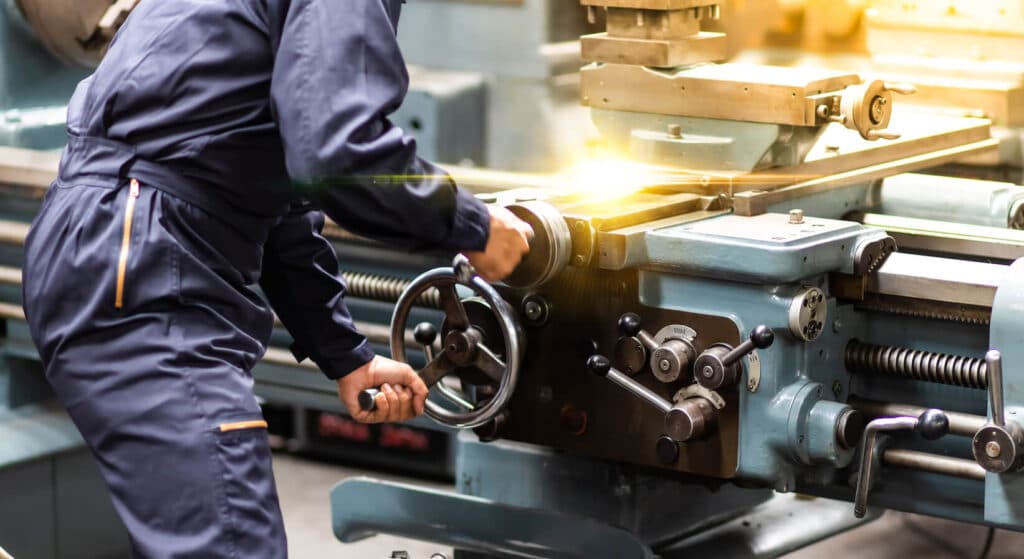
- UVV inspection for machines
- UVV inspection for gates
- UVV inspection for trucks
- UVV inspection for forklifts
- UVV inspection for pallet trucks
The inspection focuses primarily on operational safety, combining occupational safety and traffic safety. Defects must be corrected immediately. After a successful vehicle inspection, the vehicle receives an inspection sticker.
UVV Inspection Checklist
A UVV vehicle inspection checklist for passenger cars can include:
- General absence of damage
- Presence of warning clothing, such as high-visibility vests
- Availability of load securing equipment
- Roadworthiness of the vehicle inside and outside, including lighting, mirrors, wipers, airbags, belts, horn, displays, warning triangle and first-aid kit
- Brake function
- Steering and hydraulics
- Tires
- Trailer coupling
For electrical equipment, installations and machines, the following points are typically checked:
- Usability and functional condition
- Machine safety and proper technical safety condition
- Measures against lightning and overvoltage
- Protection against electrically ignited fire
- Protection against electric shock
- Energy efficiency
- Presence of warning signs
What Proof Must Be Provided?
Companies must keep an inspection log. In a vehicle checklist or machine inspection report, information about the inspecting person, scope of inspection, inspection date and identified defects is recorded in writing. Any safety concerns can also be noted, along with whether continued operation is possible. If necessary, the date for a follow-up inspection is documented as well.
Why Do Accident Prevention Regulations Exist?
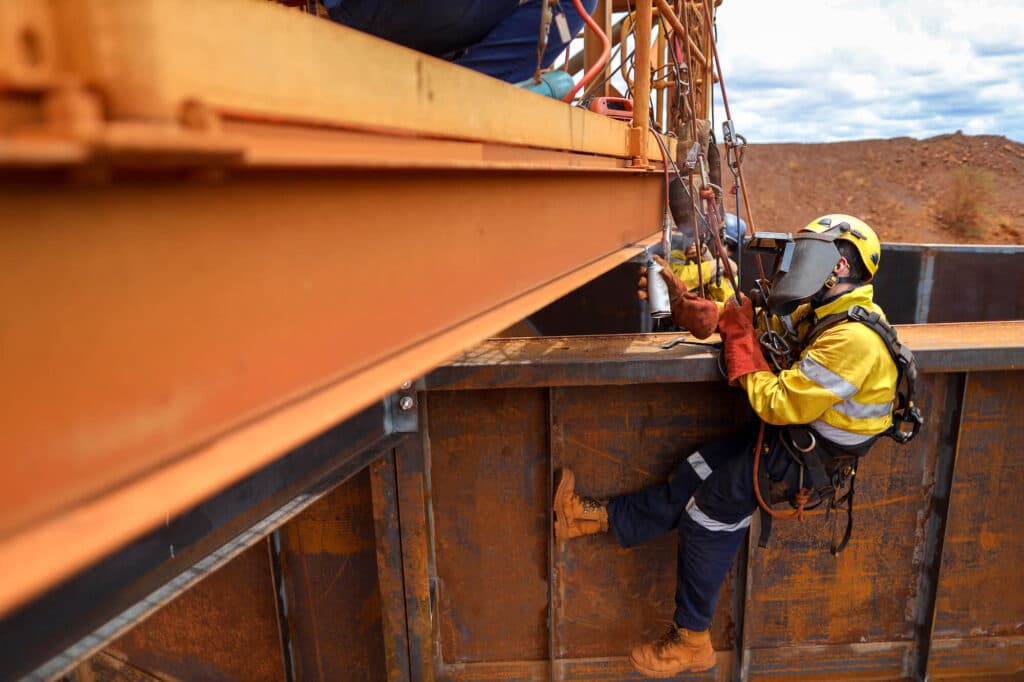
UVV regulations aim to reduce limitations in occupational safety and therefore possible causes of accidents. Technical work equipment such as machines and installations loses functionality over time. Wear or corrosion can cause equipment to stop working as intended. The consequences can include production defects as well as safety risks.
Manufacturers often specify inspection dates or maintenance intervals for their products to maintain unrestricted functionality. UVV rules give companies additional requirements and inspection intervals that must be observed under German workplace safety regulations. Companies that fail to comply may risk fines.
Is a UVV Inspection Mandatory?
Under German social accident insurance law, professional associations and accident insurance bodies have a prevention mandate and issue DGUV regulations. These are approved by the Federal Ministry of Labour and Social Affairs.
Accident prevention regulations are therefore binding legal rules in Germany. Employers are legally bound by the rules of the German Social Accident Insurance and cannot simply exempt themselves from the inspection requirement.
What Happens if DGUV Rules Are Violated?
Negligent or intentional violations can constitute an administrative offence and may lead to fines for fleet managers or companies. Businesses that repeatedly violate DGUV rules may face sanctions, in serious cases including consequences for their operating permissions. This makes the annual accident prevention inspection under DGUV Regulation 70 important for commercial fleets.
Who May Perform a UVV Inspection?
UVV inspections must be carried out by a competent person. Who qualifies depends on the specific field. A person is generally considered competent if their technical or product-specific training, professional work or relevant experience gives them the ability to perform the inspection properly.
The responsible person must know the accident prevention and occupational safety rules, the generally recognized technical standards, relevant EU directives and applicable VDE inspection requirements. These help prevent equipment damage and support occupational safety.
What Does a UVV Inspection Cost?
The price of a UVV inspection depends on the vehicles and machines being inspected. Because inspections take place regularly and may cover everything from lifting platforms to forklifts, costs can add up. UVV inspections for excavators and other construction machinery may cost roughly 40 to 80 euros. Depending on the vehicle type, vehicle inspection costs may range from around 20 to 110 euros.
Companies that want to reduce costs often combine vehicle UVV inspections with the main technical inspection. This can lower the cost per vehicle.
More employers and fleet managers are using digital tools for fast and simple UVV inspections. Digital driver instruction and inspection workflows reduce administrative effort. Employees can complete instruction and inspections from a smartphone, which can reduce real costs.
UVV Inspection vs. Main Technical Inspection
The DGUV inspection relates to fleet management in commercial operations and reviews both traffic safety and occupational safety. By contrast, the main technical inspection checks all vehicles that require registration and focuses only on roadworthiness.
In Germany, the main technical inspection is commonly associated with TÜV. It must be carried out regularly, usually every 12 or 24 months. If a vehicle is no longer roadworthy, defects must be corrected immediately. If roadworthiness cannot be restored, approval to operate the vehicle can be withdrawn.
How Often Must a UVV Inspection Be Performed?
For a long time, UVV inspections had to be performed at least once per year. Today, German workplace safety rules place responsibility on operators and companies to determine inspection intervals for devices and work equipment based on risk assessment.
However, inspection intervals cannot simply be extended to save costs. Professional association guidelines state that changing inspection periods is only allowed when strictly necessary. The operator must provide plausible evidence explaining why an interval longer than one year is justified.
Digital UVV Inspection With ToolSense
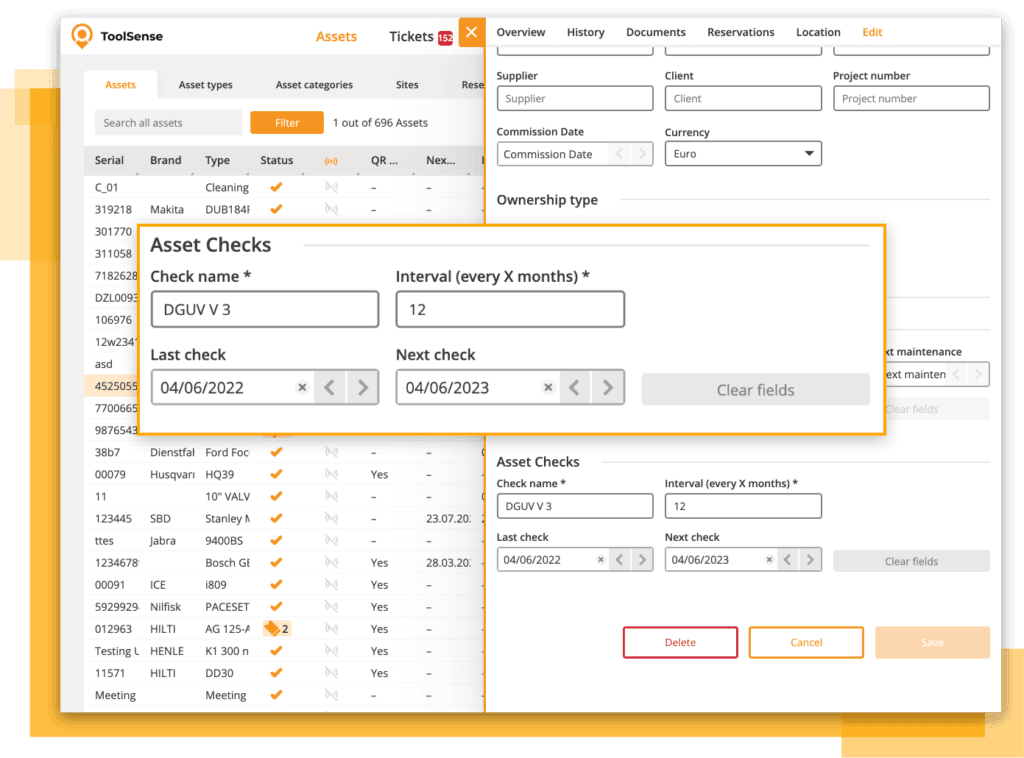
ToolSense is useful software for UVV inspections. Fleet managers and employees can create digital documentation for vehicles and machines quickly and easily with a UVV inspection app.
Digital Documentation for All Machines and Vehicles
With ToolSense Asset Management Software, fleet operators and employees can define maintenance rules and inspection intervals digitally for machines and work equipment. When a date is due, the responsible person receives automatic app notifications. The reminders include information about what must be done under the relevant rules.
Digital Damage Reports
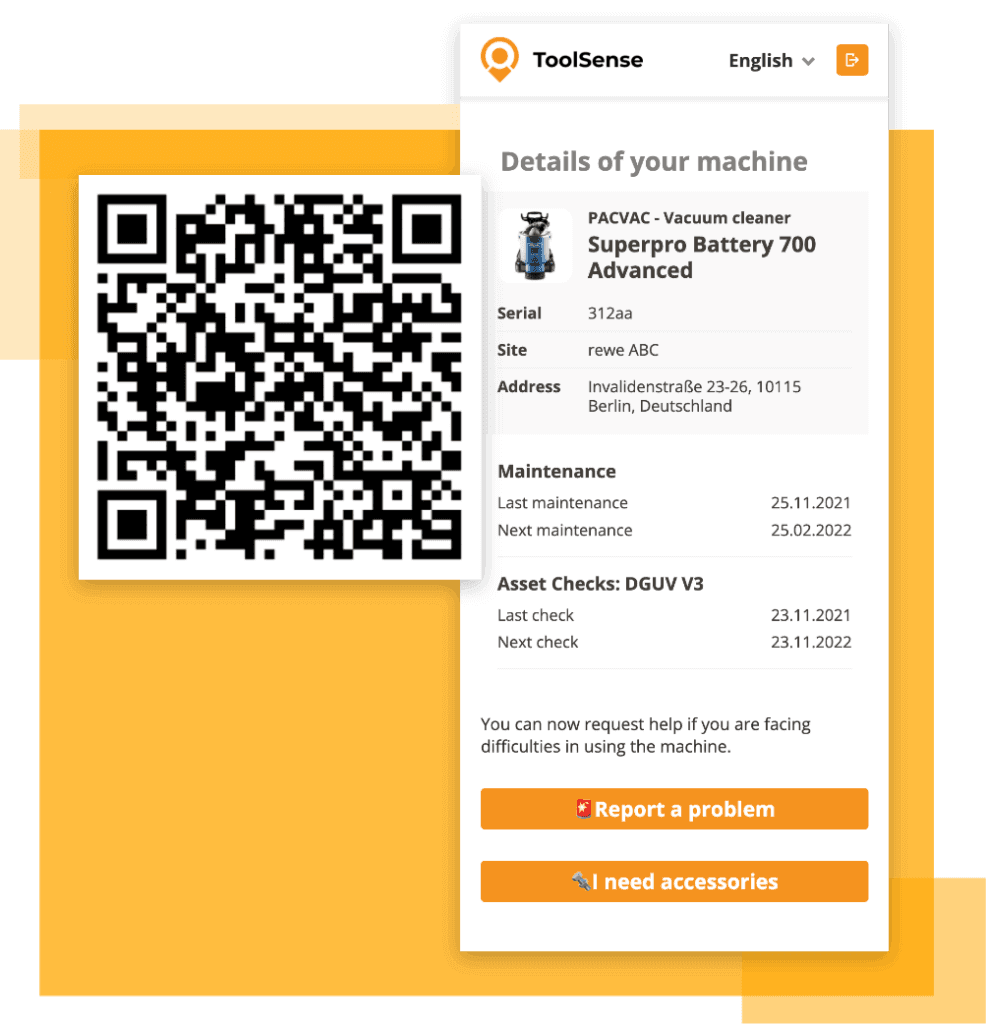
ToolSense allows teams to record tickets for machines and work equipment and forward them to the responsible department. For example, damage reports can be submitted by QR code. Employees scan the code and describe the issue in a few clicks.
The automatically generated ticket is sent to the responsible employee, who can see all submitted information and open the machine lifecycle file. The ticket can then be processed or delegated.
Simplified Machine and Equipment Management
Machines from any manufacturer can be managed in one central interface with ToolSense. A simple Excel import is enough to map a complete machine and equipment fleet. Each machine receives a unique QR code that can be attached to it, allowing operators to identify the machine and perform actions at any time.
Benefits of ToolSense for UVV Inspections
- Equipment processes, including UVV inspections, can be digitized quickly and simply.
- Every machine has its own lifecycle file where all relevant actions are stored.
- ToolSense is simple and fast, so employees can use it without extensive training.
Conclusion
Accident prevention regulations, or UVV, are rules issued by German accident insurance bodies. They govern the handling of vehicles and work equipment and support occupational safety. Operators must have vehicles, machines and work equipment inspected by a competent person at appropriate intervals. More fleet managers are using digital solutions such as ToolSense for UVV inspections.
FAQ
What Is a UVV Inspection?
A UVV inspection checks whether company vehicles and machines are in a safe condition for traffic and operation. It reviews work equipment for wear and other damaging influences, with a focus on operational safety and employee protection.
What Does a UVV Inspection Include?
For motor vehicles, UVV inspection checks occupational and traffic safety. The vehicle is examined inside and outside, and the condition is documented in writing with a checklist. Tires, brakes, load securing, mobile add-on parts, trailer coupling, warning triangle and first-aid kit may all be checked.
Who May Perform UVV Inspections on Construction Machinery?
Only competent, qualified people may perform UVV inspections. This usually includes people who have gained the required technical knowledge through work, training or relevant professional experience.
Is UVV Inspection Mandatory?
Yes. DGUV regulations are binding legal rules in Germany as part of accident prevention and are mandatory for employers and fleet operators.