Maintenance
How do companies keep machines and systems reliable while avoiding expensive failures? Four concepts are central: inspection, servicing, repair and maintenance. They are often used interchangeably, but they describe different activities with different goals.
In Brief
- Maintenance is the umbrella term for actions that preserve or restore the target condition of technical systems.
- Inspection determines the actual condition of an asset.
- Servicing slows wear and keeps equipment functional.
- Repair restores the target condition after damage or failure.
- Digital workflows help plan, document and evaluate these activities.
What Is Maintenance?

Maintenance is the umbrella term covering inspection, servicing, repair and improvement. According to the German DIN 31051 framework, maintenance includes all measures used to preserve or restore the target condition of a technical system.
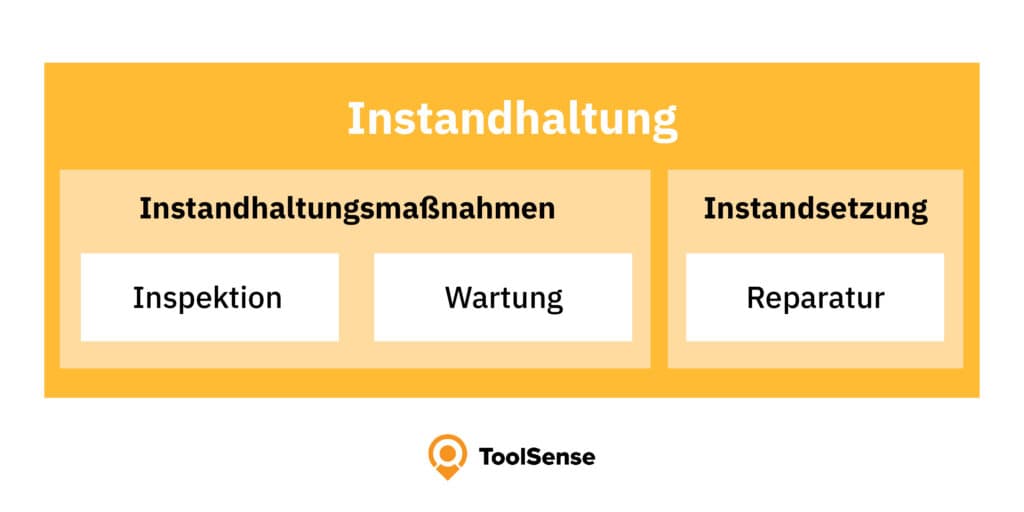
The aim is to reduce failures, extend asset life and keep equipment safe to operate.
Preventive vs. Predictive Maintenance
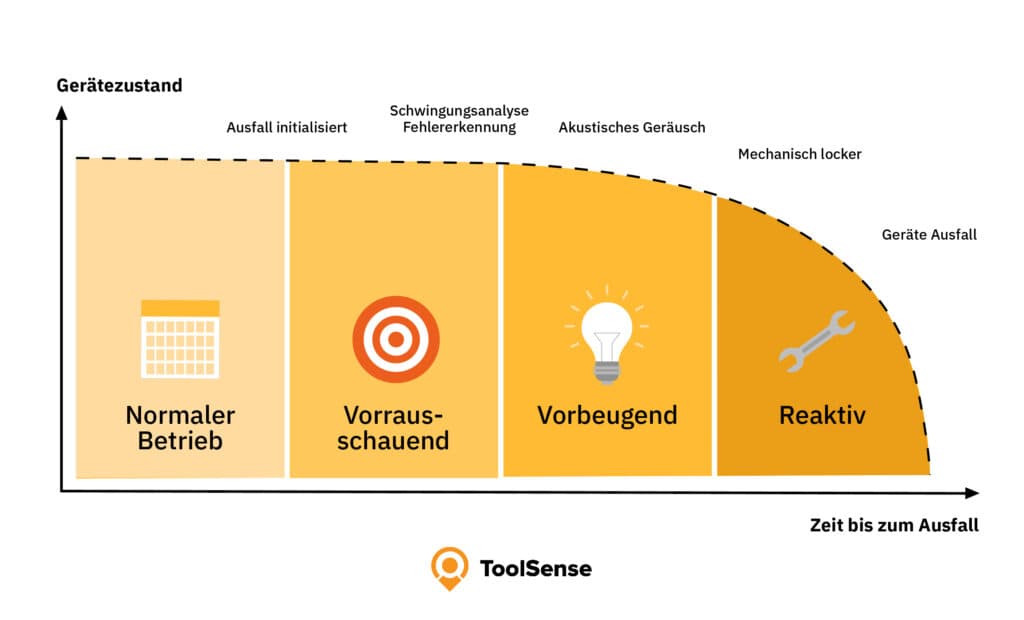
Preventive maintenance is based on fixed intervals or usage thresholds. A machine may be serviced every six months, regardless of its exact condition. Predictive maintenance uses sensor and IoT data to identify signs of an upcoming issue and trigger action only when needed.
| Criterion | Preventive maintenance | Predictive maintenance |
|---|---|---|
| Basis | Time or usage interval | Condition data |
| Goal | Avoid wear and failure | Detect specific risks early |
| Cost | Predictable, often lower upfront | Higher setup, long-term savings |
| Best fit | Simple or stable assets | Complex or critical machines |
Goals of Maintenance
Maintenance has two core goals. First, it determines the actual condition of an asset. Second, it preserves or restores the required target condition. That is why inspection, servicing and repair are closely connected.
In many sectors, maintenance is also a legal or contractual duty, especially where public safety or workplace safety is affected.
Where Maintenance Matters Most
Maintenance is important wherever equipment failure creates safety risks, cost or productivity loss.
- Safety-critical sectors: rail, aviation, bridges, lifts, power grids and medical devices.
- Industrial manufacturing: production lines, chemical plants and process equipment.
- Facility management: HVAC, lifts, fire alarm systems and cleaning machines.
- Construction: cranes, excavators, mixers and other high-value equipment.
- Regulated areas: electrical tests, scaffold inspections or similar legally required checks.

What Is Inspection?
Inspection determines the actual condition of an asset. It checks whether a machine or system is safe, functional and within acceptable limits. After the inspection, results are documented.
Inspection can include:
- Visual checks of wear parts
- Wear measurements
- Corrosion checks
- Assessment of damage
- Comparison of actual and target values
- Root-cause analysis of abnormal wear
What Is Servicing?
Servicing includes measures that slow wear and preserve function. Typical work includes cleaning, lubrication, adjustment, replacement of wear parts, software updates or calibration. Servicing is usually planned and documented.
Regular servicing can also be important for warranty claims, because manufacturers often require proof of service intervals.
What Is Repair?
Repair restores an asset after damage, defect or failure. It can include replacing parts, correcting defects, testing the system and documenting the result. Repair is often reactive, but it can also be planned if inspections reveal a developing fault.
How ToolSense Helps
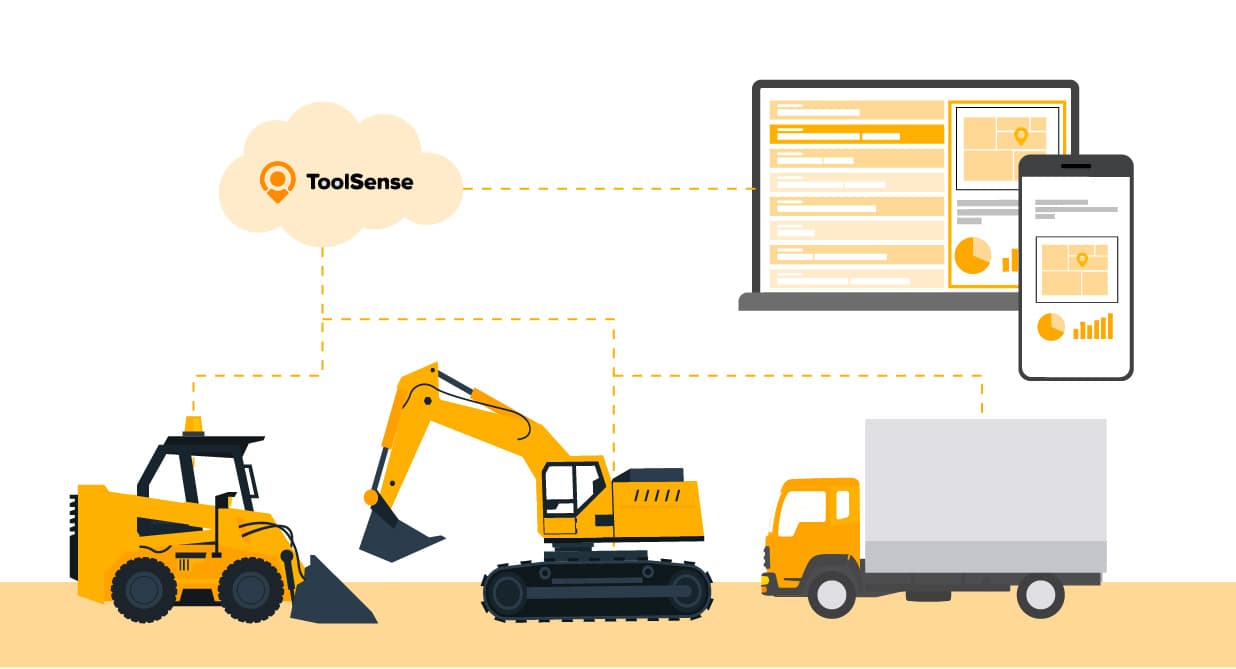
ToolSense helps teams digitize maintenance workflows. Assets can have lifecycle folders with inspection reports, service schedules, repair history, photos, videos, documents and work orders. QR codes and IoT data make it easier to report defects, trigger tasks and analyze recurring issues.
Conclusion
Inspection, servicing, repair and maintenance are connected, but not identical. Inspection assesses condition, servicing slows wear, repair restores function and maintenance is the overall framework. Clear definitions help teams plan work, document compliance and reduce downtime.
FAQ
What is the difference between inspection and servicing?
Inspection checks the condition of an asset. Servicing performs tasks that preserve function and slow wear.
Is repair part of maintenance?
Yes. Repair is one part of maintenance because it restores the target condition after damage or failure.
Why is maintenance important?
It reduces downtime, supports safety, protects asset value and helps meet legal or contractual duties.
How can maintenance be digitized?
With asset management software, QR codes, mobile checklists, work orders, service reminders and IoT data.