Maintenance
Walk your factory floor and everything looks fine. The machines hum, the tools are where they should be, work gets done. But the inefficiencies that quietly drain a budget rarely announce themselves. Poorly managed equipment can cost a plant hundreds of thousands of dollars a year, and most of that cost never shows up as a single dramatic failure.
That is the gap MRO is meant to close. MRO — maintenance, repair, and operations — keeps production reliable by making sure equipment, tools, and supporting materials are on hand and in working order. Here is why it matters for both productivity and cost control.
Key Takeaways
- MRO stands for maintenance, repair, and operations or – in some cases – overhaul.
- It includes all actions needed for the upkeep of a facility and to keep the production process running without directly involving the production process.
- There are a lot of details to proper MRO management, which is why a proper maintenance, repair, and operations software can help keep an overview and manage these processes.
What Does MRO Stand For?
MRO means maintenance, repair, and operations. It covers every step needed to keep a facility running: the building itself, the systems inside it, and the machines that produce whatever the business sells. That spans the maintenance of the structure as well as the maintenance management of critical equipment.
Examples of MRO and MRO Materials
MRO touches almost everything in a company's day-to-day operation. The examples below break down the areas that fall under maintenance, repair, and operations, along with the materials each one depends on.
Facility Management
The facility — a factory, an office, a storage site — is the ground everything else stands on, so it sits at the center of MRO management. Anything tied to the building needs regular servicing, and the materials used to do that work count as MRO materials. This matters most for in-house facility management teams that handle upkeep across their own sites.
Industrial Equipment
Industrial equipment used to make a product or deliver a service is core to MRO. MRO parts for industry typically cover the materials that keep machines running — motors, pumps, spare parts, and the like.

Consumables
Consumables belong in MRO planning too. Cleaning and office supplies keep the workflow moving and have to be available at all times. Glue, gloves, goggles, safety glasses, and dust masks all fit the MRO inventory definition.
Maintenance Supplies
The same goes for the supplies maintenance work runs on. Tools, spare parts, and related equipment play a daily role in operations, so they belong squarely inside MRO management.
Safety Equipment
If your staff needs safety equipment to do their jobs, it can't be an afterthought in your MRO program. Faulty gear doesn't just stall a project — it puts the people doing the work at risk.
Which Category Do MRO Materials Belong To?
Company spending splits into two categories.
Direct Spending
Direct spending covers purchases that feed straight into production, such as production materials and raw materials.
Indirect Spending
Indirect spending covers purchases that don't go into the product or service themselves but are still needed for a smooth workflow — think office supplies or safety gear. MRO materials sit here.
The Different Types of MRO
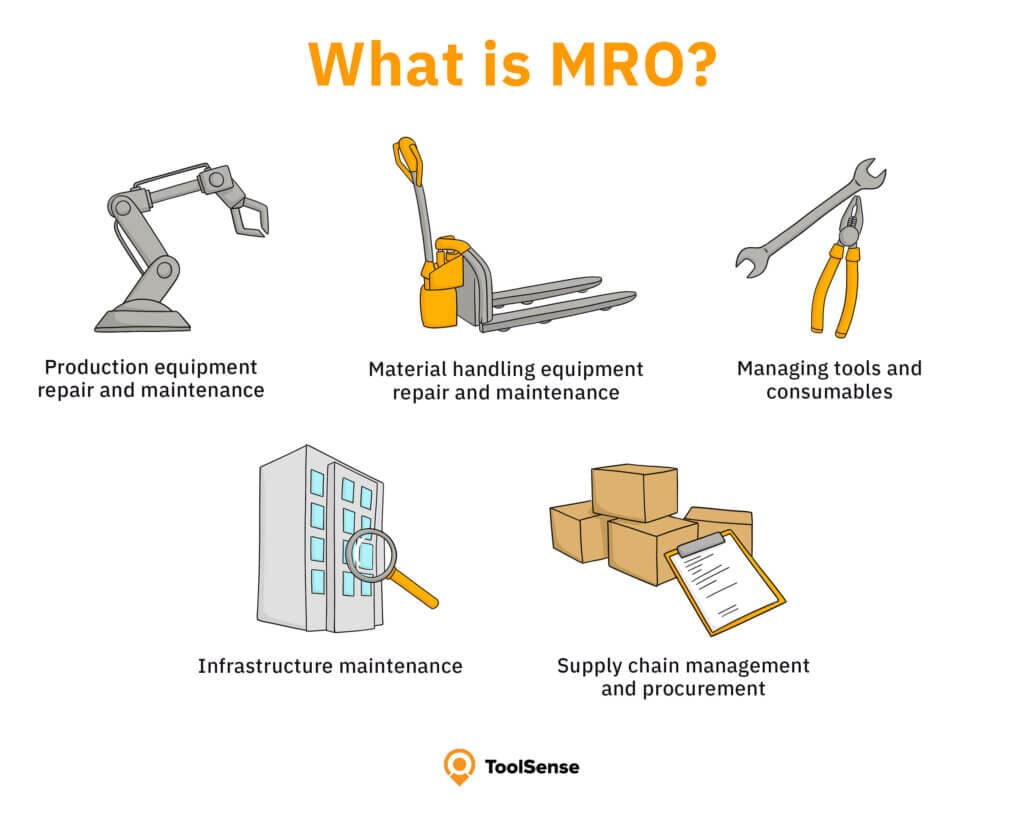
Infrastructure Repair and Maintenance
The facility — factory, office, or storage building — is critical to the business, and a fault in the building can halt production as fast as a broken machine. Electrical MRO, lighting systems, cleaning, even pest control all fall under infrastructure repair and maintenance.
Production Equipment Repair and Maintenance
When critical equipment breaks or starts to falter, productivity drops fast. Regular preventive maintenance is the way to keep that downtime from happening. This category focuses on the machines and equipment the production process actually depends on. Any asset in regular use will show wear, and preventive maintenance anticipates what is most likely to break next, watching spare-part stocks and orders so a fix is ready before it's needed. Emergency repairs on production equipment land here too.
Material Handling Equipment Maintenance
Not every machine touches the product directly, but plenty of them keep the process moving, which is why they belong in MRO. Depending on what you make, that might mean storage systems, forklifts, or conveyor systems. These count as maintenance, repair, and operations as well.
Tooling and Consumables
This last category is deliberately broad. It catches the small, easily overlooked pieces of equipment that vary from one business to the next — small power tools, hand tools, or office supplies. At a large company these items go missing all the time, so they shouldn't drop off the maintenance plan.
The effect of MRO: Inventory Management and Supply Chain Management improved
Industrial MRO can sharpen a company's supply chain and inventory management. When production leans on many different materials, missing even one or two can be expensive. At worst, a single shortage stops the line, drags down output, and costs revenue.
Take MRO inventory management seriously, back it with MRO software, and you keep a live view of stock — spare parts and materials included — so vital supplies don't run dry. Shortages get caught and fixed before they reach the floor. Good MRO management also saves money: planning ahead means more time to find better deals on parts and raw materials and to control shipping costs. Scramble for parts in an emergency, on the other hand, and you'll pay a premium on both the materials and the delivery.

Why Is MRO Important?
At a lot of companies, MRO is still treated as an afterthought — yet it's what makes a smooth workflow possible in the first place. Done well, it pays off in several ways.
1. Safety Benefits
Service buildings, machines, and safety equipment on a regular schedule and you create a safer work environment. Preventive maintenance surfaces flaws before they turn into workplace accidents. In short, MRO keeps employees safe.
2. Improved Workflow
Machines fail without warning, and when they do, the disruption ripples through productivity. But predictable wear and minor faults usually show up under proper MRO and equipment management long before they become real problems. Catching them early cuts downtime and keeps production steady.
3. Financial Benefits
MRO and MRO software can look like pure cost up front, but the returns outweigh the spend. Reduced downtime saves time over the long run, and the surprise repair bills that usually blindside a budget become far easier to predict — or avoid altogether — with regular maintenance.
4. Predictability
Run MRO consistently and your production process becomes a lot easier to forecast. Scheduled repairs, maintenance appointments, and audits come with set dates you can plan around, which means fewer surprise interruptions and a process you can actually tune for efficiency.
How To Make MRO More Efficient
Improve MRO Procurement Process
Keeping a facility and its production equipment running can call for a long list of materials, and that list eats both budget and storage space. The right system — MRO software like ToolSense — brings that indirect spending down. With solid inventory management and planning, MRO logistics bend to fit the company: you know exactly when to reorder, where to source materials cheaply, and how much to keep on the shelf.
Use Vendor-Managed Inventory (VMI)
Vendor-managed inventory, also called supplier-managed inventory, gives a supplier visibility into your stock. The supplier then decides when to ship, stepping in as levels run low. You hand off responsibility for the inventory and let the vendor set the frequency and size of orders — which removes the risk of missing a shortage or misjudging a delivery window.
Improve MRO Workflows
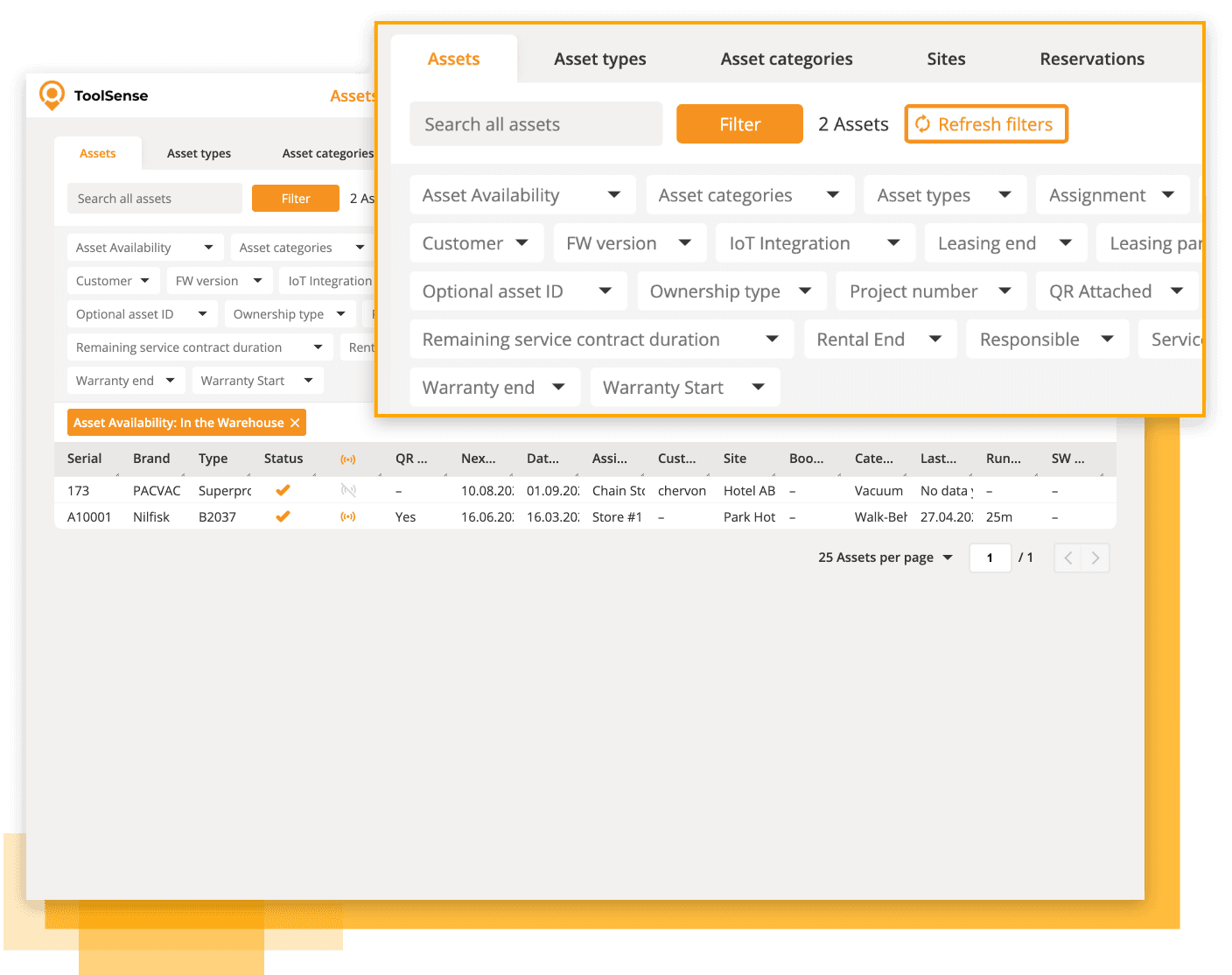
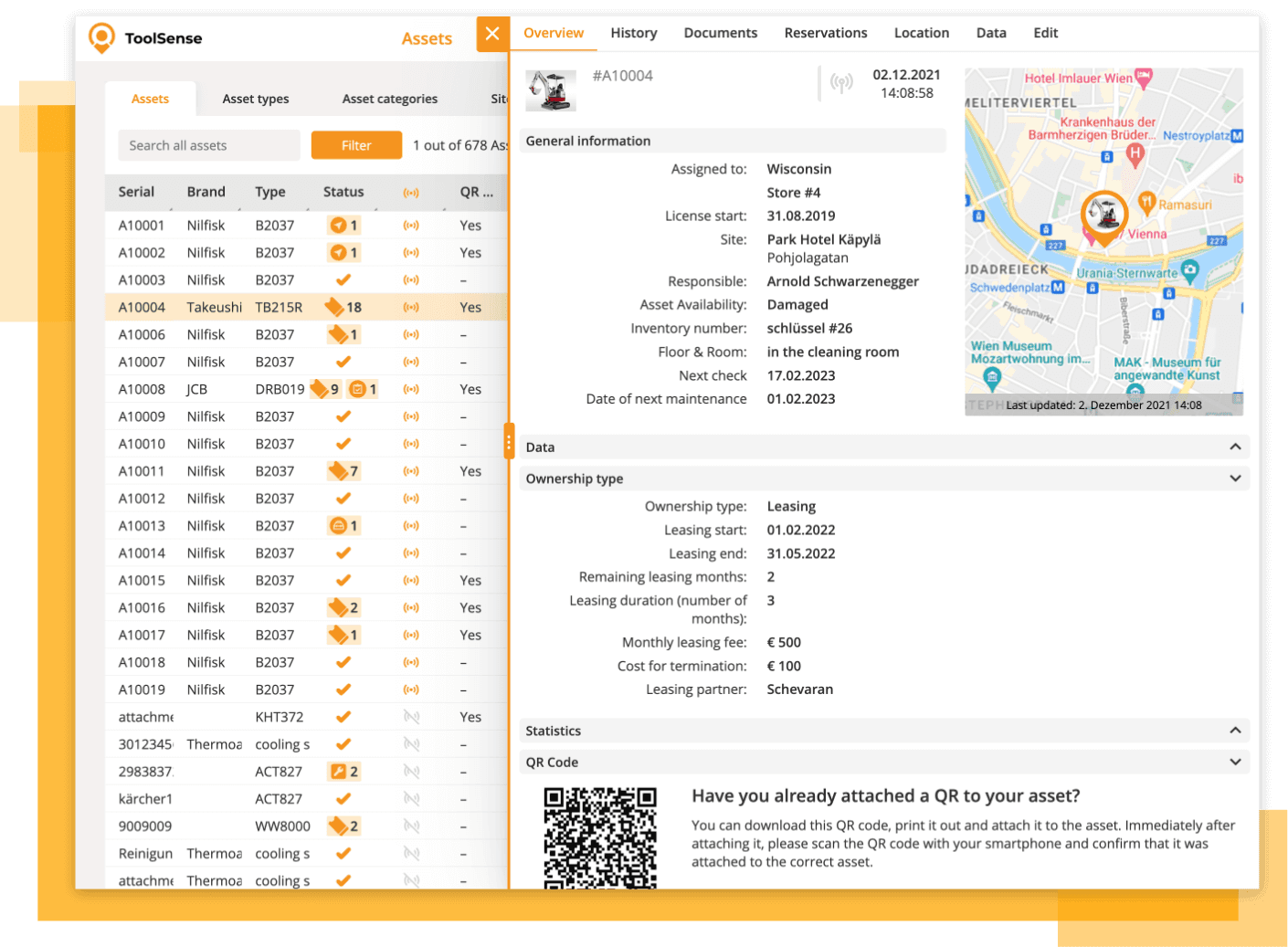
A weak MRO workflow leaks money and lets problems slip through the cracks, usually because communication and organization are poor. Maintenance, repair, and operations software from ToolSense closes those gaps. It keeps you on top of the work, gives you an overview of all assets and machines, organizes upcoming tasks, and manages work orders — so the whole workflow runs with a clear line of communication and direct assignments.
How Does Maintenance Management Software Make MRO Easier?

Improve Your Decision-Making
MRO trackers carry real weight in decision-making. A tracker — or ToolSense's QR code system — gathers machine data: runtime, downtime, repair and spare-part requests, work orders, and more. With that in front of you, you can pinpoint how efficiently each asset runs, analyze repair costs, and make the most economical call for the business.
Schedule and Track Preventive Maintenance
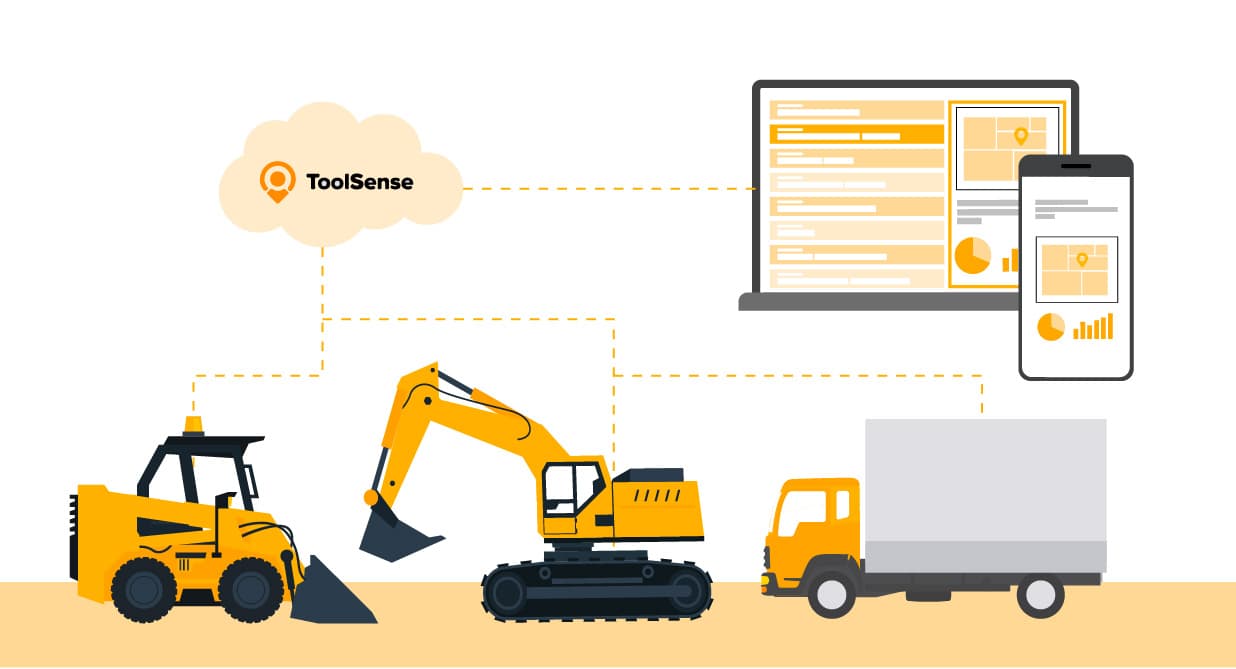
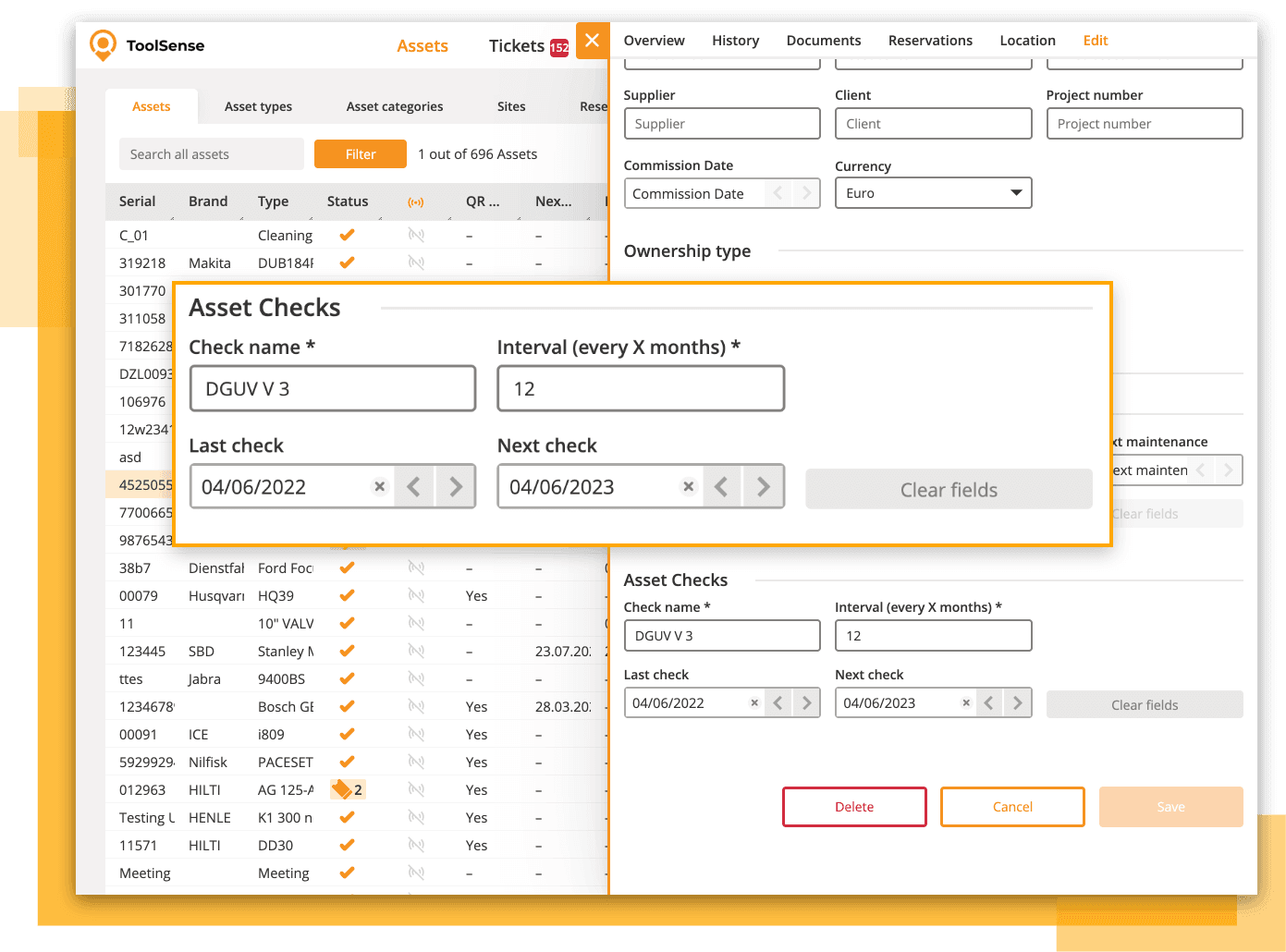
ToolSense keeps a record of every machine, vehicle, and piece of equipment, along with the details that matter for each one. You set service intervals and let the system generate automatic reminders when an appointment comes due. A worker scans the QR code on the machine, reports the status, and the update lands where every responsible employee can see it. Completed or failed services are tracked the same way, and spare-part orders go out in a few clicks.
MRO vs. OEM
OEM stands for original equipment manufacturer. Sticking exclusively to OEM materials has its trade-offs, and many companies turn to aftermarket materials and spare parts for their MRO procedures instead.
Conclusion
MRO can read as tedious and expensive on paper. In practice, a clever MRO software like ToolSense tends to save a company time and money — automating the recurring work, tightening communication, and putting a clear view of every asset in front of the people making the decisions.
FAQ
What Does MRO Mean?
The correct MRO (maintenance, repair, and operations) definition implies all actions necessary to maintain a production process, including actions surrounding the facility, the materials, and the equipment.
What Is the Work of MRO?
Maintenance, repair, and operations, MRO for short, has the purpose of maintaining a facility and the equipment inside it to ensure that everything is in working order and running smoothly.
What Is MRO Material?
MRO materials are those materials that do not end up in the finished product, but are still essential to the production process. This can include materials like office and cleaning supplies, replacement parts, or other consumables.
What Is the Meaning of MRO in Aviation?
MRO stands for maintenance, repair, and operations – or, alternatively, overhaul. MRO in aviation includes all actions involved in the maintenance of an aircraft , and is especially important in this field to ensure the safety of workers and passengers. A specific aircraft MRO software can make MRO management easier.
Is Repair and Maintenance an Operating Expense?
Unless the maintenance and repair actions drastically improve a machine’s lifecycle , MRO costs for equipment, machines, or buildings are considered operating expenses.
What Is MRO Procurement or Purchasing?
MRO procurement or purchasing refers to the buying of all products related to maintenance, repair, and operations. This includes all items that are needed for the upkeep of a business.