Equipment Management
IoT in construction connects machines, tools, vehicles and site equipment to digital systems so teams can make decisions from fresher operational data. Sensors and connected devices support asset tracking, maintenance planning, safety processes and cost control. This article looks at where IoT is reshaping the construction landscape and where it can genuinely improve how projects are run.
Key Takeaways on IoT in Construction
- IoT in the construction industry: It changes how projects are managed, how efficiently work gets done, and how safe the site is — which is why it keeps moving from optional to expected.
- Asset management and IoT: Connected devices help construction firms get more out of their tools, equipment and fleet, which cuts waste and improves how resources are used.
- Construction site safety: IoT raises on-site safety by adding hazard monitoring and worker protection that older methods can't match.
- Real-world applications: Case studies from the field show what successful IoT integration looks like — fewer manual steps, smoother operations.
- A future imperative: Adopting IoT, especially in asset management, is becoming the price of staying competitive as the sector goes digital.
IoT in the Construction Industry – The Fundamentals
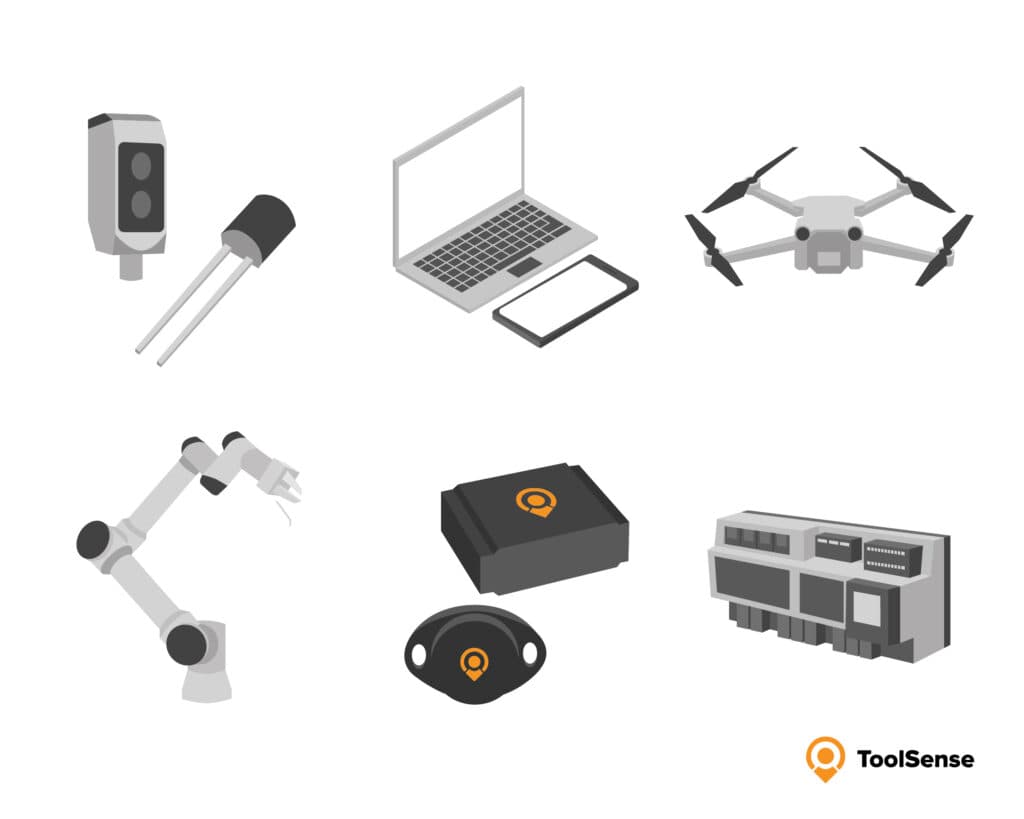
The construction industry is turning to IoT to lift productivity, tighten operational efficiency, and improve on-site safety. The devices doing this work include:
- sensors
- mobile devices
- drones
- robotics
- IoT hardware devices
- building automation systems
Together they let construction managers monitor sites far more closely, and in more ways, than before. The sector's growing interest in IoT signals a real shift in how projects will be managed — even if some measures and devices are easier to roll out than others.
The practical wins cover resource and budget management, safety, and waste reduction. With real-time data in hand, managers can make decisions on the spot and order repairs before small problems grow, which feeds straight into productivity and customer satisfaction. As the technology matures, its role in construction will only grow.
Integration and Application of IoT in Construction – Top Use-Cases
IoT shows up across construction in very different forms, from wearables that protect workers to sensors that watch structural health. The common thread is sharper project management and better odds of finishing on time and on budget. That said, construction has been slower than most industries to adopt new technology, and IoT is no exception.
The picture is changing, though. More companies now see the upside and are working out how to fold it into day-to-day operations. The leading use-cases include:
- Fleet management
-
Tools and equipment tracking
- Machine control
- Construction site safety
- Project management
- Site monitoring
The sections below walk through each one and how it adds to overall efficiency in the field.
Fleet Management
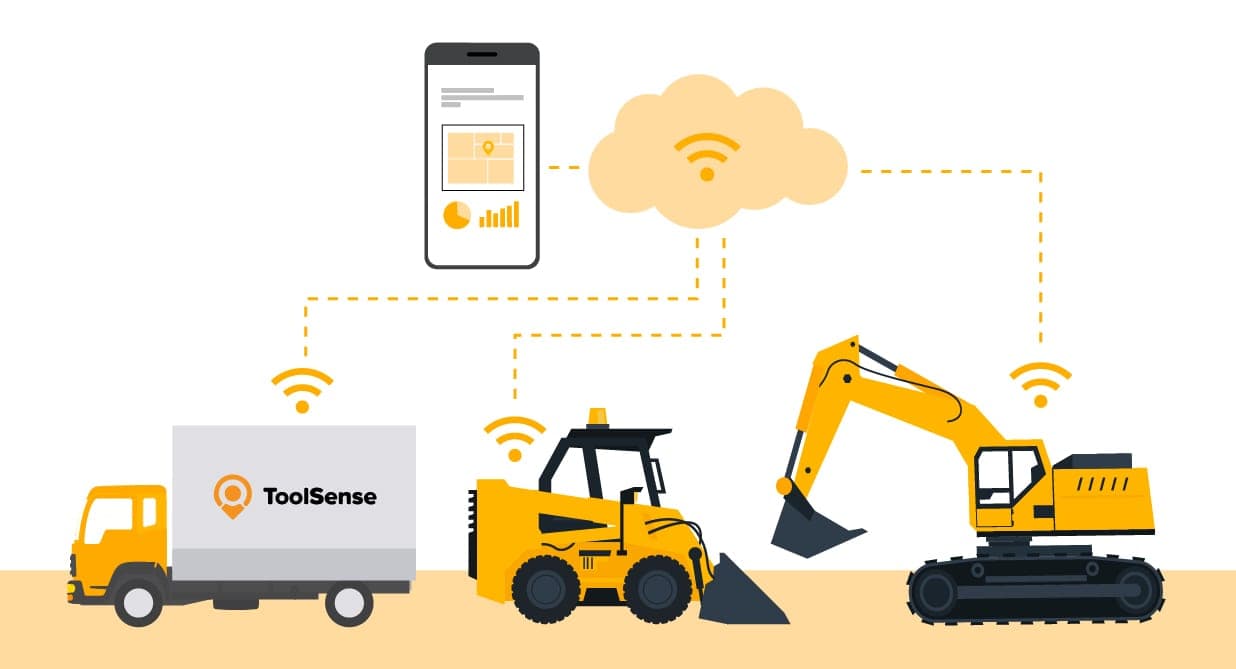
IoT is steadily rewriting how construction fleets are run. Instead of the old manual methods, it brings automated tracking of both vehicles and key equipment. That alone lifts productivity, strengthens safety, and makes site monitoring more effective. It also smooths out transit routes and vehicle maintenance, and it feeds into the messier human-resource side of running a project.
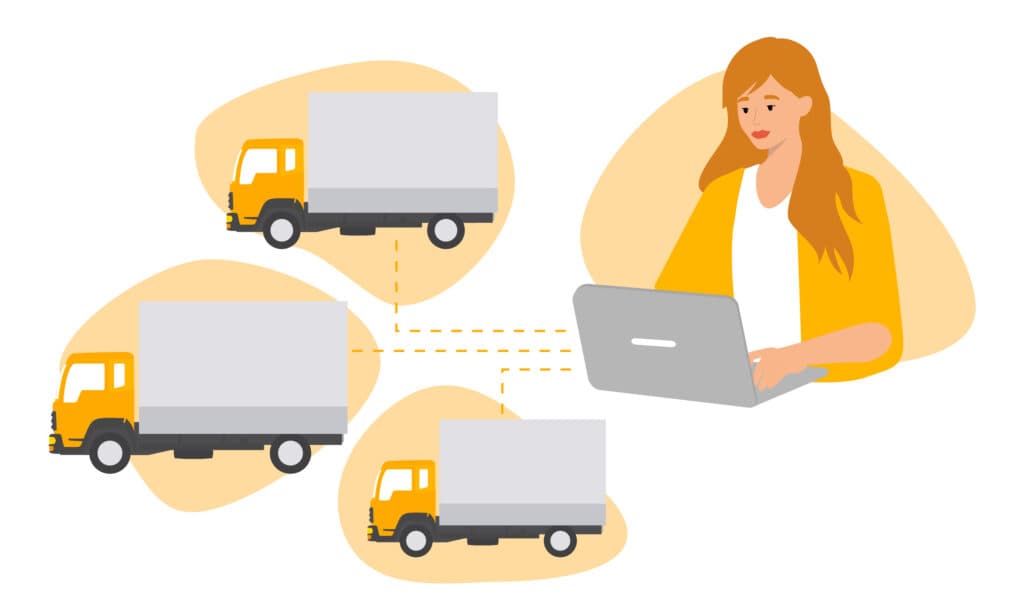
The value goes beyond knowing where a vehicle is. IoT covers timely maintenance, parts management, and getting more use out of every machine. Take IoT-enabled fuel sensors: they track consumption, make refueling easier to manage, and let teams schedule maintenance and upgrades before a machine forces the issue. The payoff is lower project costs and shorter timelines.
This is a real shift in how firms manage their vehicles and machinery — toward decisions backed by data, where every part of the fleet is watched and tuned for performance. The result is a safer, more cost-effective site, and a clear sign that technology now sits at the center of daily construction work.
Tools, Equipment & Machine Tracking
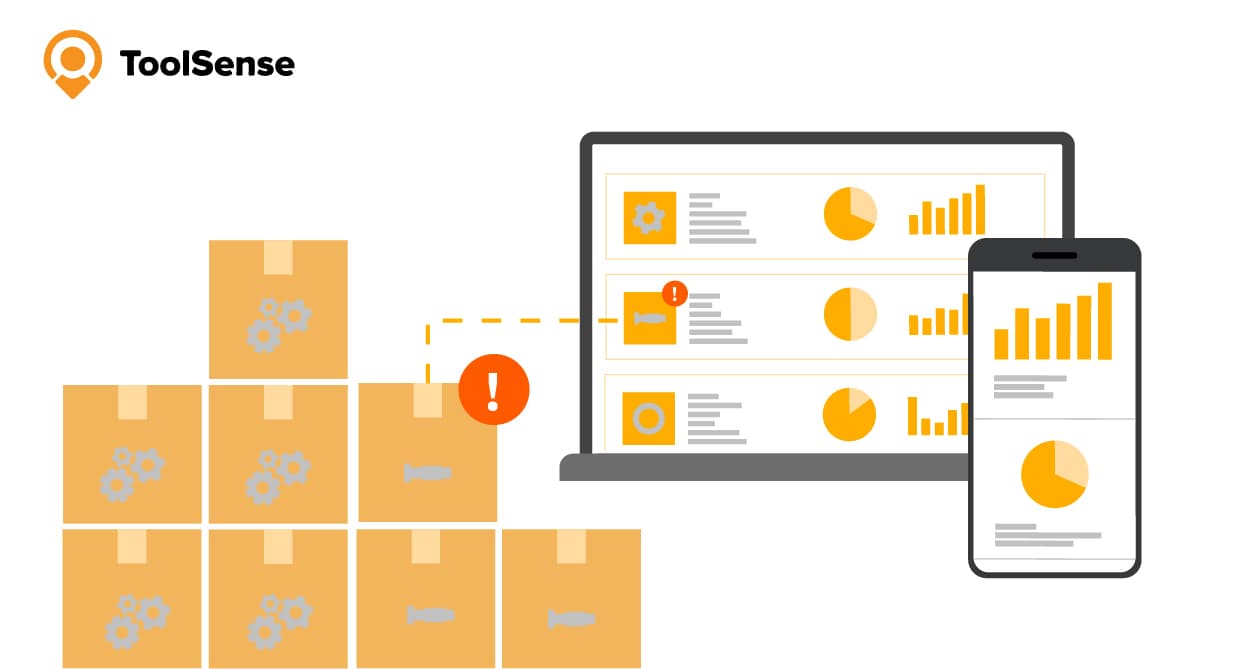
IoT devices are central to keeping tabs on tools, equipment and machines across a site. Precise monitoring raises productivity and trims operating costs. When a tool goes missing, connected devices help locate and recover it fast, so crews waste less time and money chasing down gear. GPS trackers with IoT sensors handle accurate location and oversight of both equipment and vehicle fleets.
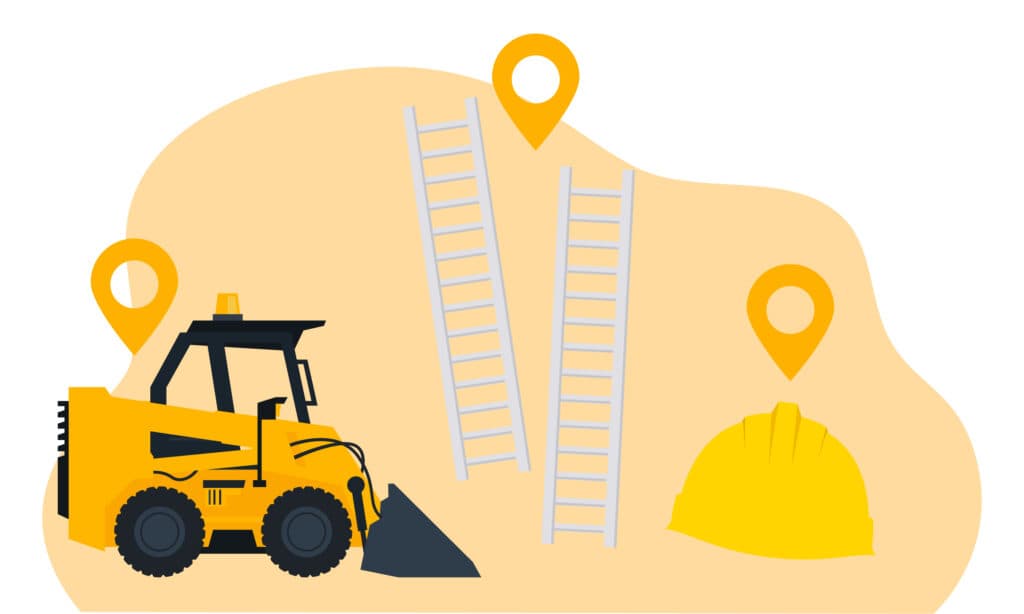
These devices also help with waste management and theft prevention on construction sites. Picture IoT-connected drones patrolling a worksite to deter theft — still some way off for most building sites, but location sensors embedded in equipment are already standard practice. Tracking tools, equipment and machines this way makes better use of resources and keeps project management tighter.
Machine Control
Machine control is one of IoT's most valuable roles in construction. It delivers precise machinery operation alongside real-time updates on progress, movement and status. With that connectivity, teams can plan and sync construction activities deliberately, lifting productivity while cutting delays.
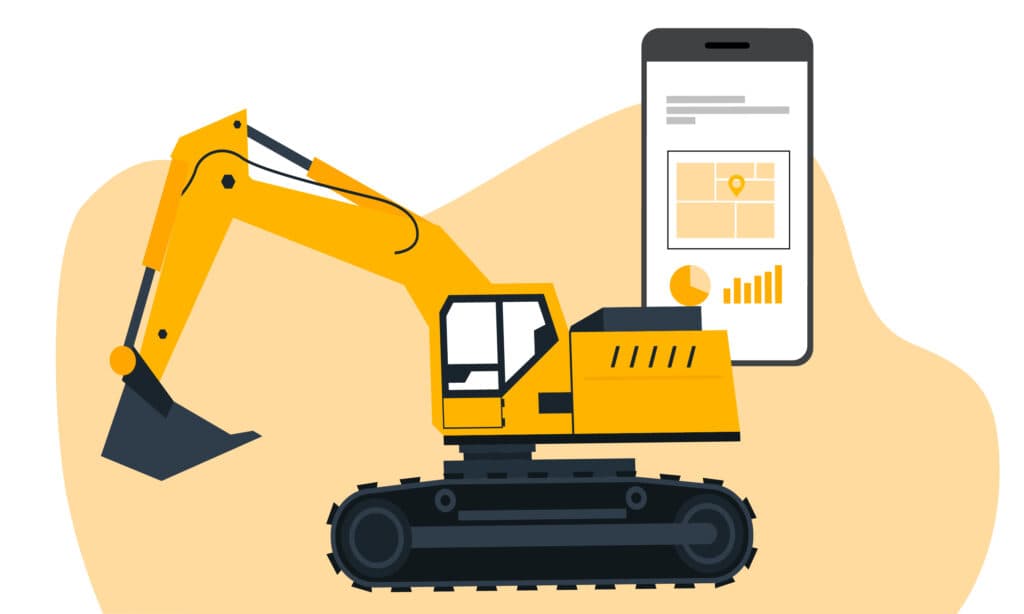
It started in heavy civil construction, but as the technology matures it's reaching a wider range of projects. Pairing machine control with wearables and safety sensors is a good example of how versatile IoT has become, with clear gains in both efficiency and on-site safety.
Construction Site Safety
IoT has raised the bar for site safety. Sensors can monitor workers' health and alertness, track site conditions, and build real-time maps that flag new risks. Smart wearables — helmets and boots tied into IoT systems — track vital signs and location, warning workers of imminent danger and letting HR managers keep proper oversight of personnel.

These safety sensors help prevent accidents by:
- Promptly alerting operators or halting heavy machinery when it nears workers.
- Monitoring environmental hazards such as toxic gases or extreme temperatures.
- Alerting staff when environmental readings indicate danger levels.
Used this way, IoT makes for a safer work environment and meaningfully lowers the chance of an accident.
Project Management
IoT has a deep effect on project management, sharpening communication, reporting and workflow coordination. By automating routine steps and letting data flow between systems, connected devices keep managers current on where a project stands and make it easier to decide what comes next.

Sensors streamline operations and cut costs at the same time, mostly through better visibility into how assets are used and how maintenance and repairs are handled. IoT-enabled concrete-curing sensors, for instance, track the material's maturity in real time, so tasks can be scheduled and executed with confidence. Applications like these push efficiency up, hold costs down, and keep projects on schedule.
Site Monitoring
Site monitoring is a core part of IoT in construction, built on sensors that record jobsite conditions continuously. Teams can watch temperature, humidity, noise and vibration remotely, which keeps both safety and regulatory compliance in view.

Companies like pillar.tech produce smart sensors that measure temperature, humidity, pressure, dust, VOCs and noise, giving sites a single, well-rounded monitoring setup.
IoT also matters for structural health monitoring. Managers can assess the condition of materials and structures from a distance, spot where repairs are needed, and step in before problems escalate. Done well, site monitoring sharpens efficiency, lowers risk, and tightens project management across the board.
Benefits of IoT in Construction
The advantages of IoT in construction change how projects are managed and delivered. The main ones, drawn from the use-cases above, are:
- Higher efficiency: IoT streamlines construction processes, reducing downtime and getting more
out of available resources. Real-time tracking and
predictive maintenance
are two clear examples. - Greater safety: Sensors and connected devices strengthen site safety protocols — wearables for worker protection and structural health sensors among them.
- Lower costs: IoT supports sharper budgeting and cost control. By monitoring and optimizing resource use, firms can save real money.
- Better coordination: Connected devices improve communication between teams and keep everyone pulling in the same direction, which shows up most clearly in project management and site monitoring.
As construction keeps adopting new technology, these benefits should only grow, shaping how projects are managed for years to come.
Challenges of Implementing IoT Solutions and Hardware
For all its upside, putting IoT solutions and hardware into practice isn't friction-free. One obstacle is simply how new the technology still feels to the sector. With adoption uneven and familiarity low, plenty of project managers and contractors hold back, which keeps the full benefit out of reach.
There's also the skills gap. Running and maintaining IoT devices and systems takes specialized know-how, and that points to a wider problem: getting IoT to sit cleanly alongside the systems already in place. Making diverse devices play well with legacy construction management software is a genuine technical hurdle.
None of this looks fatal. As the industry warms to IoT and integration methods improve, the early friction tends to fade. Over time, those gains point toward a construction sector that's not just more efficient and safer, but more at home in the digital age.
Case Study: ToolSense Asset Operations Platform – Insights from TYROLIT and Leonhard Weiss GmbH & Co KG
ToolSense, an IoT platform, has helped reshape asset management in construction. This case study looks at what two well-known construction companies — TYROLIT Construction Products GmbH and Leonhard Weiss GmbH & Co KG — reported from working with ToolSense.
Leonhard Weiss GmbH & Co KG: Enhancing Operations and Sustainability with ToolSense
Leonhard Weiss GmbH & Co KG, a leading name in the construction sector, turned to ToolSense for an effective and neutral system for machine management, as discussed by Ralf Lüddemann, Head of Machine Technology.
Key benefits:
- Operational efficiency: ToolSense gave them one platform to manage machines across different brands and types, smoothing out their construction processes.
- Economic benefits: Fewer work hours and less data loss added up to meaningful cost savings.
- Sustainable practices: With sustainability rising up the industry's agenda, ToolSense helped push environmentally friendly technologies and digital processes.
Improving working conditions:
- Safer, more efficient workplaces: Clearer process transparency made for safer and more efficient working environments for construction workers.
Learn more about how Leonhard Weiss GmbH & Co. KG benefitted from using ToolSense in our Video-Interview with Ralf Lüddemann (Head of Machine Technology) (german with english subtitles).
ToolSense Impact for Construction Companies
The Leonhard Weiss experience shows how ToolSense moves the construction industry forward through digital processes and machine data, improving both efficiency and customer satisfaction. It also shows the platform's range — handling everything from process optimization to sustainability and workforce improvement.
Customers tell us they manage assets more efficiently with the platform, and that it shows up directly on their bottom line. The combination of an intuitive interface and solid analytics is a big part of why construction companies choose it.
Our Asset Operations Platform is a working example of how IoT can change industry practice for the better — more efficient, more cost-effective, safer. As construction keeps embracing digital transformation, we're set up to lead it and help shape where asset management goes next.
Future Trends in IoT for Construction
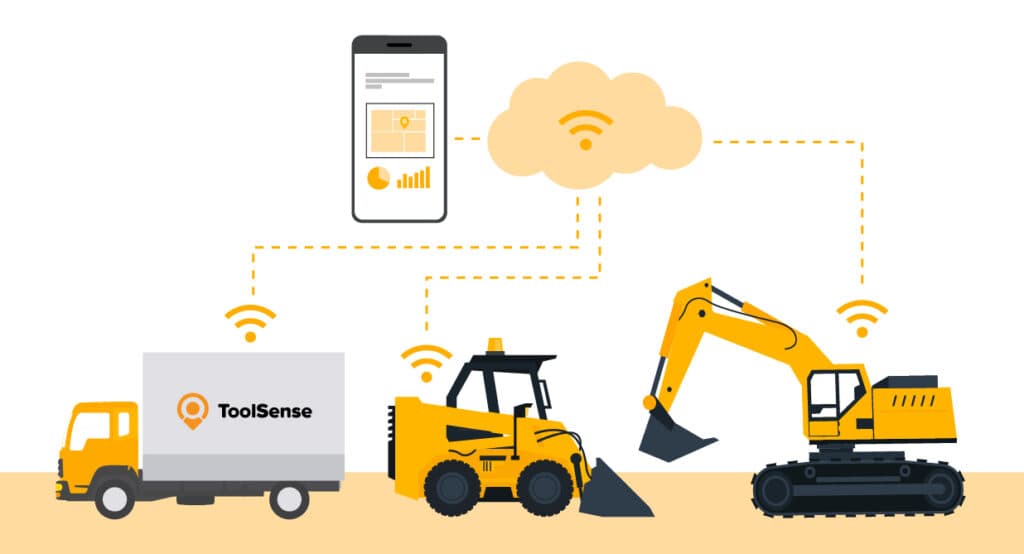
As the industry evolves, IoT adoption looks set to climb. The trends worth watching include tighter integration with smart cities and infrastructure, and closer pairing with artificial intelligence and machine learning.
Advances like these can change how firms manage equipment, automate routine tasks, and build digital skills across their teams. With continued investment, the sector has real, practical room to improve efficiency, safety and cost control.
Conclusion: Advancing Construction with IoT
IoT is changing construction in concrete ways — better efficiency, stronger safety, lower costs. It supports precise project management, letting managers track progress and allocate resources with more confidence. Adoption still has hurdles, but the case for the technology is hard to argue with.
The industry's direction is clear. From wearables that protect workers to smart sensors that improve site operations, IoT's reach in construction is wide, and industry leaders increasingly know it.
For the projects ahead, adopting IoT is less a nice-to-have than a foundation. It points toward a smarter, more efficient and more sustainable sector, and toward companies that lead on technology rather than chase it.
FAQ
What is IoT technology in construction?
IoT technology in construction is the use of Internet of Things and modern-day internet software to maximize the efficacy of a project, such as real-time monitoring of construction sites and equipment to enable predictive maintenance and reduce downtime.
What are the IoT solutions for construction?
IoT solutions in construction are increasingly being used for monitoring via sensors, which help to identify potential issues before they become major problems. This ensures a higher level of efficiency and safety on the job site.
What is the future of IoT in construction industry?
IoT is proving to be an invaluable asset for the construction industry, with its potential to increase connectivity, facilitate machine-to-machine communication, collect data from sensors, and enable data analytics. The future of IoT in the construction industry looks extremely bright.
How is IoT used in construction?
IoT is used in construction by incorporating concrete sensors which enable construction teams to remotely monitor the curing process or check for any potential repair needs. This helps ensure that a structure is built with the necessary strength and stability.