Maintenance
Productivity and efficiency drive a successful business, and tightening them in daily workflows feeds directly into higher revenue and stronger margins. Getting there means knowing and monitoring the factors that pull against you, downtime and idle time chief among them. This article defines idleness, sets it apart from the factors people confuse it with, walks through the common causes, and shows how easily you can track idle time and cut it with an asset management software like ToolSense.
Key Takeaways
- Idle time is defined as the time spent waiting during which a machine is either not scheduled to run or waiting to run.
- The difference to downtime is that, during idle time, the machine is available and functional, whereas, during downtime, it is either unavailable or not functioning.
- Idle time is an important metric when it comes to determining a company’s productivity.
- With ToolSense’s asset management solution, you can easily track and reduce idleness within your company.
What Is Idle Time?
Idle is just another word for inactive or unoccupied. The most common definition describes the time a machine or piece of equipment spends waiting while it is not productive, because it is either waiting to run or not scheduled to run. The machine is functional and available the whole time; it simply sits unused until it is needed or production resumes. Think of a restaurant’s coffee machine after closing, ready to brew the moment doors open in the morning, or a landscaping crew’s lawnmower parked while the same worker trims hedges with a different tool.
Normal Idle Time
Some idleness is normal and baked into the production process. Employees take breaks during an eight-hour shift, preventive maintenance tasks get done, machines are assembled and disassembled. None of that is a failure of management; it is simply how production runs.
Abnormal Idle Time
Abnormal idleness is the opposite: avoidable, and controllable through better management. An unnecessary machine stop, time lost waiting on another machine to finish its run, or a shortfall of raw materials all fall here.
What Is Downtime?
Downtime is the time a machine spends waiting while it is unavailable or out of action. When downtime hits, the production process stops.
Idle Time vs. Downtime: What Is the Difference?
The two terms sound interchangeable, but the distinction matters when you are measuring productivity. An idle machine is working; it is just not scheduled to run, or it is waiting its turn. A machine in downtime is not working at all, whether because of planned maintenance or an unplanned outage.
What Are the Causes of Idle Time?
Poor Onboarding Processes
Onboarding has a large bearing on how productive a company is. Rush it, leave it disorganised, or skip it altogether, and a new hire will spend far too long getting comfortable enough with the work environment to be useful. The lost hours are idle time, plain and simple, and a tighter onboarding workflow removes most of them.
Administrative Failures
Administrative missteps and weak planning are among the biggest sources of unproductive time. Human resources is the obvious case: hire ahead of an expected surge in demand, watch that demand fall short, and the overstaffing turns straight into idle time. These causes sit almost entirely within management’s reach and disappear with proper planning.
Faulty Equipment
Equipment that fails through lack of maintenance or misuse drags productivity down with it. When a machine breaks and has to be repaired, production usually halts, and the idle hours ripple out to other parts of the assembly line. Preventive maintenance is how maintenance teams keep those hours off the books.
Problems in the Manufacturing Process
Power outages, missing or delayed instructions, supply-chain hiccups like a late shipment of raw materials, any of these can stop production and create idleness. Some are self-inflicted. Flawed communication lines, for instance, respond well to better planning. Others, power outages among them, sit outside your control and can’t always be avoided.
Unexpected Personal Events
Idle time isn’t only a machine or supply-chain problem; people cause it too. An unforeseen absence is a familiar source of non-productive hours on the floor. So is emotional or physical strain, which quietly erodes how much someone gets done. Protecting the physical and mental health of employees is one of the more direct ways to lift productivity and trim idle hours.
Unforeseen Changes in Market Dynamics
Markets shift, sometimes sharply and without warning, and the production line feels it as disruption and idle time. Strikes, economic shocks like the COVID-19 pandemic, a new competitor, or ordinary cyclical swings in demand all qualify. You don’t fully control any of them, but you can blunt the unproductive hours by building flexibility and reacting fast.
Natural Disasters
Manufacturing isn’t the only sector that loses hours this way. Mining and logistics, both dependent on the weather, regularly stall when conditions turn. A storm sets off a chain reaction, where idleness in one stage slows or stops everything downstream. Unlike most causes on this list, natural disasters can’t be prevented at all.
Examples of Idle Time in Production
Manufacturing
A manufacturing floor offers no shortage of idle hours, most of them tracing back to the supply chain or to poor planning. Waiting on a delivery of raw materials counts as idle, as does an unexpected absence from illness or a strike. So does machine downtime, and so does planned preventive maintenance.
Fleets and Vehicles
Human factors apply here as well, a driver shortage from illness or strikes being the obvious one. Extreme weather adds another layer, making it harder, sometimes impossible, for fleets and vehicles to keep to schedule. Delays and idle hours follow. Planned maintenance and inspections are common culprits too.
Construction Site
Many sites are at the mercy of the weather. Heavy rain, storms, or extreme heat can shut down outdoor work and rack up idle hours in a hurry. Human factors like strikes and unexpected personal events weigh on productivity as well, as do maintenance tasks, planned and unplanned alike.
How to Calculate Idle Time
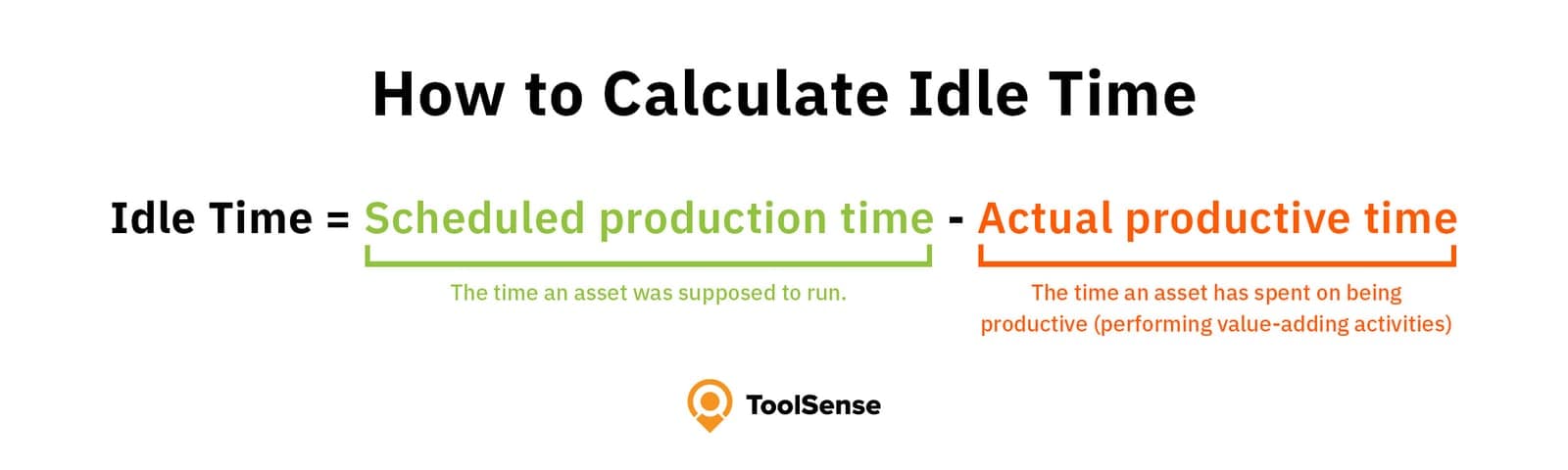
Defining idleness is half the job; the other half is measuring it. The calculation is straightforward: subtract actual production time from planned or scheduled production time. The equation looks like this:
7 Tips to Reduce Idle Time
1. Define What Constitutes Idle
Before you can reduce idle hours, you have to answer one question: what counts as idle in your company? It looks a little different in every industry. Waiting on the weather, machines sitting ready for their next job, employees on the clock but not working, these can all be idle time, depending on the operation.
2. Train Employees
Training people for the work they actually do is the first lever to pull. A new hire left without proper training needs far longer to settle into daily tasks and find their footing in the company than one who is trained well. Good training heads off idleness before it ever becomes a problem.

3. Streamline Communication
Communication is where a lot of productivity leaks away. Across a workday, people sit in meetings, take calls, walk over to a colleague’s desk for a quick word, and write long emails. ToolSense offers a simpler alternative for both internal and external communication. Its integrated work order management feature lets employees assign and reply to work orders in a few clicks.
4. Maintain Assets
Asset maintenance belongs in every facility management workflow. Inspecting machines, repairing them, and swapping spare parts all generate idle time, which the right maintenance schedule and maintenance management software keep to a minimum. ToolSense lets businesses monitor their assets, receive scheduled reminders for maintenance, and set sensible intervals between tasks.
5. Optimise Workflows
Inefficient workflows, vague instructions, and fuzzy responsibilities slow production and breed idle time. ToolSense tackles all three through its integrated work order management and the ability to create custom checklists. Both bring clarity to everyday processes, and that clarity cuts idle hours.
6. Use Preventive Maintenance Programs
Running preventive maintenance on a regular schedule extends asset lifespan and keeps machines in better shape. Fewer surprise breakdowns means less downtime and, in turn, less idle time across the line. ToolSense’s asset management solution keeps every upcoming task in view and lets you set scheduled reminders for recurring jobs and inspections.
If you want to learn more about how to create a preventive maintenance program, read our article “How to Create a Preventive Maintenance Program in 8 Steps”.
7. Monitor and Track Idle Time
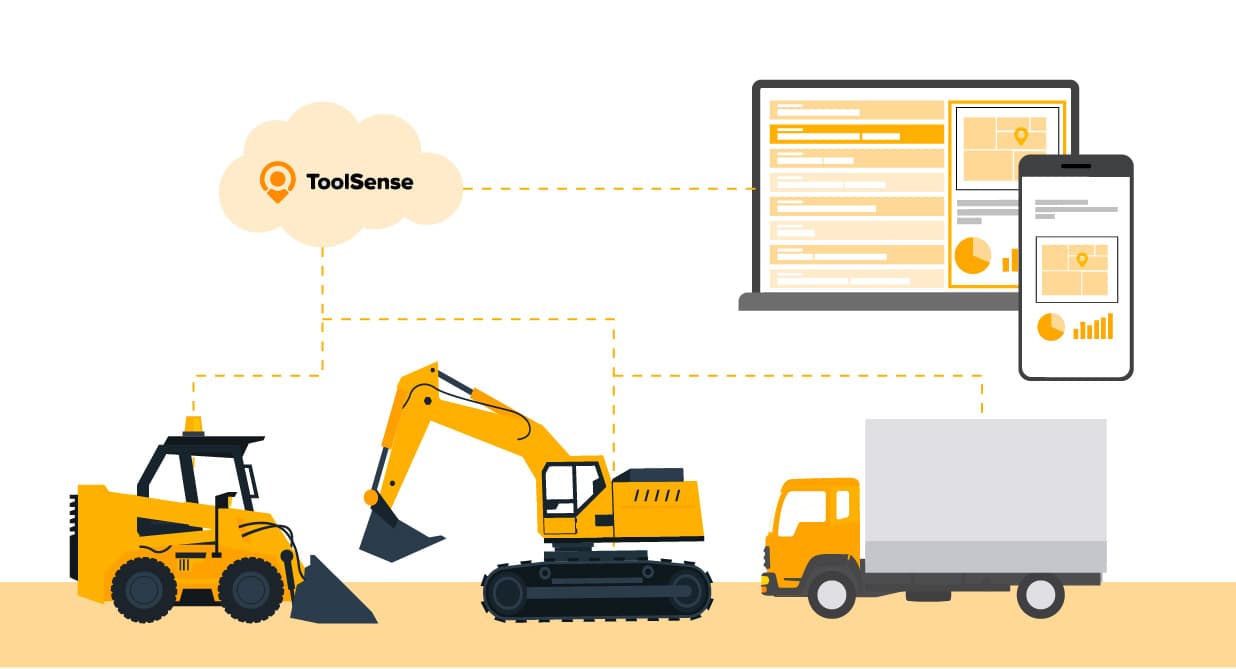
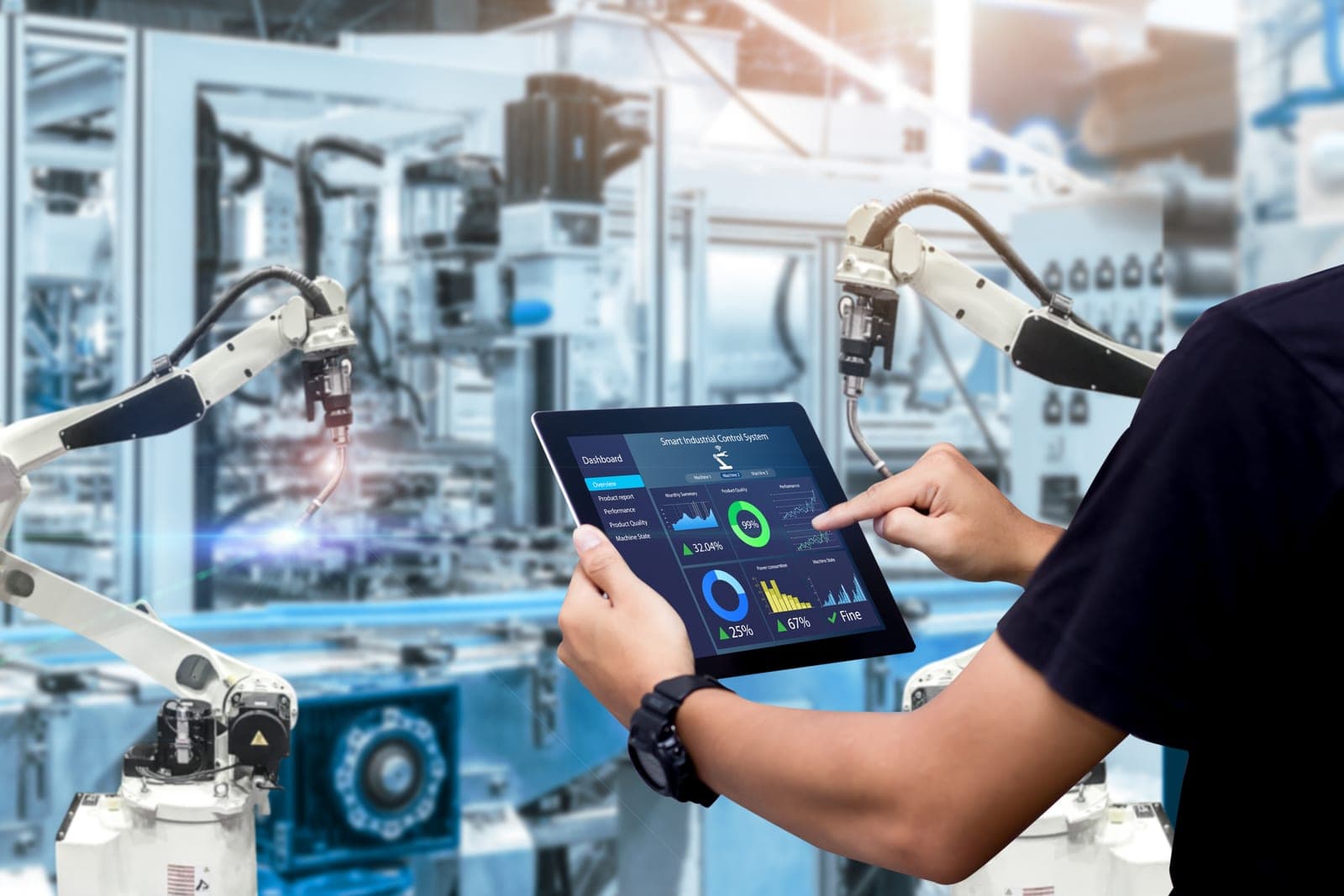
You can only reduce idle time once you know exactly when and where it happens. ToolSense tracks those hours reliably, either through modern sensors and trackers wired directly to your assets or through its QR code solution. Every machine gets its own QR code that employees scan with a smartphone or tablet to log use, report downtime, request repairs, and more. The data lands in the asset’s unique lifecycle folder and surfaces in useful analytics, giving you a clearer picture of each machine and a basis for the changes that cut idleness.
Conclusion
Idle time is one of the levers that move your company’s productivity and profitability. If you want to bring down both idle time and downtime, stretch your assets’ lifespans through better maintenance, and tighten communication along the way, ToolSense is built for the job. The asset management software keeps track of every machine and piece of equipment, gathers the data and metrics that matter, and handles inventory, inspections, and work orders. Its analytics features turn that data into a real understanding of your assets, which is what lets you put equipment to its best use and keep the workflow efficient and productive.
FAQ
What is idle time?
When an asset is waiting to run or not scheduled to run, the time spent waiting is called idle time. During this period, the asset is functioning and available for use.
What is downtime?
Downtime refers to the period when an asset is not functional or unavailable for use, usually due to unexpected repairs or breakdowns.
Why is idle time important?
It is crucial for businesses to comprehend and monitor idle time as it can aid in optimising their asset utilisation by enhancing their workflows, management procedures, and maintenance management.
How long is the idle time?
To calculate idle time, simply subtract the scheduled production time from the actual production time.
What are 3 examples of idle time?
Simple examples include employee breaks, a halt in production due to extreme weather, or routine preventive maintenance tasks.
What are the two types of idle time?
Normal idle time is a natural aspect of the production process, including employees taking breaks. However, abnormal idle time can be minimised through effective management techniques. It is important to distinguish between the two types of idle time.