Fleet Management
Running a fleet of vehicles and machines is a constant balancing act: keep the equipment maintained, keep drivers safe, and keep costs from creeping up. Do all three at once across dozens of assets and a spreadsheet stops being enough. That is the gap a fleet management system fills. Below we compare the top 8 fleet management software solutions so you can see where each one fits and which makes sense for your operation.
Our Top Picks
- ToolSense The best all-in-one solution
- Samsara Logo Automated fleet data management and driver behavior monitoring
- Avrios Logo Real-time vehicle tracking
Comparison of the Top 8: Best Fleet Management Software Companies
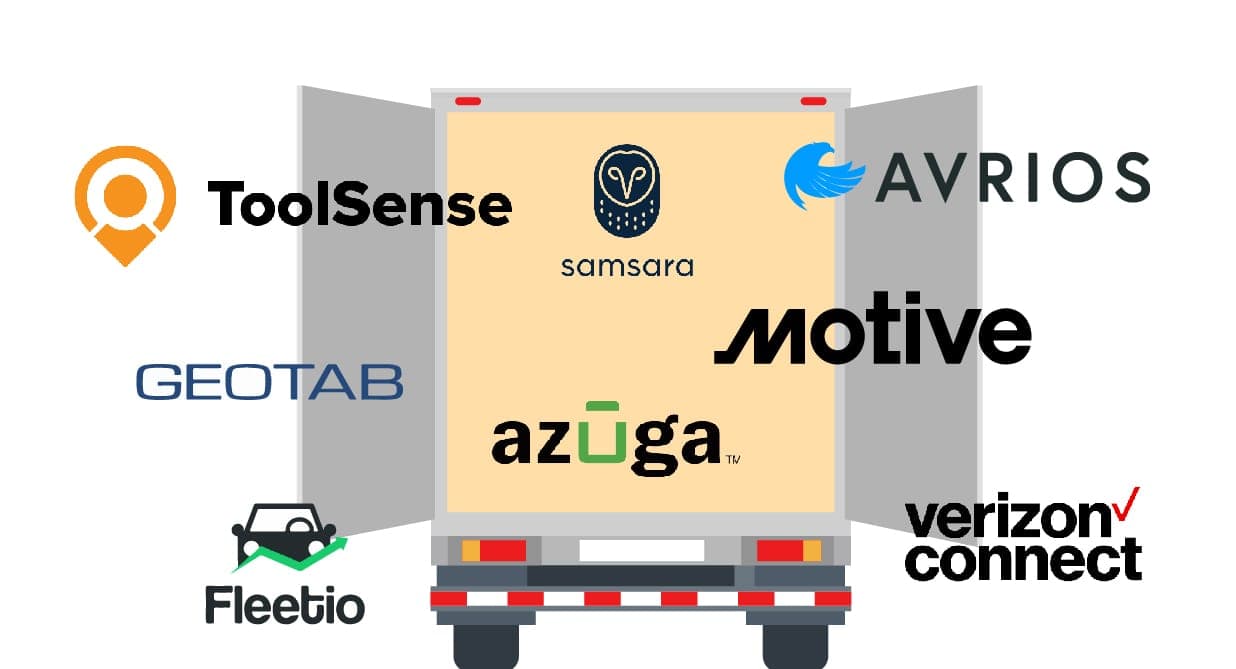
The comparison covers eight companies, each with a different strength worth weighing against your own requirements. Some lean into safety and compliance, others into cost analysis or telematics, but all aim at the same outcomes: a more efficient fleet, lower costs, safer drivers, and fewer manual steps. Here are the solutions we look at:
- ToolSense
- Samsara
- Avrios
- GeoTab
- Fleetio
- Motive
- Azuga
- Verizon Connect
#1: ToolSense
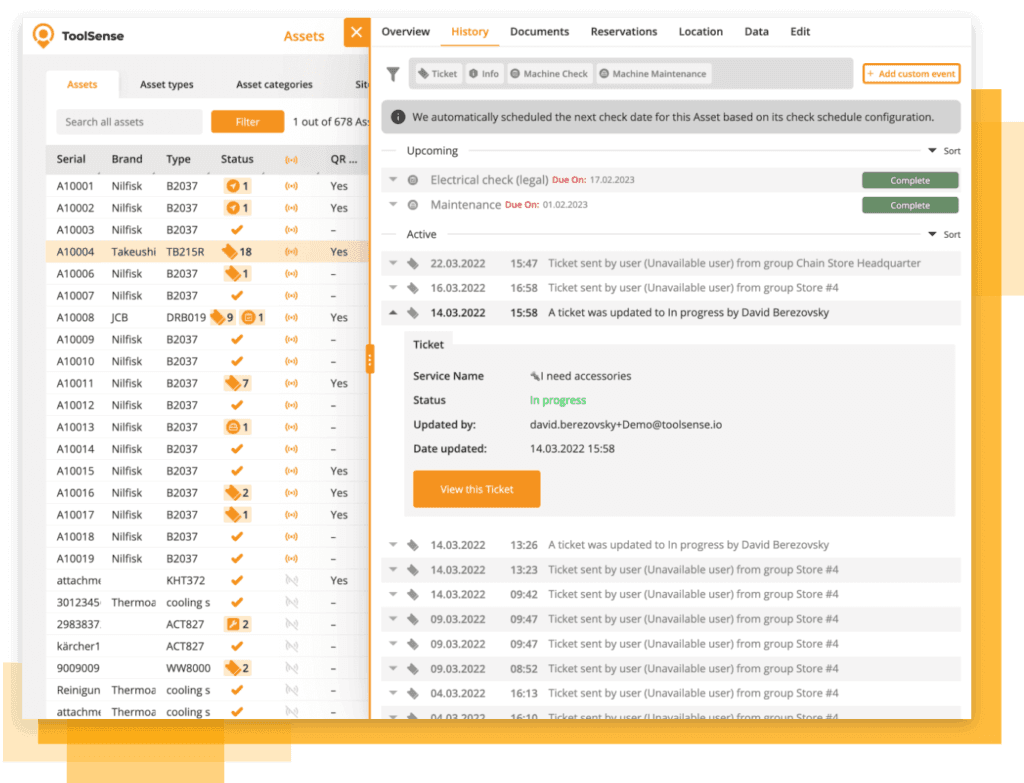
ToolSense is an asset operations platform built to cut costs and tighten control over a fleet. Rather than bolt on a single capability, it pulls fleet operations into one place — tracking, automation, and the data you need to make decisions without guessing. What sets it apart is how cleanly it slots into the systems you already run, paired with deep tool management, an interface people pick up quickly, and real-time tracking and analytics for tools and equipment.
Key features of ToolSense include:
- Real-Time Vehicle Tracking
- Vehicle Health Monitoring
- Route & Trip Reporting
- Geo Zone Alerts
- Event Detection
- Analytics & Reporting
- Custom Forms & Checklists
- SSO, Integrations & Languages
- ToolSense IoT Hardware for Fleet Management
Pros:
- Comprehensive asset management features
- Extensive real-time tracking and analytics
- Easy integration with existing systems
- Intuitive interface
- Real-time data insights and analytics for informed decision-making
- Desktop and Mobile Compatibility
- Seamless Integration with Existing Systems
- Data Security and Compliance
- User-friendly Interface for Easy Navigation
- Available in 100+ languages
Cons:
- While the software is highly customizable, it may be overwhelming for users who prefer a more straightforward, out-of-the-box solution.
Pricing
ToolSense offers a free 30-day trial and a free demo tour as well. The exact monthly
pricing is tailored to the unique needs of each client and is available upon request
.
Overall Rating
- Ease of Use: 4.5
- Features: 4.5
- Customer Support: 5
- Security: 5
#2: Samsara
Samsara is a fleet operations platform aimed at transportation, logistics, and construction. Its feature set spans GPS fleet tracking, driver behavior monitoring, ELD compliance, routing and dispatch, document management, reporting, and alerts. The pitch is straightforward: keep close tabs on where vehicles are and how drivers behave, and stay on the right side of ELD and FMCSA regulations.
Key Features of Samsara:
- GPS Fleet Tracking
- Driver Behavior Monitoring
- ELD Compliance
- Routing and Dispatch
- Document Management
- Reporting and Alerts
Pros:
- Real-time vehicle tracking
- Monitoring of driver behavior
- Potential for cost reduction in vehicle maintenance and fuel consumption
- Improved dispatch and routing
- Increased visibility into fleet operations
Cons:
- Platform slightly complex to navigate.
- Occasional software glitches reported by some users.
- Challenging to extract specific reports.
Pricing
Samsara doesn't publish pricing; you'll need to request a customized quote. A free demo is available so you can explore the platform before committing.
Overall Rating
- Ease of Use: 4
- Features: 4.5
- Customer Support: 4
- Security: 4
#3: Avrios
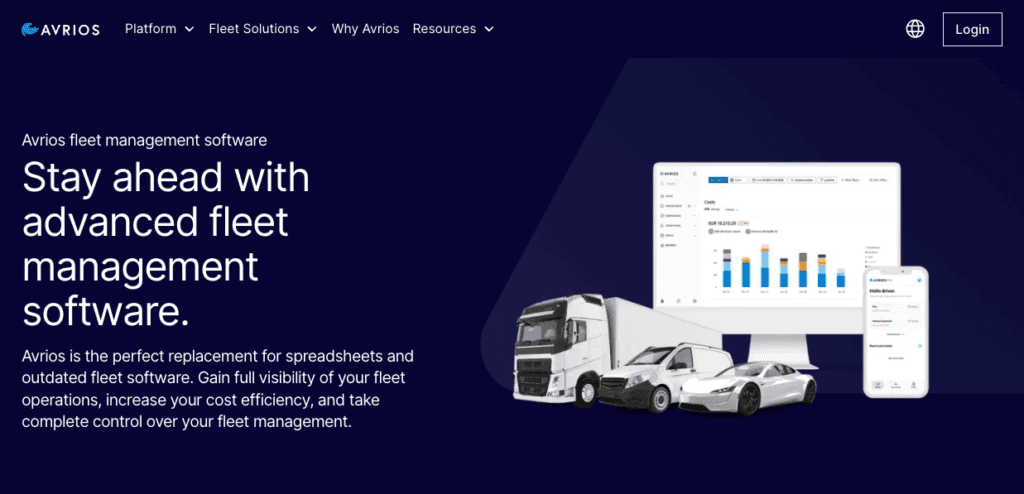
Avrios is a web-based fleet management system focused on automating the routine work. At its core sit fleet data management, processes and workflows, damage management, compliance, and reporting. The platform handles mileage balancing and tracking, Total Cost of Ownership (TCO) calculations, fuel tracking, lease condition comparison, invoice verification, and appointment reminders — the kind of admin that otherwise eats a manager's week.
Key Features of Avrios:
- Fleet Data Management
- Processes and Workflows
- Damage Management
- Compliance
- Insights and Reporting
Pros:
- Centralized platform for managing fleet information
- Automation of various fleet-related tasks
- Comprehensive cost analysis and potential savings visualization
Cons:
- Limited customization options
- Initial setup can be challenging
- Extensive pricing can be a concern for smaller businesses
- Some users report difficulty with data import
- Occasional delays with customer support responses
Pricing
Avrios offers a range of plans plus a free demo to get a feel for the software. For exact figures, check their website or contact Avrios directly.
Overall Rating
- Ease of Use: 4
- Features: 4
- Customer Support: 4
- Security: 4
#4: GeoTab
GeoTab builds fleet management solutions around productivity, safety, and sustainability. The product line is broad — vehicle telematics, video-based safety, and integration tools — and the platform's strength is data: pull it from almost any source, then surface insights and recommendations to sharpen fleet performance.
Key Features of GeoTab:
- Vehicle Telematics
- Video-based safety solutions
- Advanced telematics solutions
- Sustainability through efficient fleet management.
- Compliance Management
If you want to find out more about Geotab competitors in specific, you’ll find all the answers in our blog-article.
Pros:
- Comprehensive suite of products and services
- AI-driven platform for data analysis
- Trusted by thousands of companies worldwide
Cons:
- Not suitable for small businesses with limited budgets
- Learning curve can be steep for non-tech savvy users
- Some users report occasional delays in data updates
- Limited customization options for certain features
Pricing
- GeoTab's pricing isn't listed online, but you can request a customized quote. A free demo lets you explore the features and functionality before deciding.
Overall Rating
- Ease of Use: 4
- Features: 5
- Customer Support: 4
- Security: 4
#5: Fleetio
Fleetio is a cloud-based platform built around maintenance and asset lifecycles, with collaboration baked in so a team can manage operations from anywhere. The headline features are automated maintenance, centralized fleet data, third-party integrations, and data-science-backed insights. It isn't flawless — some users point to limited customization and the occasional glitch.
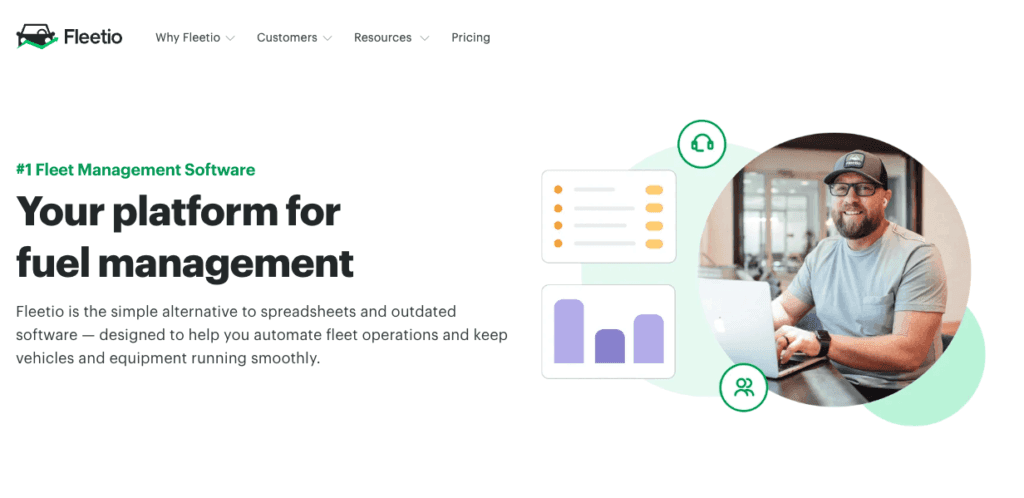
Key Features:
- Maintenance Management
- Fuel Management
- Vehicle Inspections
- Parts Management
- Vehicle Assignments
- Recalls Management
- Vendor Management
Pros:
- Centralizes all fleet data
- Integrates with transportation management systems, payroll, and geographic information systems
- Provides data-driven insights for better decision-making
Cons:
- Limited customization options for certain features
- Occasional technical issues reported by users
- Some users have found the mobile app interface to be less intuitive
Pricing
Fleetio comes with a free 14-day trial. After that, pricing starts at $5 per vehicle per month, with several plans to match different business needs.
Overall Rating
- Ease of Use: 4.5
- Features: 4
- Customer Support: 4
- Security: 4
#6: Motive
Motive is an AI-powered fleet operations platform built to automate routine work and lift safety, productivity, and profitability. It gives you a clear read on where your fleet is, how it's being used, and the state of its health. Industries it suits well include trucking and logistics, construction, and oil and gas.
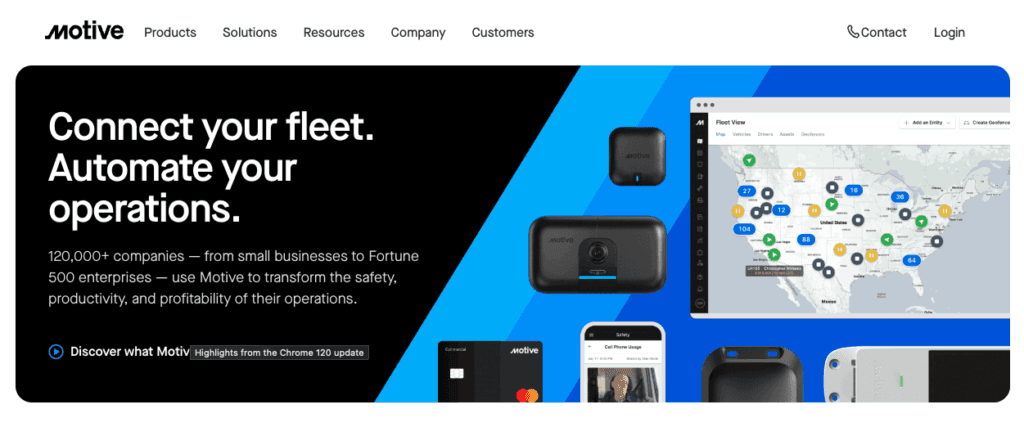
Key Features of Motive:
- AI Dashcam
- ELD Compliance
- GPS Fleet Tracking
- Equipment Monitoring
Pros:
- AI-powered platform that automates fleet operations
- Comprehensive fleet management features
- Suitable for various industries
- Real-time visibility into fleet location and utilization
- Health monitoring of fleet equipment
Cons:
- Some users have reported issues with the responsiveness of Motive’s customer support.
Pricing
Motive keeps its pricing off the website, so plan on requesting a customized quote. A free demo is available to walk through the platform first.
Overall Rating
- Ease of Use: 4
- Features: 4
- Customer Support: 3
- Security: 4
#7: Azuga
Azuga is a fleet management solution geared toward safer driving. It's best known for customizable GPS tracking that pinpoints drivers and vehicles in real time, and for monitoring behaviors like speeding and harsh driving. Beyond safety, it targets the usual cost levers too: lower maintenance and fuel spend, better dispatch and routing, and more visibility across the fleet.
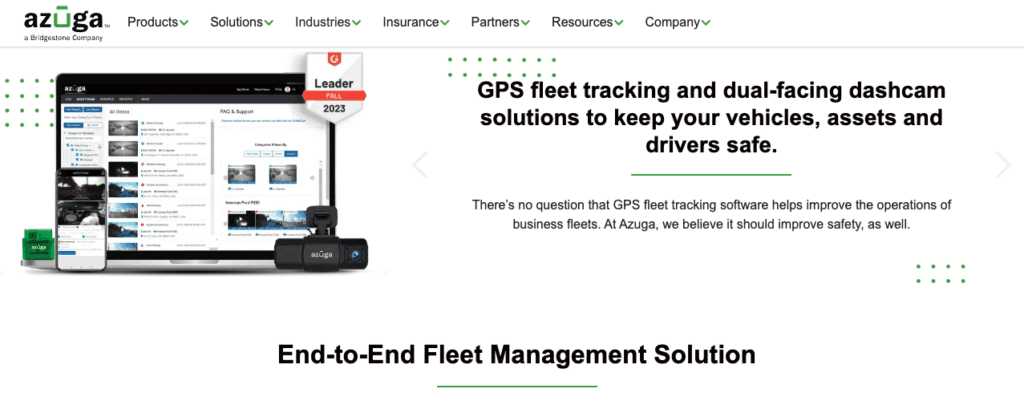
Key Features of Azuga:
- GPS Fleet Tracking
- Driver Behavior Monitoring
- Maintenance Management
- Fuel Management
- Dispatch and Routing
- Reporting and Alerts
- Safety Management
- Asset Tracking
- Mobile App
Pros:
- Real-time vehicle tracking
- Driver behavior monitoring
- Potential for cost reduction in vehicle maintenance and fuel consumption
- Improved dispatch and routing
- Increased visibility into fleet operations
Cons:
- Some users have reported issues with the mobile app, such as occasional crashes and delays in data updates
- The interface can be complex for non-tech savvy users
Pricing
Azuga doesn't post pricing online; contact the company for a customized quote. A free demo is on offer so you can see whether the platform fits your needs.
Overall Rating
- Ease of Use: 4
- Features: 4.5
- Customer Support: 4
- Security: 4.5
#8: Verizon Connect
Verizon Connect is a well-established fleet management platform with the full toolkit: customizable GPS tracking for real-time location, driver behavior monitoring, and features that chip away at maintenance and fuel costs. It plays best at enterprise scale, which also means it's often more than a small business on a tight budget needs.
Key Features of Verizon Connect:
- Real-time vehicle tracking
- Driver behavior monitoring
- Cost reduction for vehicle maintenance and fuel consumption
- Improved dispatch and routing
- Increased visibility into fleet operations
- Field vehicle tracking
- Fleet operation improvement
- Worker productivity enhancement
- Safe driving promotion
Pros:
- Advanced fleet management software solutions
- Customizable GPS tracking solutions
- Real-time location tracking of drivers and vehicles
Cons:
- Not suitable for small businesses with limited budgets
- Some users have reported difficulties with the initial setup and learning curve
- Occasional issues with the software’s reporting feature
Pricing
Verizon Connect doesn't share pricing on its website, so reach out for a customized quote. A free demo lets you test the platform against your requirements first.
Overall Rating
- Ease of Use: 4
- Features: 4.5
- Customer Support: 4
- Security: 4
What Is Fleet Management Software?
Fleet management software is a system for getting more out of a company's commercial vehicles — better productivity, lower costs, safer driving, and customers who get what they were promised. Most teams use it to keep tabs on cars, vans, and trucks, but it works just as well for equipment like forklifts, golf carts, and construction vehicles.
The value comes from automation. Vehicle tracking, maintenance scheduling, route optimization, and driver performance monitoring all run through one system, which frees managers to act on results instead of compiling them. Many setups also tie in a computerized maintenance management system to take the friction out of repairs.
Key Features of Fleet Management Software
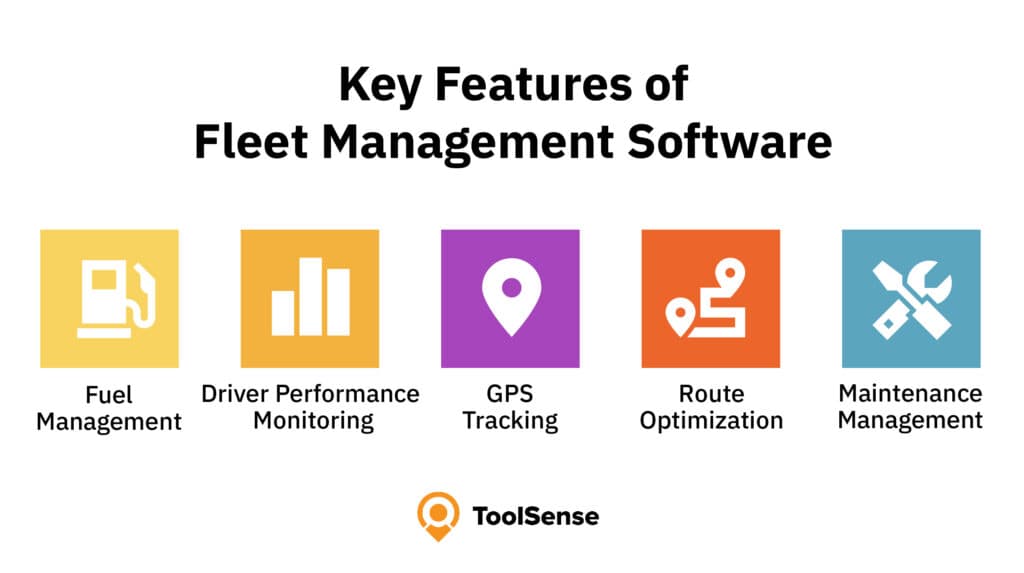
Picking the right platform comes down to which features actually move the needle for your fleet. The core capabilities to look for:
- GPS vehicle tracking
- Driver performance monitoring
- Route optimization
- Maintenance management
- Fuel management
Integration matters just as much. A platform that connects to your CRM, inventory management, and payroll systems keeps data flowing between tools instead of trapping it in silos — which is what makes data-driven decisions possible in the first place.
A capable platform should also bring:
- Customization and scalability that keep pace as your business and fleet grow
- The flexibility to handle fleets of any size
- Features you can tailor to your industry's specific requirements
Benefits of Fleet Management Software
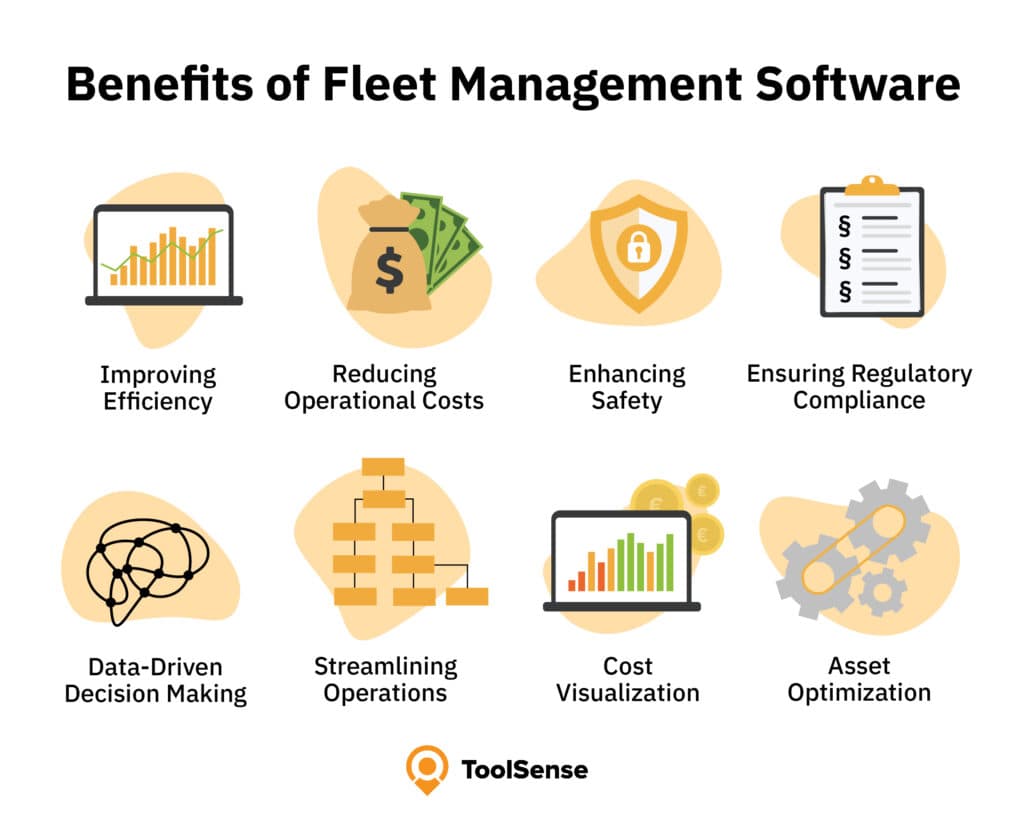
For any business that runs on vehicles, the payoff shows up in several places at once. A closer look at the main ones:
- Improving efficiency: Automating fleet operations lifts overall efficiency. Optimized routes, scheduled maintenance, and driver-performance monitoring add up to smoother days and more work done.
- Reducing operational costs: This is often the headline benefit. The software surfaces wasted fuel, avoidable wear, and excess idle time — fix those and operating costs come down.
- Enhancing safety: Driver behavior monitoring and vehicle tracking flag risky habits early, which helps prevent accidents and protects both drivers and vehicles.
- Ensuring regulatory compliance: Compliance is a big part of fleet work. The software helps you stay within the rules and steer clear of fines and legal trouble.
- Data-driven decision making: With real-time data and analytics at hand, you can make calls about your fleet based on what's actually happening rather than hunches.
- Streamlining operations: From route planning to maintenance scheduling, the software tightens up day-to-day processes and gives back time.
- Cost visualization: Many platforms include cost analysis that makes potential savings visible, so financial decisions rest on numbers.
- Asset optimization: By tracking how each vehicle is used and how it performs, the software helps ensure nothing in the fleet sits idle or runs into the ground.
Add it up and the right tool earns its keep: smoother operations, lower costs, more output. For any business that depends on a fleet, it's one of the more dependable investments you can make.
How To Choose the Best Fleet Management Software
The right choice depends on matching a few factors to how your business actually runs.
Start with the size of your fleet and the features that matter most — GPS tracking, driver performance monitoring, route optimization, maintenance management, and fuel management.
Then look at integrations. Can it talk to your CRM, inventory management, and payroll systems? That connection keeps data moving between tools and is what turns scattered records into decisions you can act on.
Pricing is the last piece. Most fleet maintenance tools charge per vehicle, which works in favor of smaller companies that want something that scales as they grow — an easier fit than a flat, single-price plan. Weigh these three together and the best option for your operation usually becomes clear.
Conclusion: Finding Your Ideal Fleet Maintenance Software
The software you choose has a direct line to how well your fleet runs, what it costs, and how safe it is. Use the eight tools compared here as a starting shortlist, then test them against the specifics of your operation.
It comes back to one thing: knowing your own requirements and picking a platform that meets them while leaving room to scale and connect with the rest of your stack. Get that match right and you gain real control over the fleet — and a steadier footing in a competitive market.
If you are invested in a more specific in-depth-comparison on EV fleet management software, you may take a look at our comparison article “Top EV Fleet Management Software for Optimizing Your Fleet”.
The software solutions presented in this article, and their ranking, reflect our editorial assessment and customer context from ToolSense resources. Fleet requirements vary widely, so buyers should compare shortlisted tools against their vehicle types, compliance needs, integrations and operating model.
FAQ
What Is Fleet Management?
Fleet management refers to the administration, scheduling, controlling, and tracking of vehicles that operate together under a company's ownership. Originally describing naval vessels, the term now applies to cars, trucks, airplanes, and other transportation assets.
What Is Fleet Management Software?
Enterprise fleet management software, like ToolSense, gathers all important information in one place where it’s easily accessible and grants a convenient overview of all numbers and dates.
How Many Vehicles Do I Need to Have Before Considering FMS?
There is no definite number of vehicles or assets that decides when a fleet management software becomes a necessity. Whenever a company operates multiple vehicles and is afraid to lose track of important dates or numbers, fleet tracking is the right and economic choice to stay ahead and save time and money in the long run.
What Are the Costs for Fleet Management Software?
Fleet management software costs differ depending on a company’s needs. ToolSense offers three different packages – Basic, Essential and Enterprise – to accommodate businesses of all kinds.
Why Do I Need Fleet Management Software?
A fleet management solution can help a company save time and money by reducing downtime and collecting all important numbers in a single system. By keeping track of GPS locations, audit dates, scheduled repairs, and by granting an overview of all important dates and numbers, companies are better able to make well-informed decisions surrounding their fleet.
What Does a Fleet Management System Do?
A fleet management system has many practical applications. It helps keep track of vehicle locations, audit dates, costs, and stores helpful files or images related to the vehicle or machine. A software like ToolSense also offers a ticket system with which employees can request repairs and spare parts or report downtime.
What are the essential features to look for in fleet management software?
When selecting fleet management software, look for features such as GPS tracking, driver performance monitoring, route optimization, maintenance management, and fuel management for optimal efficiency.
What factors should be considered when choosing fleet management software?
When choosing fleet management software, ensure it meets your specific needs for vehicle count, performance features, documentation, fuel card integration, mobile access, and pricing.
What are the benefits of using fleet management software?
A fleet management information system can help businesses save time and money by optimizing efficiency, reducing fuel costs, increasing safety, and automating maintenance tasks.